Quick Summary
Efficient disposal strategies transform operational overhead into a streamlined asset by reducing landfill reliance and improving site safety. Implementing a structured approach allows companies to recover valuable materials, meet strict compliance standards, and enhance their public image through sustainable practices. By integrating advanced machinery and professional oversight, a business can stabilize long-term costs while contributing to a healthier industrial ecosystem.
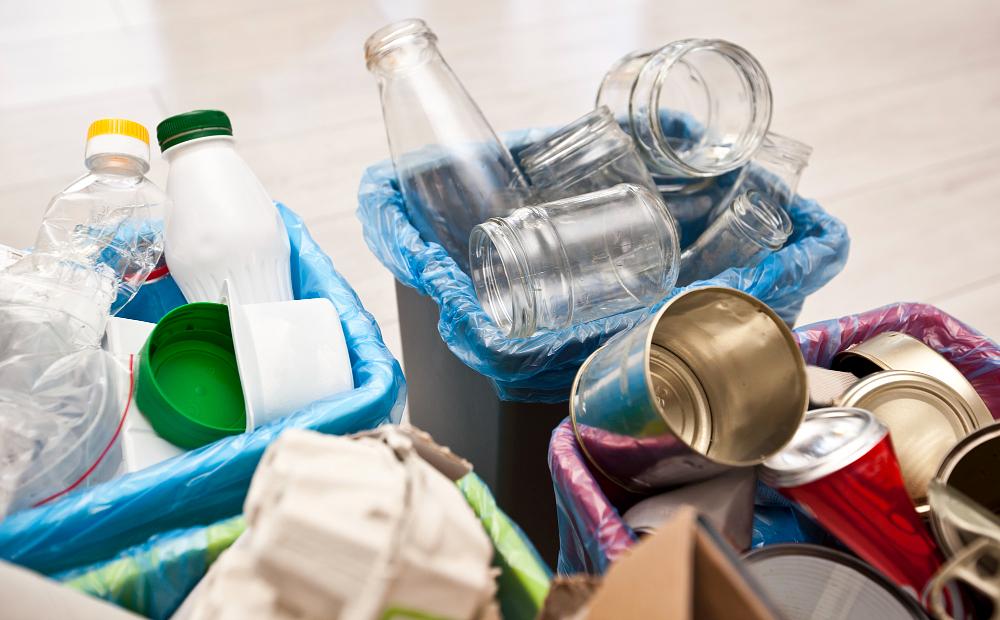
Running a high-volume facility involves managing a constant stream of materials that, if left unorganized, quickly become a logistical nightmare. Every scrap of cardboard, tangled length of plastic wrap, or pile of metal shavings reflects the efficiency of your internal processes.
A well-designed disposal system prevents the accumulation of hazards and can lead to numerous waste management benefits. Transforming how your organization views discarded materials is the first step toward building a resilient, future-proof operation that balances industrial output with environmental responsibility.
US Recycling Equipment brings decades of plant operation experience to help you navigate these complex logistical hurdles. We design and install custom systems that turn your discards into manageable, high-value commodities, allowing us to support your facility with everything from maintenance to heavy-duty installations. Our team focuses on selecting the right tools for your specific volume so your setup operates at peak performance from the very first day.
Primary Advantages of Waste Management
he transition from a basic hauling schedule to a comprehensive recovery program offers measurable improvements across several departments. While the immediate focus is often on removing clutter, the secondary gains in safety, compliance, and cost-predictability are what truly define a successful strategy.
Substantial Long-Term Cost Savings
One of the most immediate benefits of waste management is the reduction in haulage fees and landfill surcharges. When materials are compacted or baled at the source, the volume of pickups required drops significantly.
Instead of paying for a truck to haul away air inside loose bins, you are only transporting dense, processed material. This efficiency directly impacts the bottom line by lowering the frequency of service calls and minimizing the fuel surcharges often passed down by traditional waste haulers. Over time, these incremental savings contribute to a much healthier operational budget, allowing for reinvestment in other areas of the business.
Enhanced Facility Safety and Compliance
A cluttered workspace is a dangerous workspace. Loose debris, overflowing bins, and unmanaged liquid runoff are leading causes of slips, trips, and fires in industrial settings. By implementing a rigorous sorting and processing system, you keep pathways clear and reduce the presence of combustible materials.
This proactive stance protects your workforce and also keeps you in good standing with regulatory bodies. Meeting local and federal disposal standards becomes a seamless part of the workday rather than a stressful event during an inspection. Safety protocols are easier to enforce when the environment is naturally organized by design.
Improved Resource Recovery and Revenue
Many items that businesses pay to throw away actually hold significant market value. Clean cardboard, high-density plastics, and various metals can be sold to mills and processors if they are properly separated and prepared.
Instead of an expense, your discarded material becomes a byproduct that can offset the costs of the equipment used to process it. This shift from a throw-away mentality to a recovery mindset is a hallmark of modern, efficient facility management.
Operational Throughput and Space Optimization
Space is one of the most expensive commodities in any warehouse or manufacturing plant. When large areas are dedicated to holding loose trash, you lose valuable square footage that could be used for inventory or machinery.
Modern baling and shredding systems take up a small footprint but can handle massive volumes of material, freeing up your floor for more productive uses. A streamlined workflow means workers spend less time walking to distant dumpsters and more time on their primary tasks. Eliminating the bottleneck of waste accumulation allows your entire production line to move faster and with fewer interruptions.
Environmental Stewardship and Brand Integrity
Today more than ever before, stakeholders and customers alike are increasingly concerned with the environmental footprint of the companies they support. Source reduction and landfill diversion are core components of brand reputation.
By integrating our professional recycling consulting services, your business can verify its diversion rates and provide transparent reporting to partners. This transparency builds trust and can even lead to new opportunities with clients who prioritize sustainable supply chains. Contributing to a circular economy is a powerful narrative that resonates with the public and employees alike.
Equipment Longevity and Reduced Maintenance
When a facility uses the wrong tools for the job, such as trying to force oversized materials into a small compactor, the resulting wear and tear lead to frequent breakdowns. Choose from our miscellaneous recycling equipment to get the right tools, tailored to the specific density and volume of your output. This will prevent mechanical strain and extends the lifecycle of your machinery.
Strategic Planning for Future Growth
As your business expands, your material volume will naturally increase. A system that works for a small startup will likely fail under the weight of industrial-scale production. Effective management involves planning for this growth by installing modular systems that can be upgraded or reconfigured.
This forward-thinking approach prevents the need for a total system overhaul every few years. By investing in engineering and custom fabrication now, you create a foundation that supports your ambitions for the next decade.
- Schedule regular audits to identify new materials that can be diverted from the trash.
- Train staff on the proper operation of balers and compactors to ensure density and safety.
- Keep a detailed log of material weights to track your progress toward sustainability goals.
- Review your hauling contracts annually to ensure they reflect your reduced pickup needs.
- Maintain a clean zone around processing equipment to prevent contamination of recyclables.
Small daily habits, such as flattening cardboard before it enters a baler, lead to much denser bales and better pricing from processors. When every member of the team understands their role in the material flow, the entire facility runs like a well-oiled machine. This cultural shift toward efficiency reduces the invisibility of waste, making it a visible metric of performance that can be tracked and improved upon just like sales or production speed.
Your Partner in Industrial Efficiency
Maximizing the output of your facility requires more than just a dumpster and a hauling contract; it demands a sophisticated approach to material handling and processing. We are ready to provide the expertise and hardware needed to transform your operations.
Whether you are looking to buy, lease, or rent recycling equipment, we offer tailored solutions that fit your budget and your specific material challenges. Let us help you set up your facility the right way, so you can focus on growing your business while we handle the heavy lifting of material recovery.
FAQs
What are the main differences between balers and compactors?
Balers are primarily used for recyclable materials like cardboard, plastic, or metal, compressing them into dense blocks that are easy to transport and sell to mills. Compactors are typically used for general waste or wet trash, reducing the volume of material to lower hauling frequency.
How does better waste management improve employee morale?
A clean, organized, and safe facility significantly reduces stress and physical strain on workers. When employees have the right tools to handle debris efficiently, they spend less time on frustrating tasks and feel more valued in a professional environment. Sustainability also allows staff to feel proud of where they work, knowing the company is actively protecting the environment.
Is it better to own or lease recycling machinery?
Owning equipment is a great long-term investment for stable operations, but leasing offers more flexibility and often includes maintenance packages that take the burden off your internal team. Leasing can also allow you to upgrade to newer technology as your business grows without a large upfront capital expenditure. We can help you evaluate your volume and financial goals to determine which path makes the most sense for your facility.