


Quick Summary
Properly managing plastic waste requires a strategic approach to compression that maximizes container weights and minimizes logistical friction. By selecting the right machinery and maintaining strict material purity, businesses can transform bulky debris into high-value commodities while meeting environmental standards. Implementing a consistent processing routine ensures long-term equipment reliability and provides a safer, more organized workspace for all employees.
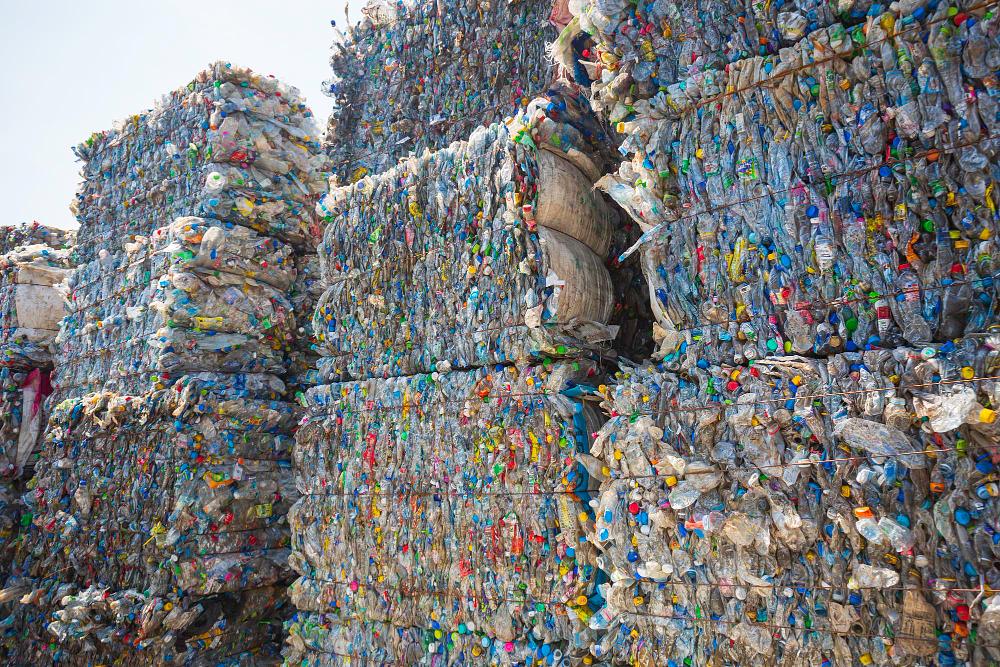
Processing plastics in a high-volume industrial setting requires a departure from traditional disposal habits. Unlike cardboard, polymers possess a unique memory and elasticity that can make them difficult to contain if they are not handled with specialized equipment.
Investing in a professional plastic baler is the most effective way to overcome these physical challenges and turn a chaotic stockpile of film and jugs into organized, revenue-generating units. When your facility masters the art of compression, you eliminate the hidden costs of transporting air and ensure that every square foot of your loading dock is used to its full potential. Building a resilient recovery program starts with understanding the specific mechanics of the material you are trying to tame.
US Recycling Equipment brings decades of expertise to every installation, designing the right systems to handle the specific density and volume of your material flow. We provide custom fabrication and maintenance services to help you stay ahead of production demands, allowing us to support your growth from the first day of installation. Our team is focused on providing the knowledge you can count on for a safer and more profitable workspace.
Methods For Effective Material Compression
Successfully managing industrial synthetics involves more than just throwing debris into a chamber. The transition to a professional plastic baler machine requires a structured approach to prevent contamination and ensure the resulting units meet the strict requirements of mills and processors. Following a clear set of operational procedures will help you stabilize your disposal budget and protect your machinery from unnecessary wear.
Prioritizing Material Purity and Sorting
The market value of processed synthetics depends almost entirely on how well you separate different resin types. Mixing clear stretch film with colored rigid containers reduces the quality of the final product and can lead to rejected loads at the processing plant.
By implementing a rigorous sorting routine at the point of origin, you make sure that your plastic balers produce high-purity material that commands the best possible price.
Managing Elasticity Through Proper Loading
Because many polymers tend to expand after compression, it is important to load the chamber evenly to create a stable, rectangular unit. Overfilling or uneven distribution can lead to broken wires or lopsided loads that are dangerous to stack and transport.
Utilizing heavy-duty balers that are specifically designed for the high-rebound nature of synthetics keeps your blocks tight and secure until they reach their final destination. Consistency in loading leads to higher density and safer facility operations across the board.
Regular Maintenance for Consistent Throughput
High-pressure systems require proactive care to avoid the mechanical strain that leads to costly downtime. Regular inspections of hydraulic seals, wire-tie mechanisms, and structural welds prevent small leaks from turning into major failures that halt your production.
Keeping your machinery in top condition ensures that it stays working at your fingertips and that your talented technicians are not sidelined by preventable repairs.
Elevate Your Facility Efficiency
Mastering the lifecycle of your discarded materials is a vital step toward building a sustainable and profitable business. We are here to provide the engineering expertise and the industrial hardware needed to help you reach your goals with confidence.
Our team offers flexible recycling equipment solutions that are tailored to your specific budget and production volume. Contact us today to learn how our recovery systems can transform your facility into a cleaner and more efficient workspace.
FAQs
What resin types can I process together?
It is generally best to keep different resin codes separate to maintain the highest market value. For example, PET and HDPE should never be mixed, as they have different melting points and are used for different manufacturing processes. Sorting by color or transparency can also increase the purity of your material and the price you receive from mills.
How can I tell if my bale density is high enough?
A high-density unit should be tight, rectangular, and able to withstand stacking without bulging or losing its shape. If your bales are expanding significantly after they leave the machine, you may need to adjust your loading habits or increase the number of wires used to secure the material. We can help you evaluate your current output and suggest equipment adjustments to improve your results.
Is vertical or horizontal compression better for synthetics?
Vertical machines are excellent for smaller facilities with limited floor space, while horizontal systems are designed for high-volume, continuous processing. Horizontal systems often allow for more consistent density and are better suited for operations that need to move massive amounts of material quickly. Choosing the right style depends on your daily volume and the specific space constraints of your loading dock.