
Quick Summary
Addressing common waste management questions helps facility managers streamline their disposal workflows and identify hidden revenue streams within their discarded materials. By understanding the mechanics of high-volume processing and the nuances of equipment selection, organizations can reduce landfill reliance and meet strict compliance standards. Expert guidance simplifies the transition from basic hauling to advanced resource recovery, allowing for better budget predictability and site safety.
Operating a modern industrial facility involves mastering the complex flow of materials that leave your loading dock every day. Many professionals find themselves overwhelmed by the sheer variety of debris generated, wondering how to balance environmental goals with the practical realities of a busy floor.
When you begin asking waste management questions that address these specific logistical hurdles, you can open the door to a more profitable and organized workspace. Understanding the life cycle of your discards in turn allows you to move beyond reactive cleaning and toward a strategic approach that treats every byproduct as a potential asset.
Finding reliable information can be challenging in an industry that is rapidly evolving with new technology and stricter regulations. US Recycling Equipment provides the engineering and plant operation experience necessary to help you navigate these changes without interrupting your daily output. We specialize in custom fabrication and miscellaneous recycling equipment design, allowing us to build a setup that fits the unique physical constraints of your facility while maximizing material density.
Waste Management Questions and Answers
Effective material handling begins with information. Industrial environments produce a wide array of byproducts that require different processing techniques to remain economically viable.
The following waste management questions and answers address the most common inquiries from businesses looking to optimize their recovery rates and reduce landfill reliance.
What Is the Most Effective Way to Separate Recyclables in a Busy Facility?
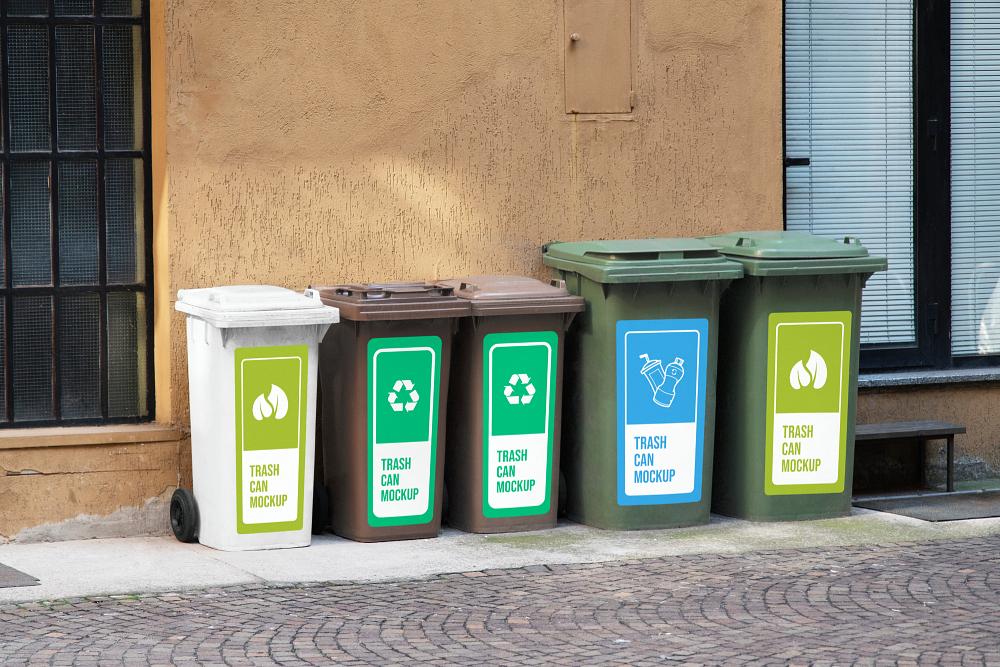
The most successful programs prioritize separation at the source. Placing dedicated collection bins directly where the material is generated prevents contamination and reduces the labor required for secondary sorting.
For high-volume environments, using conveyors to move materials directly into a baler or shredder can streamline this flow further. With this proactive approach, materials like cardboard and plastic remain clean and retain their highest possible market value for processing.
How Do I Determine if My Volume Justifies a Horizontal Baler?
If your team is spending several hours every shift manually loading a vertical baler or if you are producing more than 50 tons of material per month, a horizontal system is likely necessary. Horizontal balers allow for continuous feeding, often via conveyor, which significantly increases throughput and reduces labor costs.
While the initial investment is higher, the density of the resulting bales and the reduction in man-hours often lead to a rapid return on investment. Our professional recycling consulting services can help you perform a volume audit to see if an upgrade is financially sound.
Can Shredding Equipment Help Reduce My Overall Hauling Costs?
Shredding is one of the most effective ways to reduce the volume of bulky materials like wood pallets, plastic containers, or document waste. By breaking these items down into small, uniform pieces, you can pack significantly more weight into a single container.
This reduction in volume means fewer pickups from your hauler and lower fuel surcharges. Additionally, many shredders can be integrated into a larger system that includes air-veyors or compactors to make the entire process automated.
What Are the Safety Risks Associated with High-Pressure Compactors?
Any machinery that uses high hydraulic pressure requires strict adherence to safety protocols to prevent accidents. The primary risks involve improper loading, clearing jams while the machine is powered, or unauthorized personnel operating the controls.
Modern systems include safety interlocks and emergency stop buttons, but these are only effective if combined with regular training for your talented and motivated technicians. Keeping the area around the compactor clear of debris and well-lit is another simple but impactful way to improve site safety.
How Does Source Reduction Benefit My Business Financially?
Source reduction involves changing your manufacturing or packaging processes to use less material from the start. By reducing the toxicity and volume of the materials you bring into your facility, you naturally lower your eventual disposal costs.
This often results in lower procurement costs and reduced labor for handling waste. It is a strategic mining resource for basic production materials because it forces you to look at your input efficiency rather than just your output disposal.
What Kind of Maintenance Is Required for Recycling Equipment?
Maintaining high-performance machinery requires regular lubrication of moving parts, inspection of hydraulic seals, and sharpening of shredder blades. It is also vital to check the structural integrity of welds and the tension on roller chain conveyors.
Proactive maintenance prevents small leaks or dull blades from causing a total system breakdown that could halt your production for days. Utilizing equipment that is built for durability reduces the frequency of these repairs and extends the total lifecycle of your setup.
How Do I Stay in Compliance with Changing Environmental Regulations?
Compliance requires keeping detailed records of your material diversion rates and handling hazardous materials according to federal and state laws. Many jurisdictions are now requiring businesses to report their landfill diversion progress as part of broader sustainability initiatives.
A well-designed system makes this reporting simple by providing consistent bale weights and material logs. Staying ahead of these regulations enhances your reputation as an environmentally responsible organization.
Tips for Optimizing Your Disposal Workflow
Improving your facility efficiency is a continuous process that involves both the right machinery and the right daily habits. Small adjustments can lead to significant gains in safety and material density over time.
- Flatten all cardboard boxes before they enter the baler to ensure the densest possible bale.
- Conduct a quarterly walkthrough of your facility to identify any new types of material that could be recycled.
- Ensure all operators are fully trained on the specific emergency procedures for their assigned machinery.
- Maintain a spare parts kit for common wear items to avoid waiting for shipping during a breakdown.
- Review your hauling invoices monthly to ensure your pickup frequency matches your actual volume.
When these practices are followed consistently, your facility operates with much greater predictability.
Build a More Resilient Facility
Optimizing your disposal processes is an investment in the longevity and profitability of your business. We are here to provide the engineering knowledge and the heavy-duty equipment you need to handle your material challenges with confidence.
Are you looking to buy, lease, or rent recycling equipment? We offer flexible solutions tailored to your specific budget and production goals. Contact us today to learn how our team can help you build a safer, cleaner, and more efficient workspace for years to come.
FAQs
What is the difference between a single stream and a multi-stream system?
A single stream system allows all recyclables to be placed in one bin and sorted later at a specialized facility, which is easier for staff but can lead to higher contamination. A multi-stream system requires staff to separate materials into different bins by type, which takes more effort but produces cleaner, higher-value material that is easier to sell to mills.
How do magnets and eddy currents work in a sorting system?
Magnets are used to pull ferrous metals, like steel and iron, out of the material flow, while eddy currents create a magnetic field that repels non-ferrous metals like aluminum. These tools are essential for automated sorting lines, allowing for the rapid recovery of valuable metals from a mixed stream of waste.
What should I look for in a recycling equipment warranty?
A good warranty should cover both major structural components and hydraulic systems for a significant period. It is also important to consider the availability of local technicians who can perform on-site repairs quickly to minimize your downtime. Our experienced team is eager to provide quality service on every installation to keep your facility running smoothly.