
Quick Summary
Vertical baling technology allows commercial facilities to compact recyclable materials like cardboard and plastic into dense units using a minimal physical footprint. Businesses use it to process debris at the source, significantly reducing the frequency of expensive waste hauling pickups and reclaiming valuable floor space for production. These systems improve site safety by eliminating loose fire hazards and provide a reliable way to track landfill diversion for environmental compliance.
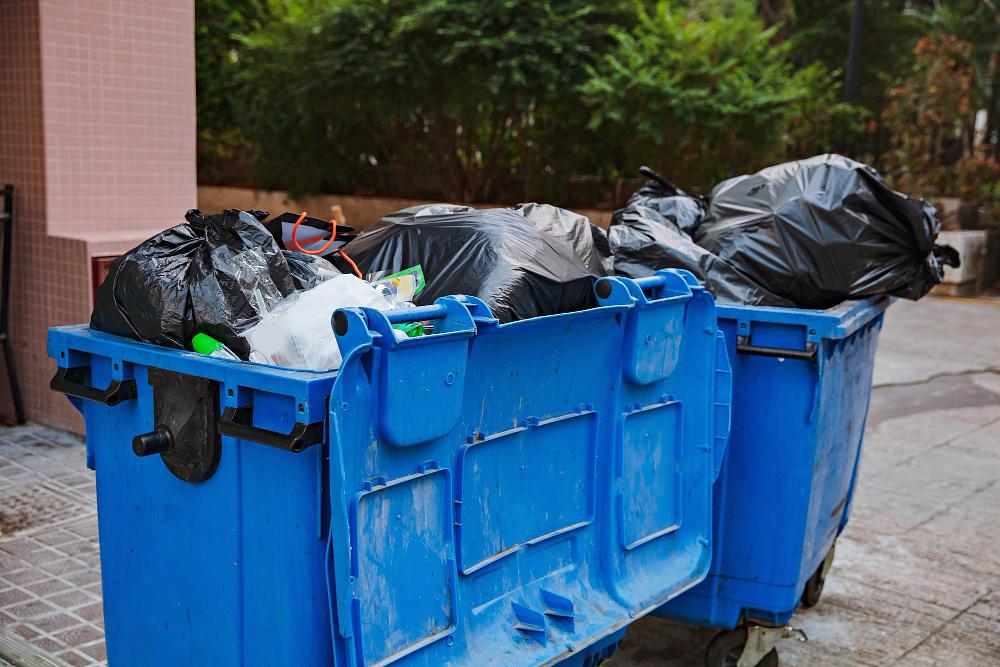
Maintaining a high-volume commercial or industrial facility requires constant attention to the flow of materials moving through your loading docks and storage areas. As production increases, the secondary byproducts can quickly begin to accumulate in corners and hallways.
One of the most effective tools for regaining control over this material influx is the vertical baler. Understanding how it works can help you move from a reactive cleaning schedule to a proactive resource management strategy that treats your discards as a manageable asset.
Building an efficient material recovery program requires a partner who understands the nuances of plant design and equipment selection. US Recycling Equipment brings decades of hands-on experience to every project. We provide custom fabrication and dedicated maintenance services to help you stabilize your long-term costs and improve facility safety.
What Is a Vertical Baler?
A vertical or downstroke baler is a piece of industrial equipment designed to compress recyclable materials into dense, stackable blocks. Unlike larger horizontal systems that require significant floor space and often use automated feeding, these units operate on a vertical axis.
A hydraulic ram moves downward into a chamber to crush the loaded material, which is then manually tied off by an operator. Because they utilize the height of a room rather than its width, they are the preferred choice for grocery stores, retail centers, and smaller manufacturing plants looking to manage their waste balers effectively.
Space Saving Advantages for Busy Floors
One of the most significant reasons businesses choose vertical balers is their incredibly small footprint. In many warehouses, floor space is at a premium and must be reserved for inventory or production equipment.
These machines can be tucked into corners or placed near loading docks without disrupting the flow of forklifts or personnel. By processing materials in a compact area, you eliminate the need for multiple large dumpsters that often consume valuable outdoor or indoor square footage.
Cost Reduction and Revenue Generation
Processing your own material allows you to bypass the high costs of loose trash hauling. Most waste management companies charge based on the number of times they have to empty a bin, and loose cardboard takes up a massive amount of space while weighing very little.
When you use balers to create dense units, you significantly decrease the frequency of pickups. Furthermore, high-density bales of clean cardboard or plastic can often be sold to processors, turning a monthly disposal expense into a recurring source of income for your facility.
Safety and Compliance Improvements
Leaving piles of uncompressed material in a workspace creates significant fire hazards and trip risks. A structured baling program involves processing debris as soon as it is generated, keeping walkways clear and maintaining a professional environment.
Modern equipment features advanced safety sensors and interlocks to protect operators during the compression cycle. Maintaining an organized facility through professional material handling also helps your business remain in compliance with local safety regulations and landfill diversion mandates.
Streamlining Your Industrial Workflow
Choosing the right equipment for your facility is a decision that impacts your daily efficiency and your long-term bottom line. By integrating a compact and powerful compression system, you can regain control over your material flow and reduce the logistical friction caused by unmanaged waste.
We bring the engineering expertise and high-performance hardware required to help you manage your material challenges with ease. Our team offers flexible recycling design-build solutions tailored to your specific budget and production volume. Contact us today to learn how our recovery systems can transform your facility into a cleaner and more efficient workspace for years to come.
FAQs
What materials are best suited for vertical compression?
These machines are exceptionally versatile and are most commonly used for cardboard, soft plastics, and paper. However, specialized models can also handle textiles, aluminum cans, and even certain types of light metal shavings.
How do I know when a bale is ready to be removed?
Most modern machines include a full-bale light or sensor that alerts the operator when the chamber has reached its capacity. Once the cycle is complete, the operator ties the bale and uses the integrated ejector system to move it onto a pallet for storage.
Is a vertical system difficult to maintain?
Not at all, provided you stick to a consistent service schedule. Routine tasks usually involve checking hydraulic fluid levels, inspecting safety gates, and keeping the ram properly aligned. Our talented technicians are always available to provide quality service and parts for your installation.