
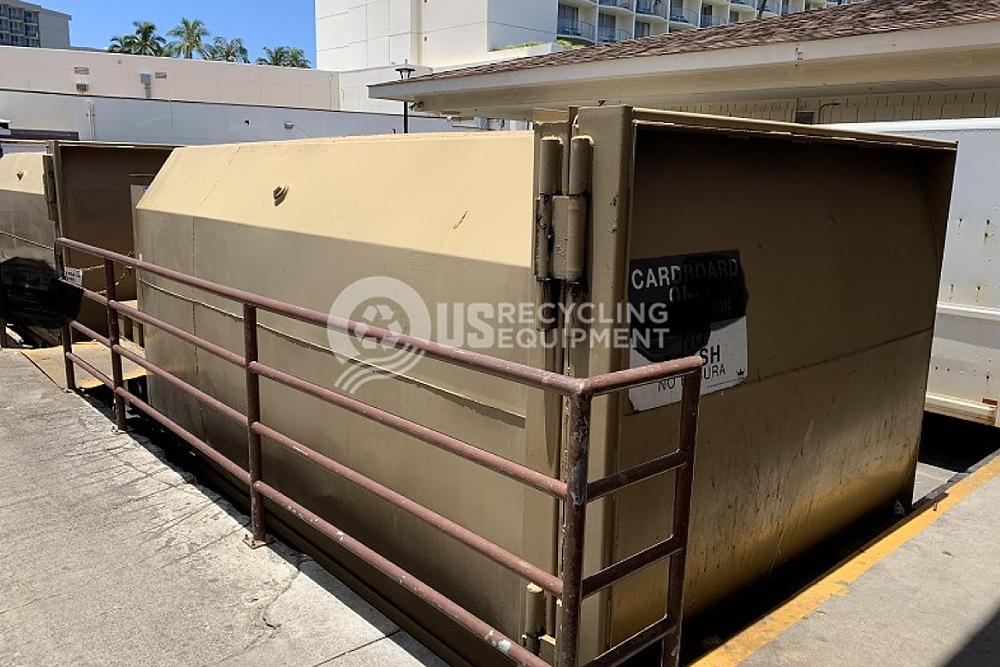
Recognizing when compactor repair is needed can prevent costly downtime and operational setbacks. Businesses that rely on waste systems must stay alert to early warning signs before minor issues escalate into major failures.
Facilities that depend on heavy-duty compactors often notice performance changes before a complete breakdown occurs. Many operations using trash compactors experience subtle inefficiencies that gradually impact workflow and waste handling.
Some companies operating a refurbished compactor may encounter wear-related issues sooner if maintenance history is limited or inconsistent.
Slower Compaction Cycles
A noticeable delay in compaction speed often points to internal problems. Equipment that once processed material quickly may begin to slow down, forcing employees to wait longer between cycles.
This issue can result from hydraulic inefficiencies, worn components, or pressure inconsistencies. Reduced cycle speed affects productivity and increases labor time, placing extra strain on daily operations. Ignoring this sign often leads to further decline and more serious mechanical concerns that require compactor repair.
Unusual Noises During Operation
Compactors usually operate with a consistent sound profile. Sudden grinding, banging, or squealing noises indicate that something is no longer functioning correctly.
These sounds often point to loose components, damaged parts, or internal misalignment. Continued operation under these conditions can worsen the damage and increase repair costs. Tending to unusual noises early helps prevent more extensive mechanical failures and keeps the system operating safely.
Inconsistent Compaction Results
When waste is no longer compressed evenly, it becomes clear that the machine is not performing at full capacity. Uneven loads or loosely packed material reduce efficiency and increase hauling frequency.
Inconsistent compaction may result from pressure issues, worn seals, or failing hydraulic components. This problem directly impacts cost control, as businesses may need more frequent pickups to manage the same volume of waste. Consistent output is a strong indicator of a properly functioning system, so any change should be taken seriously.
Fluid Leaks Around the Equipment
Hydraulic systems depend on fluid to generate the force needed for compaction. Leaks signal that the system is compromised and needs attention.
Visible fluid near the base of the machine or on surrounding surfaces may point to worn seals, damaged hoses, or loose connections. Loss of hydraulic fluid reduces pressure and impacts performance. Unchecked leaks can lead to system failure and create environmental concerns within the facility.
Frequent System Jams
A compactor that jams regularly disrupts workflow and frustrates employees. Material that becomes stuck during operation often indicates alignment issues or internal wear.
Frequent jams may also point to loading problems or mechanical components that no longer function correctly. Each interruption slows operations and increases labor demands. Consistent jamming is not a minor inconvenience. It often signals deeper issues that call for professional compactor repair.
Electrical or Control Panel Issues
Modern compactors rely on control systems to manage operation cycles. When buttons stop responding or cycles fail to complete, electrical components may be the cause.
Faulty wiring, worn switches, or control panel malfunctions can interrupt normal operation. These issues create inconsistency and may prevent the machine from functioning altogether.
Electrical concerns also introduce safety risks, which makes prompt attention critical for both equipment and personnel.
Increased Maintenance Frequency
A sudden rise in service needs often indicates that the equipment is nearing a more serious failure. When minor repairs become more frequent, underlying problems are likely developing within the system.
Repeated fixes that do not resolve the root cause lead to ongoing expenses and unreliable performance. This pattern suggests that a deeper inspection is needed to determine whether repair or replacement is the better option.
Monitoring maintenance trends helps businesses make informed decisions about their equipment before costs escalate further.
Why Early Action Matters
Waiting too long to deal with compactor issues can result in more expensive repairs and extended downtime. Small problems rarely resolve on their own and tend to worsen with continued use.
Early intervention keeps operations running smoothly and protects productivity. Businesses that respond quickly to warning signs maintain better control over costs and avoid unexpected disruptions.
A proactive approach also extends the lifespan of the equipment, allowing companies to maximize their investment.
Built Around Your Operation’s Demands
We work with businesses that rely on dependable waste equipment to keep operations moving without delays. Our team brings practical experience in evaluating equipment performance and identifying the right path forward when issues arise.
We focus on delivering solutions that match real operating conditions. From diagnosing problems to helping clients determine whether repair or replacement makes more sense, we approach every situation with full knowledge of what businesses need to stay productive.
Our insight allows us to support long-term equipment performance while helping clients avoid unnecessary expenses.
If you have any questions about US Recycling Equipment or need assistance with your compactor, please contact us today.