Running a recycling operation comes with its fair share of challenges. From keeping workers safe to dealing with contaminated materials, the obstacles can sometimes feel overwhelming. But for every problem, there is a practical way forward. Understanding these common recycling problems and solutions can help your operation run more smoothly, safely, and profitably.
Our team offers recycling consulting services to help businesses identify their specific pain points and map out a clear plan for improvement. In case you are dealing with outdated machinery or a lack of public knowledge about what can be recycled, the right approach makes all the difference.
Problem: Lack of Public Education
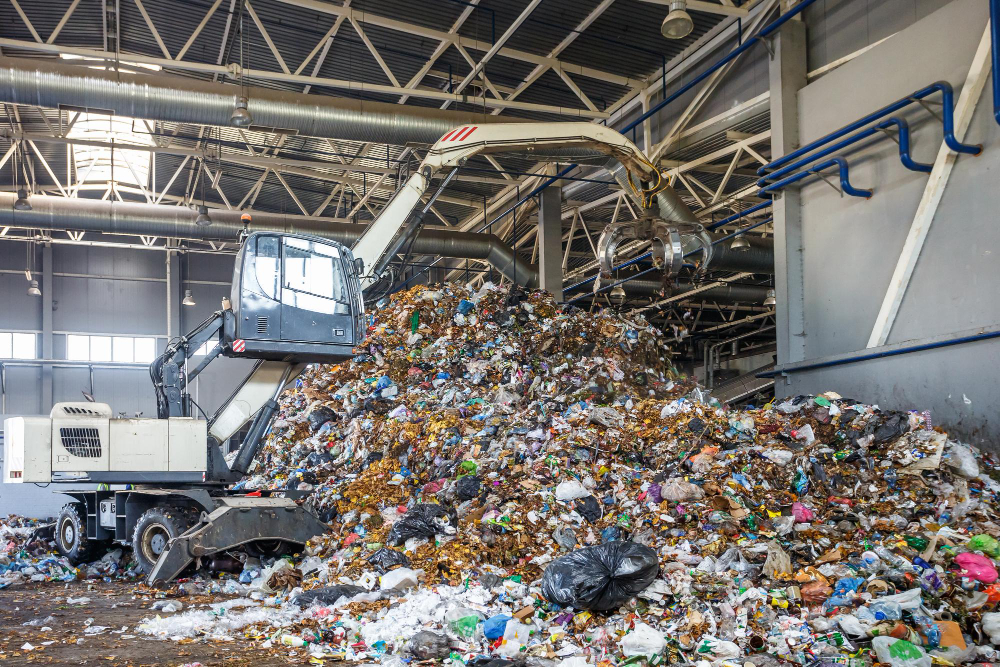
One of the biggest hurdles is that people simply do not know how to recycle correctly. When residents or employees toss the wrong items into recycling bins, it causes major issues down the line. Non-recyclables like plastic bags, food waste, or greasy pizza boxes end up mixed with clean paper and cardboard.
This confusion, often called "wish-cycling," happens when well-meaning people toss items in the bin hoping they can be recycled. The result is contaminated loads that cost facilities time and money to clean up. Addressing these recycling problems and solutions starts with understanding human behavior.
Solution: Clear Communication and Smarter Bins
The fix starts with better education. Facilities can post clear signs with pictures showing what belongs in each bin. For businesses, working with employees to explain the rules helps cut down on mistakes. On the operational side, using sorting equipment that pulls out contaminants early in the process can save a whole batch from being trashed.
Investing in screens and air classifiers helps remove film plastic and small debris before they cause trouble. Some facilities also use cameras and optical sorters that detect and eject non-recyclables automatically.
Problem: Worker Safety Risks
Recycling facilities can be dangerous places. Workers face risks from moving machinery, sharp objects, dust, and repetitive motions. Sorting lines often expose staff to hazardous items like batteries or broken glass. Without proper safeguards, injuries happen and morale drops. Dust from shredded paper and plastics can cause respiratory issues over time, and heavy lifting leads to back strain.
Solution: Better Equipment and Training
Safety starts with the right machines. Automated sorting equipment reduces the need for people to handle materials directly. Conveyors with emergency stops, proper guarding around moving parts, and dust collection systems all make a difference. Regular training sessions keep safety top of mind. When workers understand how to spot hazards and use equipment correctly, everyone goes home safe.
For facilities looking to upgrade, exploring different recycling equipment solutions like automated screens or magnetic separators can significantly reduce manual sorting risks. We make sure all our machinery at US Recycling Equipment meets high safety standards to protect your team.
Problem: Contamination in the Stream
Contamination is perhaps the most frustrating problem. A single load of dirty or wrong materials can ruin an entire batch of recyclables. This forces facilities to send perfectly good materials to the landfill because they cannot be processed safely.
The chemistry behind contamination matters. When moisture from food waste soaks into paper, it breaks down the fiber length. Short fibers cannot be made into new paper products. Wet cardboard also jams sorting equipment and creates mold issues inside balers.
Solution: Upstream Sorting and Detection
The best way to beat contamination is to stop it before it enters the system. Optical sorters and magnets can pull out metals and plastics that do not belong. Air knives separate light film from heavier containers. Placing these tools early in the line protects the rest of the process.
Many facilities also work with haulers to educate their customers, creating a cleaner stream from the start. Some advanced facilities use near-infrared technology to identify different plastic types and sort them with precision, which greatly improves the quality of the final product.
Problem: Expensive Equipment and Tight Budgets
Buying new recycling machinery costs serious money. For small to mid-sized operations, the price tag on a new baler, conveyor, or sorting line can be out of reach. This leads to outdated processes and missed opportunities. Older machines break down more often, and repair costs add up fast. When equipment sits idle, materials pile up and deadlines get missed.
Solution: Rental and Leasing Options
You do not always need to buy equipment outright. Renting gives you access to modern machinery without the huge upfront cost. This works well for short term projects, seasonal spikes in volume, or testing a new line before committing to a purchase. Rental agreements often include maintenance, which keeps your operation running without surprise repair bills.
If you are facing a temporary increase in volume or need to replace a broken machine quickly, looking into a dumpster rental option can keep your operation moving without breaking the bank. Renting also offers tax advantages since payments count as operating expenses rather than capital investments.
Problem: Low Market Demand for Recycled Materials
When the price of virgin materials drops, the demand for recycled content often falls too. This makes it hard to sell bales at a good price. Facilities end up stockpiling materials or sending them to landfills at a loss. Oil prices directly affect plastic recycling. When oil is cheap, making new plastic costs less than processing old plastic. This economic reality puts pressure on recyclers to find steady buyers.
Solution: Finding Niche Markets and Higher Quality Output
The key here is quality. Clean, well sorted bales always sell better than contaminated ones. By producing a higher-grade product, you can attract buyers willing to pay a premium. Some facilities also explore new markets, such as selling specific plastics to specialized reclaimers or working with manufacturers committed to using recycled content.
Building relationships with end users helps smooth out the ups and downs of the commodity markets. For example, selling PET plastic directly to bottle manufacturers creates a stable channel that bypasses volatile spot markets.
Problem: Global Market Shifts (Like China's Import Ban)
When China stopped taking many recyclables in 2018 under its National Sword policy, it sent shockwaves through the industry. Material that used to be shipped overseas suddenly had nowhere to go. Prices crashed, and facilities scrambled to adapt. The United States lost its biggest customer for scrap materials almost overnight. This forced the industry to rethink its entire business model.
Solution: Domestic Processing and Diversification
The industry has responded by building more domestic processing capacity. Facilities now focus on handling materials here at home instead of relying on foreign markets. This means investing in better sorting lines to produce cleaner, more valuable bales. Diversifying the types of materials you process also spreads risk.
If one market dips, another might hold steady. Adapting to these global shifts requires flexibility and a willingness to invest in the right tools. Some facilities now process electronic waste or construction debris alongside traditional recyclables to create multiple revenue streams.
Problem: Labor Scarcity and High Turnover
Finding and keeping good workers is harder than ever. Recycling facilities often struggle to fill sorting positions. The work is physically demanding, and pay often lags behind other industries. High turnover means constant training and lower productivity. New workers make more sorting mistakes, which increases contamination.
Solution: Automation and Robotics
The answer lies in automation. Robotic sorters using artificial intelligence can now identify and pick materials faster than humans. These machines work around the clock without breaks. They do not get tired or distracted. While the upfront cost is high, robots pay off by reducing labor needs and improving sorting accuracy.
Conveyors and pre-sorting equipment also reduce the physical demands on workers, making jobs easier to fill and keep filled. Some facilities pair robots with human sorters, letting machines handle the heavy lifting while people focus on quality control.
Problem: Managing Hazardous Materials
Batteries, electronics, and chemicals show up in recycling streams far too often. These items pose fire risks and health hazards. Lithium-ion batteries are especially dangerous. When crushed in a baler or compactor, they can catch fire or explode. Fires in recycling facilities are costly and dangerous.
Solution: Early Detection and Safe Handling
The best approach is catching hazards early. Metal detectors and magnets can spot some batteries before they cause damage. Cameras and human spotters watch for problem items. Some facilities use specialized sorting lines for electronics where workers safely remove batteries and hazardous components.
Training staff to recognize dangerous items is also important. When workers know what to look for, they can pull hazards off the line before trouble starts. Fire suppression systems and blast walls offer backup protection in case something gets through.
Moving Forward with Confidence
Recycling will always have its challenges. But every problem has a workable solution. Finding the right recycling problems and solutions for your facility takes experience and the right partners. At US Recycling Equipment, we help businesses navigate these issues every day.
We offer new and used equipment, expert consulting, and rental options to fit any budget. Our team offers industrial waste recycling solutions that grow with your business. We understand plant operations firsthand, which means we can offer practical advice that actually works in the real world.
In case you need to improve safety, reduce contamination, or simply get more out of your current setup, we are here to help. Contact US Recycling Equipment today to discuss how we can build a better, more efficient system for your facility. We will work with you to find the right tools and strategies to keep your operation running strong.