
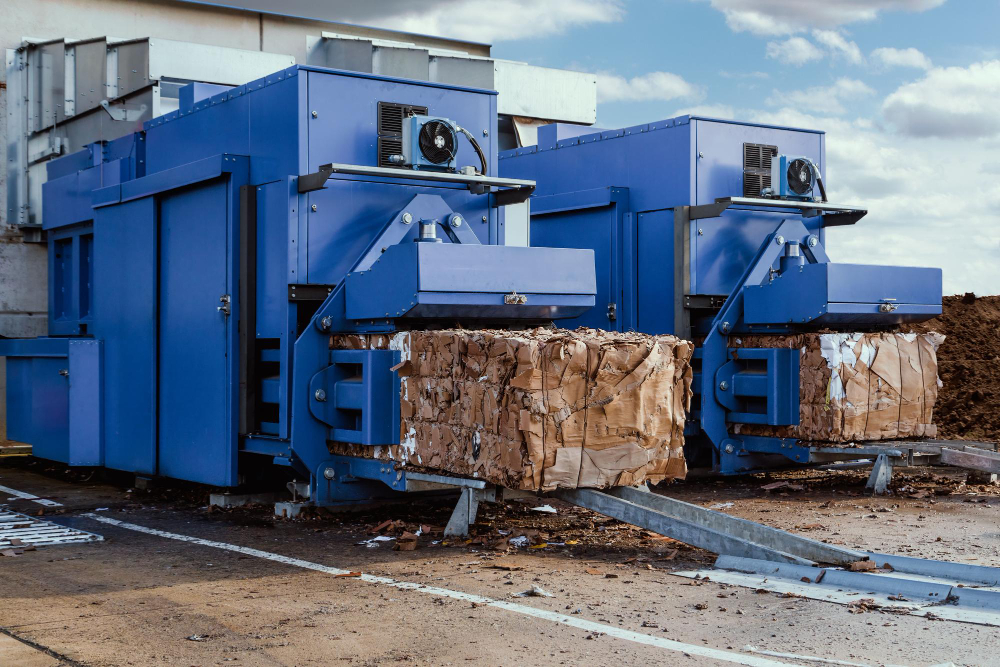
Managing waste is a reality for every business, but for some, it is a major operational cost. A recycling baler can change that by turning loose cardboard, plastic, and other materials into dense, manageable bales. This simple act of compaction reduces the space waste occupies, cuts down on how often you need pickups, and can even create a new revenue stream. While many operations can benefit, certain sectors see a massive return on investment.
Understanding which industries gain the most from baler recycling helps you see the potential for your own facility. For those ready to explore the right equipment, we offer a wide selection of balers designed for various material types and volumes.
Distribution Centers and Logistics Hubs
These facilities live and breathe cardboard. Every incoming product arrives in a box, and those boxes pile up fast. Without a baler, a distribution center drowns in loose cardboard, taking up dock space that should hold products. A baler compresses that mountain of boxes into neat stacks.
This clears the floor for work, reduces fire hazards, and cuts the cost of hauling loose material. Many centers find that baling turns a disposal expense into a steady income stream by selling dense, clean cardboard bales to recyclers. Key materials processed include cardboard and plastic wrapping.
Warehouses and Storage Facilities
Warehouses face a similar challenge. Beyond cardboard, they often handle scrap metals, plastic pallet wrap, and other packaging debris. Allowing this waste to accumulate eats into valuable storage space. A high-capacity baler consolidates bulky waste, making disposal more efficient and the workspace safer.
Clearing clutter also improves inventory management and reduces the risk of pests. Key materials include cardboard, metal scraps, and plastic packaging.
Retail Stores and Supermarkets
Retailers generate constant waste from shipments. Cartons, plastic film, and Styrofoam can quickly overflow backroom bins. A carton and plastic baler simplifies the process. Employees can toss packaging directly into the baler, keeping the back area clean and organized.
For supermarkets, this is especially important where health codes require tidy spaces. Compressing materials on-site means fewer trips from the hauler and lower monthly waste bills. Key materials processed are cardboard, plastic film, and Styrofoam packaging.
Manufacturing and Industrial Facilities
Production lines create waste as a byproduct. This includes excess packaging from raw materials, scrap metal from stamping or cutting, and off-spec products. Allowing this to pile up creates an unsafe environment and invites inefficiency.
Installing an industrial baler compactor helps manufacturers manage waste at the source. Scrap metal bales are easy to store and command a good price from recyclers. Plastic trimmings and defective parts can also be baled and sold, turning a cost center into a profit center. Key materials include cardboard, metals, plastics, and textiles.
Restaurants and Hospitality Businesses
Restaurants and hotels receive daily deliveries packed in cardboard. With limited storage and busy kitchens, boxes often pile up in alleys or dumpster areas, attracting pests. A small, vertical baler fits in tight spaces and lets staff quickly break down boxes.
This keeps loading docks clean, reduces odor, and cuts waste pickup frequency. For large hotels, baling also helps manage event waste from conferences and banquets. Key materials processed are cardboard boxes, plastic wrap, and food packaging.
Recycling Centers and Waste Management Companies
These operations exist to process materials. Uncompressed waste is inefficient to handle and transport. Baling is central to their business model. High-efficiency balers allow recycling centers to densify materials, reducing transportation costs to end markets.
Clean, consistent bales also fetch higher prices. For processing paper, plastic, or metals, the right baler is the workhorse of any recycling facility. Key materials include paper, plastic, metals, and textiles.
Garden Centers and Agricultural Businesses
Nurseries and garden centers rely heavily on plastic pots, trays, and packaging. Soil and fertilizer bags add to the stream. This plastic waste is bulky and lightweight, making it expensive to haul if left loose. A baler compresses this material, making it economical to transport to a recycler.
Some agricultural operations also bale silage wrap and other farm plastics, keeping them out of landfills. Key materials processed are plastic packaging, soil bags, and nursery trays.
Educational Institutions
Schools, colleges, and universities generate tons of paper, cardboard, and food packaging. With thousands of students and staff, the waste adds up daily. Without an efficient system, much of it heads to the landfill. Setting up a recycling area with a small baler allows institutions to manage their waste responsibly.
It also serves as a teaching tool, showing students the value of sustainability. Selling baled paper and cardboard can even fund further green initiatives on campus. Key materials processed are paper, cardboard, and food packaging.
Printing and Publishing Businesses
Print shops produce shredded paper, trim waste, and correct misprints. Simply tossing this material in the trash is wasteful and costly. A paper baler lets print shops compress this waste into dense bales. This keeps the shop floor clean and reduces fire risk from loose paper.
Recyclers often pay for clean, baled paper, adding another income stream. Key materials processed are shredded paper and cardboard packaging.
Large Venues and Event Spaces
Stadiums, convention centers, and concert halls handle massive crowds and massive amounts of waste. Most of it is cardboard, plastic cups, and food containers. Managing this manually is a nightmare. Installing balers in a central waste area allows staff to process tons of material quickly.
This keeps the venue clean during events and drastically reduces the volume needing removal afterwards. It is a key part of any large venue's sustainability plan. Key materials include cardboard boxes and plastic containers.
Technical Selection: Horizontal vs. Vertical Balers
Choosing the right machine depends on your space and volume. Vertical balers have a small footprint and work well for moderate waste. They are manual feed machines, meaning an operator loads materials and activates the cycle. These are common in retail stores and restaurants where space is tight.
Horizontal balers handle much higher volumes. They often run continuously with conveyor feeding, making them ideal for distribution centers and MRFs. Cycle times matter here. A faster cycle means more bales per hour. Bale density also affects your profit. Denser bales weigh more and ship cheaper, so a higher compaction force pays off over time. At US Recycling Equipment, we help clients match machine specs to their material flow and facility layout.
Maintenance and ROI Calculations
The financial case for a baler comes down to simple math. Start with your current hauling costs. How many times per week does a truck come for loose cardboard? Each stop has a fee. Now calculate the cost after baling. Dense bales mean fewer pickups. You might go from three hauls a week to one. That alone saves thousands yearly.
Next, add potential revenue. Clean, sorted bales sell on the commodity market. Even at low prices, that money offsets operating costs. To calculate the payback period, add your equipment cost plus installation. Divide that by your yearly savings and revenue. Many facilities see full payback in 18 to 24 months. Maintenance keeps that math working.
Simple tasks like checking hydraulic oil, inspecting belts, and keeping wire-tie mechanisms clean prevent costly breakdowns. For facilities testing the waters, exploring a dumpster rental option offers flexibility without long-term commitment.
Strategic Integration and Safety
Where you place your baler matters. Putting it near the loading dock reduces double handling. Workers can break down boxes, feed the baler, and load finished bales directly onto outgoing trucks. This workflow saves labor and keeps material moving. Safety is equally important.
ANSI standards require specific guarding around moving parts. Emergency stop buttons must be clearly marked and accessible. Training staff on proper operation prevents accidents. Never bypass safety interlocks. A clean, well organized baler area also improves morale and reduces injuries. For larger facilities, integrating the baler into a complete system design maximizes efficiency. Our MRF consulting services help facilities plan workflows that reduce bottlenecks and improve material recovery.
The Financial Case for Baling
You might wonder if your operation generates enough waste to justify a baler. A good rule of thumb is this: if you can consistently produce one to two bales per week, the investment likely pays off. A typical vertical baler produces bales of cardboard weighing 800 to 1,000 pounds. That single bale compresses 10 to 13 cubic yards of loose material into a compact unit. Fewer hauls mean lower transport costs.
Higher density means better pricing from recyclers. In some markets, you may even qualify for material rebates, turning your waste stream into a revenue stream. Even without rebates, the savings on disposal fees alone make a strong case. Even if you are not ready to buy, renting offers flexibility without the upfront commitment.
Our team helps businesses navigate this decision every day. We offer new and used equipment, expert advice, and rental options to fit any budget. We understand plant operations firsthand, which means we can help you select the right machine for your specific material stream and space.
Moving Forward with Your Plan
Investing in a trash baler is about more than waste disposal. It is about running a smarter, more efficient operation. It frees up floor space, improves safety, and lowers your environmental footprint. In many cases, it also puts money back in your pocket.
Baler recycling programs succeed when businesses commit to the right equipment and workflow. If you run a small retail store or a massive distribution center, there is a baler that fits your needs. Contact us today to discuss your waste stream and find the perfect solution for your business. We will help you turn your waste into a valuable asset.