Setting up an efficient way to handle waste is a key part of running any successful business. It helps you stay organized, meet local rules, and often save money. When we talk about a waste management system, we mean the complete process your company uses to handle its waste from the moment it is created to its final disposal or processing. This covers collection, sorting, recycling, and disposal.
Getting this system right is good for the planet and good for your bottom line. To get started with the physical equipment you need, you can explore options to buy, lease, or rent waste management machinery for your facility.
A strong system moves beyond just throwing things away. It looks at the whole picture of how materials flow through your operations. A well-designed plan can turn a cost center into an area of efficiency. The main goal is to manage materials in a way that is safe, responsible, and cost effective.
Why Your Business Needs a Solid Waste Management System
Putting time and resources into a good plan offers clear benefits. It is not just about following the law, though that is a big part of it. A modern approach helps your operations in several ways. Cost control is a major factor. By recycling more, you often pay less in landfill fees. Selling valuable recyclables like cardboard or metal can even create a new revenue stream.
Regulatory compliance is another important reason. Environmental rules are strict, and a proper system helps you stay compliant and avoid fines. Finally, safety and morale improve with a clean, well-organized workspace. It shows employees and customers that you care about your impact.
Key Components of an Effective System
To build or improve your setup, it helps to understand its basic parts. Every waste disposal system relies on a few key stages working together smoothly. Waste generation and sorting is where it starts. This involves separating materials at the point they are thrown away, like putting paper, plastics, and metals into different bins.
Next comes collection and storage. This step focuses on gathering the sorted material and holding it safely, which might involve anything from small indoor containers to large outdoor compactors.
Transportation follows, moving the collected material from your site to a processing facility or recycling center. Then comes processing and recycling. This is where materials are cleaned, sorted further, and baled to be sold to manufacturers who turn them into new products. Finally, any waste that cannot be recycled is sent to a landfill or waste-to-energy facility for disposal. Making these steps efficient is where expert advice becomes valuable.
Many companies find that working with specialists helps them design a layout that saves space and labor. Our recycling consulting services are designed to help businesses map out these exact steps for maximum efficiency. At US Recycling Equipment, we bring years of plant operation experience to every consultation.
Understanding the Waste Management Hierarchy
The industry uses a simple guide to rank the best ways to handle waste, known as the waste hierarchy. It puts the most sustainable options first. Prevention and reduction sit at the top. The goal is to not create waste in the first place. This could mean working with suppliers to use less packaging. Next is reuse, which involves finding a new way to use an item without processing it. Examples include reusing shipping boxes or donating old furniture.
Recycling comes next. This means processing materials so they can be turned into new products. This is where most businesses focus their efforts. Following recycling is recovery, which is getting value from waste that cannot be recycled, such as burning it to create energy. Disposal sits at the bottom of the hierarchy. This is the last resort and usually means sending waste to a landfill. A well-designed waste management system aims to push materials up this hierarchy whenever possible.
Common Equipment Used in Waste Management
The right machinery makes all the difference in how well your system works. The equipment you need depends on the type and amount of waste you handle. Balers are a common sight in recycling facilities. These machines crush cardboard, plastic film, and paper into dense bales.
Baling makes material easy to store and ship, and makes it much more valuable to recyclers. Compactors serve a different purpose. For waste that will not be recycled, compactors reduce its volume. This means you need fewer pickups, which cuts down on transportation costs.
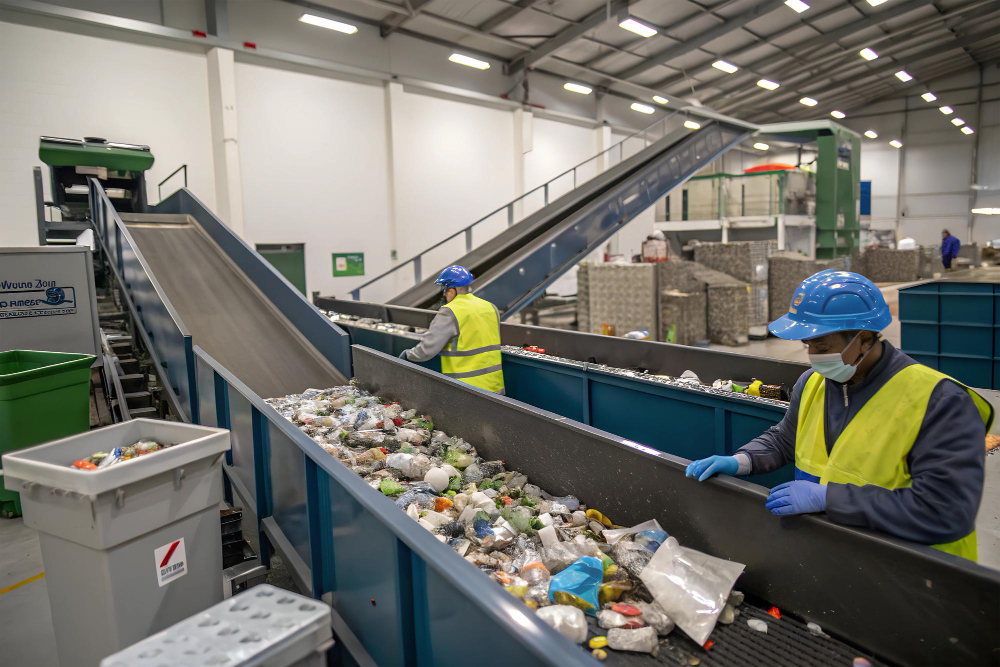
Containers and bins are also important. You need the right containers at every stage, from small office bins to large roll-off containers for construction debris. In larger facilities, conveyors and sorting systems move material automatically and help workers separate different types efficiently.
For businesses that handle sensitive information, a secure waste disposal system for paper records is a key concern. This is where industrial shredders come into play, turning documents into unreadable material that can then be baled and recycled. This process, known as records destruction, offers both security and sustainability.
The Role of Custom Fabrication in System Design
Sometimes standard equipment does not fit the unique layout of a facility. This is where custom fabrication becomes important. Having components built to your exact specifications can solve space issues and improve material flow. For example, custom chutes can guide materials directly from a production line into a baler, removing the need for manual handling.
Custom hoppers can be designed to hold specific volumes of material, feeding downstream equipment at a consistent rate. This level of tailored engineering reduces labor costs and keeps the operation running smoothly. When we design a system for a client, we look for these opportunities to add efficiency through custom solutions. US Recycling Equipment offers extensive custom fabrication services to meet these unique challenges.
Keeping Your Operation Running with Consumables
A recycling system is not just about big machines. The smaller items, often called consumables, are just as important. Baling wire is a perfect example. Without it, you cannot tie off bales, and your baler becomes useless. Keeping a steady supply of the right gauge and type of wire for your specific baler is important to avoid downtime.
We offer a full range of consumables to make sure your operation never has to stop because of a shortage. Having these items on hand and knowing when to reorder them is a simple way to keep your waste disposal system productive.
Safety First: Designing for People
The best system in the world is only as good as the people running it. Keeping your team safe should always be a top priority. Good system design naturally reduces risks. For instance, placing controls in easy to reach locations keeps operators away from moving parts. Installing proper guarding around conveyors and balers prevents accidents.
Clear walkways and good lighting in sorting areas help workers do their jobs without hazards. We think about these things during the design phase. A safe facility is a more productive facility, and it shows your team that you value their well-being.
Maintenance and Longevity of Your System
Once your equipment is in place, keeping it running smoothly is a key task. Regular maintenance prevents unexpected breakdowns that can halt your entire operation. Simple jobs like checking fluid levels, inspecting belts, and greasing moving parts can extend the life of your machinery by years. We offer comprehensive service and parts assistance to make sure your system keeps running at peak performance.
Having access to genuine replacement parts is also important. Using the correct parts for your balers and compactors helps avoid costly repairs down the road. A proactive maintenance plan is not an expense. It is an investment in the reliability of your operation.
Planning
As your business grows, your waste needs will change. A system that works today might be too small or inefficient next year. Therefore, we encourage clients to think ahead. Flexible system design allows for future expansion. Maybe you will need to add a new conveyor line or upgrade to a larger baler. We can help you plan for that growth. Thinking ahead with your waste management system makes sure you are prepared for increased volume.
Our team works with you to understand your long-term goals and design a solution that adapts. We also offer equipment rentals to help you manage temporary increases in waste volume without a major capital investment. This flexibility makes sure you are never caught off guard.
Making the Right Choice for Your Facility
Choosing the best equipment can feel complex. You must think about your space, the types of material you handle, and your budget. You also must decide if buying equipment is the best move for your cash flow. Sometimes renting makes more sense for a short-term project, while buying is better for a permanent setup.
The key is to work with a partner who understands both the equipment and the operational challenges you face. We have helped many businesses find the perfect fit, whether that involves a single new compactor or a full line of sorting equipment, including miscellaneous recycling equipment for specialized needs.
Moving Forward with Your Plan
Setting up or improving your approach is a smart investment. It helps the environment, improves your workplace, and can even save your company money. We are here to help you every step of the way. We offer new and used equipment, expert system design, and ongoing service support.
Whether you need a single baler or a complete system overhaul, we have the experience to guide you. We understand plant operations firsthand, which allows us to offer practical advice on equipment selection and plant design that truly works. Our goal is to give you a system that runs smoothly and meets all your goals. Contact us today to discuss how we can help build a better, more efficient system for your business.