
Tackling a big project like a home renovation, garage cleanout, or construction job creates a lot of debris. Managing that waste is key to keeping your workspace safe and organized. Renting a dumpster is a simple way to handle large amounts of trash without multiple trips to the landfill.
In case you are planning a cleanup, understanding how dumpster rental works helps you avoid common mistakes. For short-term needs or temporary projects, exploring a dumpster rental option can be a flexible and cost-effective choice.
Plan Your Project and Debris Type
Before you call for a container, take a few minutes to think about your project. Knowing what you will throw away helps you pick the right bin. Common projects that need a roll-off dumpster include:
- Home renovations and room remodels
- Garage, attic, or estate cleanouts
- Landscaping and yard waste removal
- Heavy debris like concrete, rocks, or dirt
- Indoor and outdoor demolition
It is a good idea to book your bin at least a few days before you start. During busy seasons like spring, ordering a week ahead makes sure you get the size you need on time. Have your delivery address, the type of material, and your start date ready when you call.
Choose the Right Container Size
Selecting the correct size is one of the most important steps. You want a bin that holds all your waste without being so large that you pay for empty space. Dumpster rental sizes are measured in cubic yards. Here is a simple guide to common sizes.
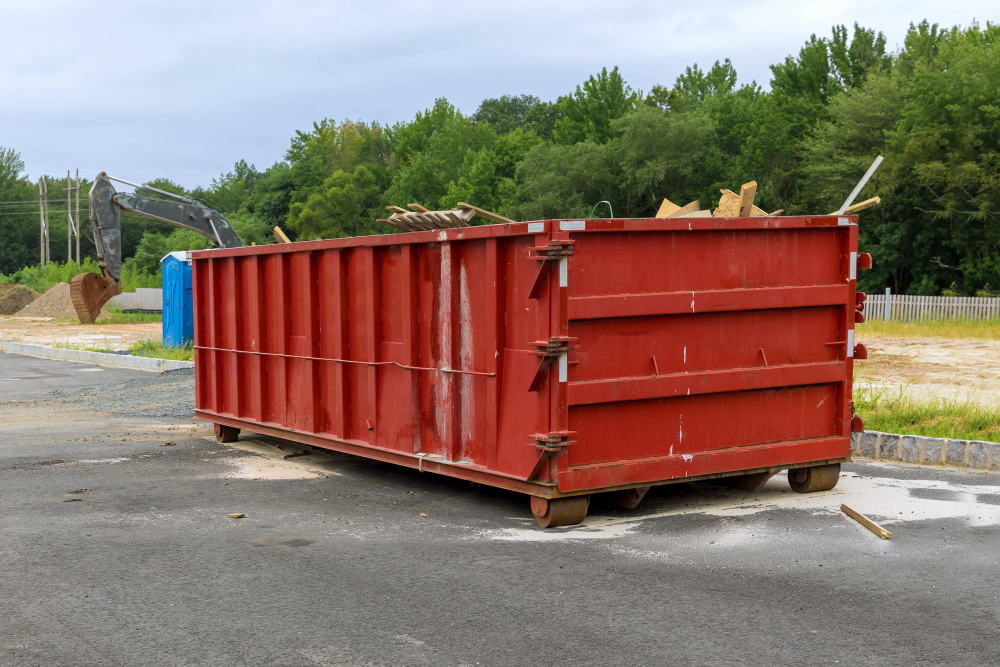
A 10-yard bin works best for small cleanouts or heavy materials like concrete. A 20-yard container is a popular choice for single room remodels or larger cleanouts. For major construction, demolition, or whole-home cleanouts, a 30- or 40-yard bin is the right fit.
Choosing the wrong size can cost you money in two ways. If you overload the bin and material hangs over the sides, the driver cannot safely haul it away. This often results in a "dry run" fee, where you still pay for the truck visit but your waste stays put. If you stay within the fill line but exceed the weight limit, landfills charge "overage fees" for every ton over the allowance. These fees add up fast, especially with dense materials like dirt or roofing shingles. Getting the size right the first time saves hassle and avoids surprise charges. We offer a range of dumpster containers to fit projects of any scale.
Prepare for Delivery and Understand Placement
Once you have chosen your bin, you need to get your site ready. The delivery driver will need a clear spot to drop the container. Choose a flat, hard surface like a driveway. Make sure the area is free of low-hanging branches or wires. There should be about 60 feet of straight space for the truck to roll off the bin.
You do not usually need a permit if the dumpster sits on your own property. In case you need to place it on the street, check with your local town or city office. They can tell you if a permit is required. When the driver arrives, you do not need to be there; just make sure the drop zone is clear and that any gates are unlocked.
Load Your Dumpster Safely and Efficiently
When your bin arrives, you can start loading right away. Follow these simple tips to stay safe and get the most out of your space.
- Load heavy items first. Put materials like concrete, dirt, or old tiles at the bottom. This creates a stable base.
- Distribute weight evenly. Spread debris around the container so it is not all piled on one side. This keeps the truck stable during pickup.
- Use the door. Most roll-off bins have a swinging door at one end. Use it to walk heavy items in or roll them in with a wheelbarrow.
- Keep debris level. Do not pile trash higher than the top of the walls or let it hang over the sides. This is a safety rule for transport.
Avoid tossing prohibited items like paints, oils, chemicals, or tires. If you are managing a larger facility's waste, proper system design is key. Our MRF consulting team at US Recycling Equipment helps large facilities design the best layout for their bins. Our MRF consulting services can help large-scale operations streamline their entire waste process.
Schedule Your Pickup
When your project is done or your bin is full, it is time to call for pickup. Most rental periods last about a week or ten days. You should schedule the pickup in advance so the hauler knows when to come.
At US Recycling Equipment, we offer reliable containers and flexible rental terms for projects of all sizes. Our team can help you select the right bin and answer any questions about the process. Contact us today to schedule your delivery and keep your next project on track.