
If your business handles a lot of waste or recyclables, you have likely heard the terms balers and compactors used together. While they look similar and both use hydraulic pressure to squeeze materials into smaller sizes, they are designed for two very different jobs. Choosing the wrong one can cost you time and money. The simplest way to tell them apart is to look at the result.
A compactor makes trash smaller so it takes up less space in a landfill. A baler turns recyclables into dense, neat blocks that are sold to manufacturers. To handle general waste efficiently, many businesses start by looking at our line of compactors for their facilities.
What a Compactor Does
A compactor is built to handle trash. This is the material you are throwing away, the things that have no value and are headed for the dump. The machine uses a powerful ram to crush this waste into a container. Once the container is full, a hauling company picks it up and takes the contents to a landfill. The main goal here is volume reduction. By crushing the trash, you fit much more into each container.
This means fewer pickups by the hauling company, which lowers your transportation costs and reduces the number of trucks on the road. For operations dealing with a mix of dry garbage and wet waste, self-contained models are often the right choice. You can explore different styles of trash compactors to see which configuration suits your space.
What a Baler Does
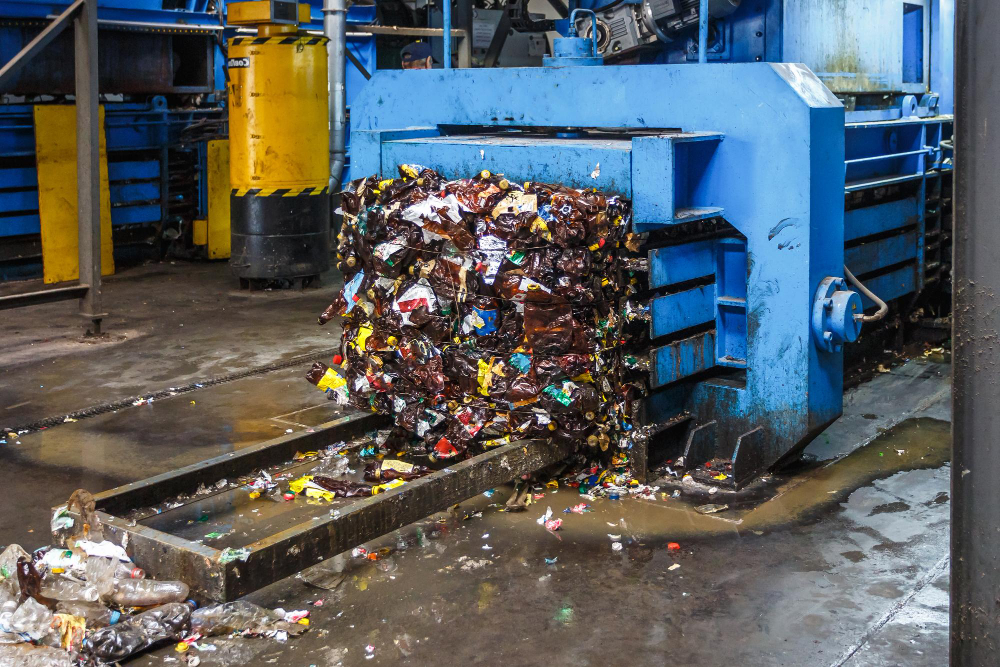
A baler serves a completely different purpose. It is used for recyclable materials that have value, such as cardboard, paper, plastics, and certain metals. Instead of crushing items for disposal, a baler compresses them into tightly packed bales. These bales are then secured with wire or twine. In this form, the materials are clean, easy to stack, and simple to transport.
They are sold to recycling companies that use them to make new products. So, a baler turns a waste stream into a revenue stream. There are two main types: vertical balers, which are great for smaller operations, and horizontal balers, which handle high volume for large distribution centers. We carry a wide range of balers designed for different material types and facility sizes.
Key Differences at a Glance
To make the choice clear, here is a simple breakdown of how compactors and balers differ from one another. Understanding these differences helps you match the machine to your specific material stream.
- Material Processed: A compactor handles mixed trash and garbage. A baler handles sorted recyclables like cardboard and plastic.
- Destination: Material from a compactor goes to a landfill or waste-to-energy facility. Bales from a baler go to a recycling plant to be turned into new goods.
- Business Impact: A compactor saves you money on hauling fees. A baler can save you money and create income from selling recyclables.
Custom Fabrication for Unique Needs
Sometimes standard equipment does not fit the layout of a facility. This is where custom fabrication becomes important. Having components built to your exact specifications can solve space issues and improve material flow. For example, custom chutes can guide materials directly from a production line into a baler, removing the need for manual handling. Custom hoppers can be designed to feed a compactor at a consistent rate.
This level of tailored engineering reduces labor costs and keeps the operation running smoothly. When you are integrating balers and compactors into an existing space, custom solutions often make the difference between a cramped setup and an efficient workflow. We look for these opportunities to add efficiency through custom solutions for our clients.
Maintenance and System Safety
Keeping your equipment in good shape is important for any operation, in case you use a compactor and baler together or just one machine. Regular maintenance prevents unexpected breakdowns that can stop your work flow. Simple steps like checking hydraulic fluid levels, inspecting hoses for wear, and keeping moving parts greased can extend the life of your machinery by years.
A clean machine is also a safer machine. Workers should be trained on proper operating procedures, and safety guards should always remain in place. We offer service and parts assistance to help you keep your equipment running at its best. US Recycling Equipment offers help for both new and existing machinery to minimize downtime. A well-maintained machine protects your team and your investment.
Making the Right Choice for Your Operation
Deciding between a compactor and baler really comes down to understanding what is in your waste stream. We recommend conducting a simple audit. Look at what you are throwing away. If the majority is packaging like cardboard and stretch film, a baler is likely your best investment. If your waste is mostly non-recyclable garbage, food waste, or mixed trash, then a compactor is the right tool for the job.
Sometimes, a large facility might need both a baler and compactor working side by side. The baler handles the valuable recyclables, and the compactor takes care of the rest. Getting this mix right can significantly improve your facility's efficiency.
At US Recycling Equipment, we help businesses work through this decision every day. We offer new and used equipment, and we can help you design a system that fits your space and budget. Whether you need advice on a single machine or a full setup, we are here to help.
Our team understands the difference between each machine type and can guide you toward the right solution. Contact us today to discuss your needs and find the perfect fit for your facility. We will help you make an informed choice that saves money and keeps your operation running smoothly.