Getting rid of waste the right way is important for your community and the environment. Dumping trash illegally harms nature, creates health risks, and leads to heavy fines. But figuring out where you can dump trash legally is not always simple. The answer depends on what you are throwing away and where you live.
From household garbage to construction debris, there are proper channels for every type of waste. Knowing your options keeps you compliant and helps the planet. For businesses managing larger volumes, exploring a dumpster rental option can offer a simple, on-site solution for temporary projects.
Common Places to Dispose of Trash
Most communities offer several legal ways to get rid of waste. Some programs are free for residents, while others charge small fees based on the load type. Here are the most common options.
- Local Landfills: Also called sanitary landfills, these are engineered sites where waste is buried safely using liners to protect the environment. They serve as the final destination for most trash that cannot be recycled or repurposed. Fees at these locations are usually calculated based on weight or total volume.
- Transfer Stations: These facilities accept waste and then load it onto larger trucks for efficient transport to regional landfills. They are convenient for smaller loads and often feature separate areas for sorted recyclables and hazardous waste. This setup reduces the number of individual trips to distant disposal sites.
- Recycling Centers: For items like cardboard, glass, plastic, and metal, recycling centers are the best choice for resource recovery. Many facilities accept these materials for free, especially from local residents who sort their items beforehand.
- Household Hazardous Waste Facilities: Paint, chemicals, batteries, and electronics need special handling to prevent environmental contamination. Most counties have dedicated drop off sites specifically for these items, often at no cost during scheduled collection events.
Curbside Pickup Services
For regular household trash, curbside pickup is the most common solution. Your local municipality or a private hauler collects garbage from your home on a set schedule. You place your waste in approved bins or bags and set them at the curb. Many services also offer recycling pickup and yard waste collection.
Some communities provide bulk pickup for large items like furniture or appliances a few times a year. Check with your local provider to understand what they accept and any rules about placement.
Yard Waste Disposal Sites
Grass clippings, leaves, branches, and other organic material do not belong in a landfill if they can be composted instead. Many towns have dedicated yard waste drop-off sites. These are often free for residents. The collected material gets turned into mulch or compost, which benefits local parks and gardens. This keeps organic waste out of landfills and returns nutrients to the soil.
The Anatomy of a Transfer Station
Understanding how a transfer station works helps explain the fees you might pay. When you arrive, you back your truck up to a "tipping floor." This is a large concrete slab where you unload your waste. Workers or machines then sort through the pile, pulling out obvious recyclables or prohibited items. The remaining trash is pushed into a "load-out" pit.
From there, it is loaded into massive transfer trailers that hold up to 30 tons of compacted waste. These trailers haul the material to a regional landfill. This process saves fuel and reduces truck traffic because one transfer trailer replaces several smaller collection trucks on the road.
At US Recycling Equipment, we help facilities design efficient transfer station layouts that maximize throughput and safety.
Class I vs. Class III Landfills
Not all landfills are the same. Class I landfills, also called Municipal Solid Waste (MSW) landfills, accept household trash, food waste, and other organic materials. These sites have complex liner systems to protect groundwater and collect methane gas.
Class III landfills are built for Construction and Demolition (C&D) debris. They accept concrete, wood, drywall, and roofing shingles. Because C&D waste does not produce the same liquids or gases as household trash, these landfills are often cheaper to operate and charge lower fees. But they have strict rules. You cannot dump food waste or other "putrescible" materials in a C&D landfill. Knowing which landfill your debris belongs in saves you money and keeps you legal.
Roll-Off Dumpsters for Large Projects
For home renovations, construction jobs, or major cleanouts, a roll-off dumpster is the most practical choice. These large, open-topped containers are delivered to your site and picked up when full. They handle mixed debris like drywall, lumber, roofing shingles, and old furniture. Renting a dumpster keeps all your waste in one place and avoids multiple trips to the landfill. It also makes sure the material is disposed of legally and responsibly.
We offer a range of waste containers to fit projects of any scale, from small home cleanouts to large construction sites. Our team at US Recycling Equipment can help you select the right container and schedule delivery when you need it.
State and Local Waste Policies
Waste disposal is heavily regulated at the state and local levels. Many states have a "Solid Waste Management Act" that sets standards for landfills and transfer stations. Local governments often add their own rules. One common approach is "pay-as-you-throw" (PAYT).
In these programs, residents pay for trash by the bag or by the bin. This creates a direct financial incentive to recycle more and throw away less. Some communities also ban certain items from landfills entirely. Yard waste bans are common in many states. Knowing your local rules helps you avoid fines and participate in programs that save you money.
Items You Cannot Throw in Regular Trash
Knowing what not to dump is just as important as knowing where you can drop off trash. Certain items are banned from landfills because they are hazardous or recyclable.
- Electronics: TVs, computers, and phones contain metals and chemicals that should not be buried.
- Batteries: Especially lithium-ion batteries, which can cause fires in trucks and landfills.
- Paint and Chemicals: These require special handling at hazardous waste facilities.
- Tires: Many landfills do not accept tires due to their shape and potential to trap methane gas.
- Appliances: Refrigerators and air conditioners contain coolants that must be removed safely.
Check with your local waste authority for a complete list of prohibited items and where you can drop off trash that requires special handling.
What About Dumping in Other People's Bins?
It might be tempting to toss a bag of trash into a public bin or a neighbor's dumpster, but this is illegal. It is considered trespassing and theft of service. Businesses pay for their waste hauling based on volume. Adding your trash to their bin costs them money. In many areas, this can lead to fines or even criminal charges. Always use your own bins or a designated public receptacle.
Avoiding Illegal Dumping
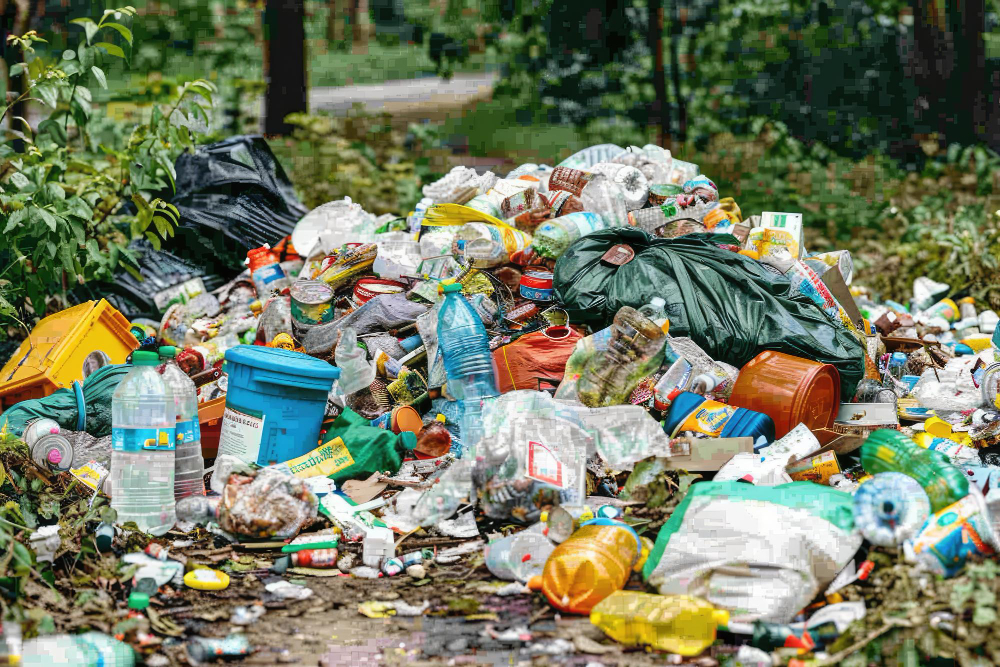
Illegal dumping, also called "fly tipping," is a serious problem. It includes leaving waste in alleys, vacant lots, or natural areas. This harms wildlife, pollutes soil and water, and costs taxpayers money to clean up. Penalties can be steep, ranging from hundreds to thousands of dollars. In some cases, it can even lead to jail time. The safest approach is always to use official channels.
Options for Businesses
Companies that generate a lot of waste have additional responsibilities. A retail store with mountains of cardboard or a restaurant with daily food waste needs a solid plan. Working with a waste hauler on a regular schedule keeps the site clean and compliant.
For larger operations, on-site compactors or balers reduce volume and cut hauling costs. If you are unsure about the best setup for your business, expert advice helps. Our MRF consulting services can help businesses design efficient waste systems that reduce costs and improve recycling rates.
Tips for Responsible Disposal
Following a few simple habits makes waste disposal easier and more responsible.
- Separate recyclables from trash to keep valuable materials out of landfills.
- Break down cardboard boxes to save space in your bin.
- Take hazardous items to designated drop-off events or facilities.
- Consider composting food scraps and yard waste at home.
- For large projects, rent a dumpster to contain all debris in one place.
How to Find Your Local Options
The best way to find legal disposal sites is to contact your city or county public works department. Their website usually lists landfill locations, transfer stations, recycling centers, and special collection events. You can also search online for "transfer station near me" or "hazardous waste drop-off." Make sure to call ahead and confirm hours, fees, and what materials they accept.
Moving Forward Responsibly
Knowing where you can dump trash legally protects you from fines and helps keep your community clean. In case you are planning a big cleanup or renovation, renting a dumpster gives you a simple, legal place for all your debris. We offer reliable containers and flexible rental terms for any job.
Our team can help you choose the right size and answer questions about prohibited items. Contact US Recycling Equipment today to schedule your delivery and handle your waste the right way. Proper disposal is everyone's responsibility, and we are here to help you do it right.