


Quick Summary
Routine care plays a major role in extending equipment lifespan and maintaining efficient recycling operations. Regular inspections, proper cleaning, hydraulic system checks, operator training, and timely repairs help prevent costly breakdowns and improve overall reliability. Facilities that prioritize maintenance often experience less downtime, lower repair expenses, and more consistent performance. A proactive approach protects equipment investments while supporting long-term operational success.
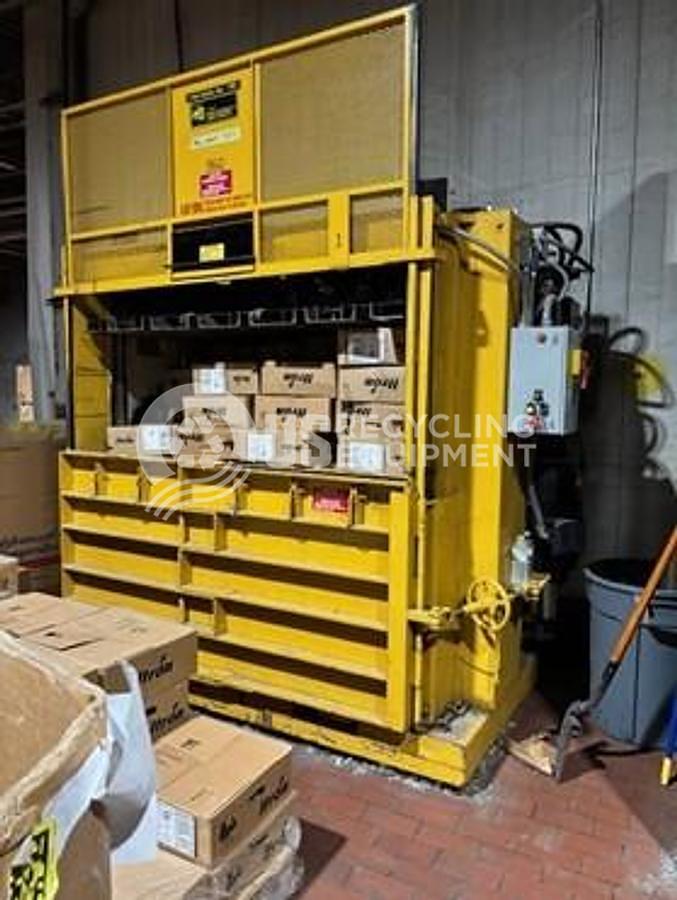
A baler is one of the hardest-working pieces of equipment in many recycling and waste management operations. Day after day, it processes large volumes of material, helping facilities improve efficiency, reduce storage requirements, and simplify transportation. However, even the most durable equipment requires attention to continue operating at peak performance.
Effective baler maintenance is one of the most important steps organizations can take to maximize equipment lifespan and avoid costly disruptions. While breakdowns may seem to happen unexpectedly, many can be traced back to issues that developed gradually over time. Understanding how to care for your equipment can help prevent those problems before they affect productivity.
Practical Upkeep Routines for Industrial Baling Machinery
Keeping high-pressure compression systems in optimal working condition requires focusing on key operational areas. Setting up simple daily and weekly checks ensures your hardware handles high volume without unexpected interruptions.
Monitoring and Replacing Hydraulic Fluid Regularly
Over months of heavy use, hydraulic oil naturally degrades due to heat and pressure, losing its ability to lubricate moving parts effectively. Checking the fluid levels weekly and swapping out the oil according to the manufacturer guidelines prevents internal pump grinding. If the fluid ever appears cloudy or milky, it means water has contaminated the reservoir, which requires an immediate flush to protect the internal valves from rusting.
Keeping the Wear Pads and Guide Tracks Clean
As the heavy compression platen travels forward and backward through the chamber, it relies on specialized wear pads to slide smoothly along steel guide tracks. Small pieces of cardboard, loose strapping tape, and fine dust inevitably escape the main chamber and pack tightly into these tracks.
If this debris builds up, it forces the ram out of alignment, causing uneven wear on the main cylinder seals and steel walls. Scraping out the tracks and inspecting the thickness of the pads prevents metal-on-metal friction from warping the main framework.
Lubricating All Pivot Points and Mechanical Links
Industrial balers feature numerous heavy-duty hinges, door latches, and mechanical linkages that experience continuous friction during every packing cycle. Applying a high-quality grease to these pivot points keeps the physical doors moving freely and prevents latches from binding up under stress.
Skipping this step causes hinges to grind down, making it incredibly difficult for operators to close the chamber doors tightly. Keeping these joints well-lubricated reduces the physical effort required to run the machine and eliminates loud, harsh squealing noises.
Checking the Automated Tying Mechanism Timing
For facilities running high-volume horizontal machines, the auto-tie assembly must operate with perfect mechanical timing. Fine paper dust, moisture, and wire shavings can collect in the knotter heads, causing the system to drop ties or snap binding wires prematurely.
Cleaning the cutter blades daily and checking for worn twister gears keeps the binding sequence fast and dependable. Well-maintained tying systems prevent loose materials from exploding across the floor when a finished bundle exits the chamber.
Maintaining Long Term Structural Reliability
Running an efficient warehouse requires processing machinery that works dependably turn after turn without driving up your ongoing repair bills. Investing time into structured, proactive care keeps your hardware safe, controls your transportation costs, and maintains maximum bundle density.
US Recycling Equipment brings decades of hands-on plant operation experience and machinery design knowledge directly to your facility logistics. We provide comprehensive equipment sales, leasing, and custom fabrication support to keep your material processing systems operating perfectly.
Our experienced technical division is ready to help you optimize your material processing setup with durable hardware and tailored support. Get in touch with our office today to explore custom recycling equipment maintenance schedules and specialized machinery upgrades built for your operational volume.
FAQs
How often should the oil filters be changed on a commercial baler?
Under normal operating conditions, hydraulic oil filters should be replaced every six months or after one thousand hours of active use. Changing the filters regularly catches tiny metal shavings and dirt particles before they can enter the main pump and scratch the delicate cylinder walls.
Why is my machine struggling to create tight, heavy cardboard bundles?
A drop in bundle density is usually caused by a loss of system pressure within the hydraulic lines. This performance issue often stems from a faulty pressure relief valve that lets fluid bleed back into the tank too early, or from worn internal cylinder seals that allow oil to bypass the piston head.
What are the main signs that the wear pads need replacement?
You can tell the wear pads are failing if you notice the ram vibrating heavily, making a harsh metallic grinding sound, or drifting to one side during a cycle. Visually inspecting the gap between the ram and the track walls helps you catch worn pads before the steel surfaces grind against each other.