
Quick Summary
Routine maintenance helps recycling equipment remain productive, safe, and reliable throughout its lifespan. Warning signs such as unusual noises, slower operating speeds, hydraulic issues, inconsistent bale quality, and increased energy consumption often indicate that attention is needed before larger problems develop. Facilities that address maintenance concerns early typically experience less downtime, lower repair expenses, and longer equipment life. A proactive approach allows businesses to maintain efficient operations.
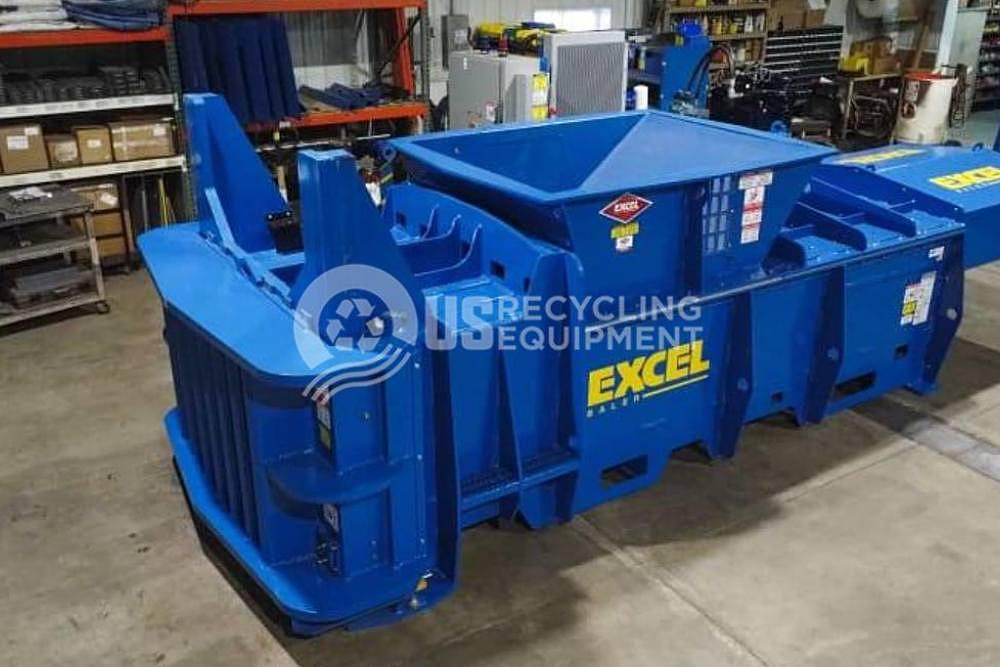
In facility management and logistics, processing piles of cardboard, plastic, and loose materials into tight bundles keeps operations moving smoothly. Balers are responsible for this intense compression, typically handling thousands of pounds of pressure per square inch every single day.
Because these heavy units are ruggedly built, it is incredibly easy to take their continuous operation for granted until everything grinds to a halt. Waiting for a complete mechanical breakdown before calling for professional baler service turns a small, predictable maintenance task into a logistical nightmare.
Spotting the subtle physical warnings of internal wear early protects your machine from catastrophic damage and keeps your waste stream moving efficiently.
When to Service Your Baler
Even the most durable recycling equipment requires regular attention to maintain peak performance. While maintenance schedules vary depending on usage, material type, and operating conditions, there are several clear indicators that a baler needs professional service. Paying attention to these warning signs can help prevent unexpected downtime, reduce repair costs, and extend the life of your equipment.
When Bale Quality Starts to Decline
One of the first signs that service may be needed is a noticeable change in bale quality. Bales should be consistent in density, shape, and size. When they become loose, uneven, or difficult to stack, the machine may no longer be operating at optimal efficiency.
Several issues can contribute to poor bale formation, including hydraulic problems, worn components, or calibration concerns. Addressing these issues early helps maintain productivity while producing bales that are easier to handle, transport, and sell.
When Hydraulic Systems Show Signs of Trouble
Hydraulic systems perform much of the heavy lifting in recycling operations. When a baler begins losing pressure, operating more slowly, or showing signs of fluid leaks, service should be scheduled as soon as possible.
Hydraulic problems rarely improve without intervention. Small leaks can grow larger over time, while pressure loss can place additional strain on other components. Prompt maintenance helps prevent more extensive repairs and protects overall equipment performance.
When Operating Cycles Take Longer Than Usual
A machine that suddenly requires more time to complete a cycle is often signaling that something is wrong. While gradual performance changes can be easy to overlook, they frequently indicate wear or developing mechanical issues.
Longer cycle times can reduce throughput and create bottlenecks throughout the facility. Investigating the cause early allows technicians to restore efficiency before productivity suffers.
When Unusual Noises Become Common
Experienced operators quickly learn what normal equipment sounds like. Grinding, squealing, clanking, or rattling noises often indicate worn parts, loose components, or alignment issues.
These sounds should never be ignored. What begins as a minor repair can become a significant maintenance issue if equipment continues operating under damaged conditions. Professional inspection can identify the source and prevent additional wear.
When Electrical Issues Start Affecting Performance
Electrical systems control many machine functions. Fault codes, sensor problems, inconsistent operation, or unexpected shutdowns may indicate electrical issues that require attention.
Even intermittent problems deserve investigation. Electrical faults can become more difficult to diagnose over time and may eventually lead to costly downtime if left unresolved.
When Maintenance Intervals Have Been Exceeded
Sometimes equipment appears to be functioning normally despite being overdue for service. However, waiting until visible problems develop is rarely the most cost-effective strategy.
Routine inspections allow technicians to identify wear before it causes operational issues. Following recommended maintenance intervals helps reduce the likelihood of unexpected failures and extends equipment lifespan.
When Energy Consumption Begins to Increase
Facilities that monitor utility costs may notice changes before operators identify performance concerns. Equipment that works harder to perform routine tasks often consumes more energy.
Hydraulic inefficiencies, worn components, and mechanical resistance can all contribute to rising energy usage. Service inspections can help uncover hidden issues that affect both performance and operating costs.
When Excessive Wear Becomes Visible
Regular visual inspections often reveal developing problems. Worn chains, damaged hoses, cracked welds, corrosion, or excessive component wear should all be evaluated promptly.
Visible damage may not immediately stop production, but it often signals that larger issues are developing beneath the surface. Early repairs help maintain reliability and reduce the risk of emergency breakdowns.
Why Preventive Maintenance Matters
Many facilities focus heavily on production goals while unintentionally overlooking equipment health. Preventive maintenance helps bridge that gap by addressing potential problems before they affect operations.
Rather than reacting to failures, preventive programs focus on inspection, adjustment, lubrication, testing, and replacement of worn components. This proactive approach helps reduce emergency repairs and minimizes operational disruptions.
Regular maintenance also contributes to workplace safety. Equipment operating within proper specifications generally performs more predictably and presents fewer risks to employees. Facilities that invest in preventive care often experience greater equipment reliability and lower long-term ownership costs.
Common Causes of Premature Wear
Many equipment issues result from operating practices rather than age alone. Understanding common causes of wear can help facilities improve reliability and reduce maintenance costs.
Improper loading techniques, inconsistent material flow, neglected inspections, and delayed repairs all contribute to accelerated wear. Over time, these factors place additional stress on critical components.
Even high-quality machinery benefits from proper operation and consistent maintenance. Addressing small concerns quickly often prevents larger issues from developing later.
Creating a Maintenance Mindset
Successful maintenance programs involve more than scheduled service appointments. Operators and facility personnel play an important role in identifying developing concerns.
Encouraging employees to report unusual sounds, performance changes, leaks, vibration, or safety concerns creates opportunities for early intervention. Small observations often reveal issues before they become major problems.
Simple habits can improve equipment reliability:
- Conduct regular visual inspections
- Report unusual performance changes immediately
- Keep work areas clean and organized
- Follow manufacturer operating recommendations
- Address minor issues before they worsen
When maintenance becomes part of daily operations, facilities often experience fewer unexpected interruptions.
The Value of Professional Service Support
While routine inspections help identify obvious concerns, experienced technicians provide deeper insight into equipment condition and performance.
At US Recycling Equipment, we help businesses maintain efficient recycling operations through equipment service, repairs, maintenance, and technical support. Our extensive experience with recycling systems allows us to identify problems quickly and recommend practical solutions that support long-term reliability. We work closely with customers to help maximize equipment performance while minimizing downtime and unnecessary repair expenses.
Our professional service providers understand how systems perform under real operating conditions. This expertise can help identify hidden issues that may not be immediately visible during routine inspections. Experienced technicians also provide valuable guidance regarding replacement schedules, system upgrades, and maintenance planning.
When Small Problems Become Expensive Problems
Many major repairs begin with relatively minor warning signs. A small hydraulic leak, a loose component, or a subtle performance change may not seem urgent initially.
However, equipment systems are interconnected. When one component begins struggling, additional stress is often transferred to surrounding parts. Over time, this can create a chain reaction that leads to more extensive damage.
Addressing concerns early often results in lower repair costs, shorter service times, and less disruption to facility operations. Businesses that adopt a proactive approach typically spend less time responding to emergencies and more time focusing on productivity.
Protecting Your Equipment Investment
Equipment represents a significant investment for any facility. Protecting that investment requires ongoing attention and a commitment to maintenance.
Routine inspections, timely repairs, and professional support help extend equipment lifespan while maintaining consistent performance. Facilities that prioritize maintenance often achieve better operational outcomes and lower total ownership costs. Rather than viewing maintenance as an expense, many successful operations recognize it as a strategy for protecting productivity, improving reliability, and reducing risk.
Keep Your Recycling Operation Running Strong
The most effective maintenance programs focus on prevention rather than reaction. By paying attention to warning signs such as unusual noises, hydraulic leaks, declining performance, excessive vibration, and inconsistent output quality, facilities can address issues before they lead to significant downtime.
Reliable equipment supports safer operations, improved productivity, and more predictable costs. Organizations that respond quickly to developing concerns often enjoy longer equipment life and fewer unexpected disruptions.
When equipment begins showing signs of wear, timely professional attention can make all the difference. Contact us to learn more about our recycling equipment maintenance and repair solutions and discover how we can help keep your operation running efficiently, safely, and productively.
FAQs
How often should a recycling machine be serviced?
Service intervals depend on equipment type, usage levels, operating conditions, and manufacturer recommendations. Facilities with heavy workloads often benefit from more frequent inspections and maintenance.
What happens if maintenance is delayed?
Delayed maintenance can allow minor issues to develop into larger problems. This often leads to higher repair costs, reduced efficiency, and unexpected downtime.
Can preventive maintenance extend equipment life?
Yes. Regular inspections, lubrication, adjustments, and timely repairs help reduce wear, improve reliability, and support longer equipment lifespan.
Are performance issues always caused by mechanical problems?
Not necessarily. Performance concerns may result from hydraulic, electrical, operational, or environmental factors. Professional diagnostics help identify the true source of the issue.
Is professional service worth the investment?
Professional service helps identify developing problems early, reduces the risk of major failures, and supports more reliable operation over the long term.