


Quick Summary
Industrial waste machinery operating under heavy daily loads requires regular maintenance to prevent catastrophic structural failure and high hydraulic repair bills. Sluggish cycling times, unusual metallic screeching, inconsistent waste reduction, and visible fluid pools indicate that internal components have degraded past safe operational thresholds. Scheduling maintenance at the first sign of fluid discoloration or minor pressure drops maintains structural integrity, controls operational overhead, and protects facility safety.
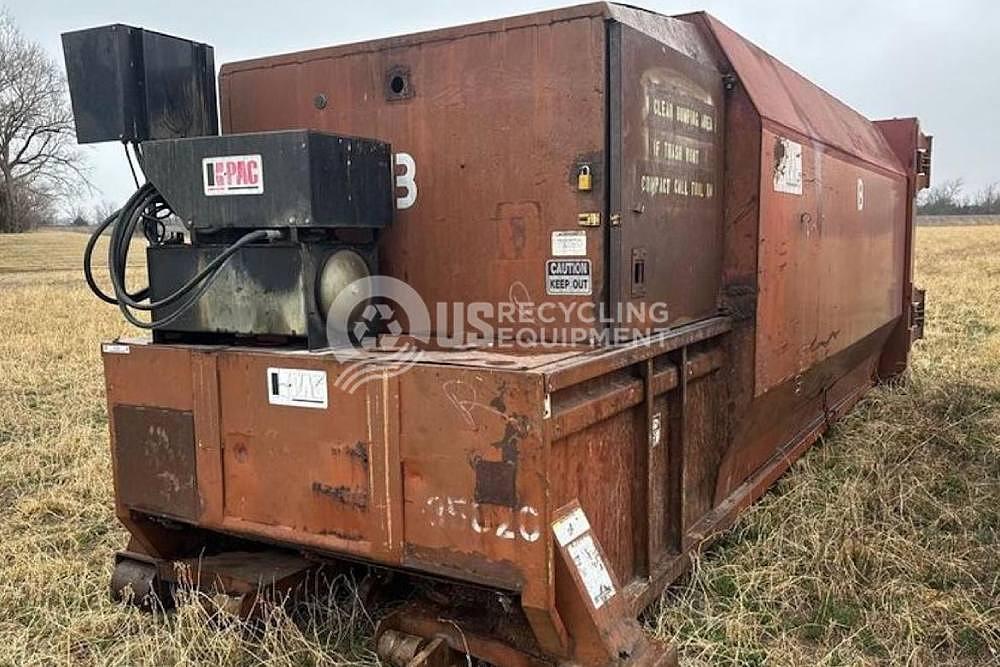
Compactors operate under immense pressure, crushing tons of refuse daily to keep your facility clean and organized. Because these units are buried in back bays or loading docks, it is easy to forget about them until a major breakdown halts operations completely.
Waiting for a mechanical failure turns a routine upkeep task into an expensive logistical nightmare. Recognizing the subtle early warnings of mechanical wear lets you schedule professional compactor service before minor component strain escalates into a catastrophic operational halt.
Signs It's Time to Service Your Compactor
Industrial waste units communicate their internal stress through distinct operational changes, structural shifts, and unusual noises. Paying close attention to how your machine handles its daily workload helps prevent sudden operational downtime.
Noticeable Slowdowns in the Cycle Time
A healthy waste unit completes its packing cycle within a specific, predictable timeframe. When the ram begins moving at a sluggish pace, it usually points to an underlying issue within the hydraulic system.
This lag often stems from fluid degradation, a failing pump, or internal pressure loss that prevents the machine from operating efficiently. Ignoring a slow cycle forces the motor to run longer and hotter, accelerating the wear on every connected component.
Loud or Unusual Mechanical Noises
While no heavy waste machinery operates silently, you should be intimately familiar with the normal hum of your machine. Screeching, grinding, or loud thumping sounds indicate that metal components are rubbing together without proper lubrication.
These noises can also signal that the ram has fallen out of alignment or that structural guide shoes have worn away completely. Catching these sounds early prevents the internal framework from warping under its own pressure.
Frequent and Unexplained Electrical Trips
If your machine suddenly begins tripping circuit breakers or blowing fuses, the electrical system is under distress. This happens when the motor has to work twice as hard to push the ram through the waste chamber, drawing excess current in the process.
Internal wiring degradation, moisture intrusion, or a failing capacitor can also cause these electrical anomalies. Resetting the breaker repeatedly without inspecting the root cause can permanently burn out the motor winding.
Pools of Hydraulic Fluid Around the Base
Hydraulic systems rely on sealed, high-pressure environments to transfer the force necessary to crush heavy refuse. Discovering dark pools or amber droplets on the concrete around your machine means a hose, fitting, or cylinder seal has failed.
Low fluid levels reduce crushing power and allow air into the system, which destroys internal pumps through cavitation. Any visible fluid loss requires immediate professional attention to protect the surrounding environment and maintain system pressure.
Incomplete or Weak Material Compression
When trash compactors fail to reduce waste volumes to their usual density, the system is losing its structural force. You might notice that containers fill up much faster than usual or that loose materials spring back after the ram retracts.
This drop in performance happens when relief valves bypass fluid too early or when internal cylinders lose their sealing integrity. Poor compaction directly inflates your hauling costs by forcing you to schedule more frequent waste pickups.
Unpleasant and Persistent Odor Accumulation
Refuse management inevitably involves handling materials that degrade and produce foul smells over time. However, a sudden, overpowering stench that lingers even after a container swap indicates that waste has bypassed the ram and wedged itself into the rear tracks.
Left unchecked, this packed debris rots, attracts pests, and creates a corrosive environment for the steel frame. Thorough cleaning and mechanical inspection clear these hidden blockages before they cause permanent structural damage.
Proactive Maintenance Habits for Facility Longevity
Catching issues early depends on establishing consistent inspection routines within your daily operations. Training your floor staff to look for minor shifts in machine behavior keeps the entire system running smoothly.
Inspecting Hoses and Connections Daily
A quick visual check of all high-pressure lines before starting the first cycle of the day prevents major workplace accidents. Look for exterior cracks, blistering, or damp spots along the length of the lines and near the couplings.
Vibrations from daily use can gradually loosen tough fittings, leading to sudden pressure drops. Replacing a worn hose during scheduled downtime is simple, whereas a ruptured line spills fluid everywhere and stops production instantly.
Keeping the Ram Track Clear of Debris
Small pieces of wood, loose cardboard, and plastic wrapping frequently slip behind the packing head during heavy use. Over several weeks, this stray material packs tightly into the tracks, limiting the forward and backward travel of the mechanism.
Cleaning out the breaker bar area and the behind-ram cavity prevents material buildup from straining the structural frame. Clean tracks mean the machine uses less energy to achieve maximum compression forces.
Monitoring Fluid Color and Temperature
Hydraulic oil should remain clear and golden throughout its operational lifespan inside the reservoir. Milky or cloudy fluid indicates water contamination, which compromises the lubricating qualities of the oil and rusts internal valves.
Dark, burnt-smelling fluid means the system is overheating, often due to continuous cycling or blocked cooling vents. Keeping tabs on fluid quality tells you exactly what is happening inside the sealed valves.
Checking Structural Welds for Stress Fractures
The forces required to manage industrial waste place incredible structural stress on the steel framework and ground anchors. Periodically inspect the main body welds, door hinges, and latch mechanisms for hairline cracks or chipped paint, which indicate metal fatigue.
If the anchors securing the unit to the concrete pad loosen, the entire machine can shift out of alignment during a heavy cycle. Keeping the frame rigid preserves the exact tolerances required for smooth mechanical movement.
Restoring Optimal Performance with Professional Support
Managing complex hydraulic systems and high-voltage electrical panels requires specialized industrial training and deep industry knowledge. US Recycling Equipment brings decades of hands-on plant operation and facility design experience directly to your loading dock.
We provide comprehensive equipment sales, leasing, custom fabrication, and emergency technical support to keep your operations moving forward on time and on budget. Our mobile technicians carry the specialized diagnostic tools and high-quality parts needed to fix structural issues, replace worn components, and handle heavy machinery repairs correctly the first time.
Securing Your Operational Efficiency
Investing in routine mechanical inspections protects your bottom line, extends the operational lifespan of your hardware, and keeps your facility running at peak efficiency. Scheduling professional upkeep before minor structural strains turn into total system failures saves thousands of dollars in premature replacement costs.
Reach out to our experienced technical team today to establish a dependable maintenance plan tailored specifically to your daily waste volume and operational demands.
FAQs
How often should an industrial compactor receive professional maintenance?
Most industrial units require comprehensive professional servicing at least twice a year under normal operating conditions. Facilities that run multiple shifts daily or process incredibly heavy, wet materials benefit from quarterly inspections to catch fluid degradation and structural wear early.
Why is my waste machine moving slower than it used to?
Sluggish cycle times generally point to a loss of hydraulic efficiency, which can be caused by low fluid levels, worn internal pump gears, or clogged suction filters. It can also happen when the hydraulic oil overheats and loses its viscosity, preventing the system from generating the pressure required to move the ram smoothly.
Can water contamination ruin the hydraulic system?
Yes, water contamination turns hydraulic fluid cloudy or milky and severely reduces its ability to lubricate moving parts. This leads to rapid pump wear, rusted internal valves, and erratic ram movement, requiring a complete system flush and fluid replacement to prevent total component failure.