
Quick Summary
Facilities across the recycling and waste industry are contending with rising landfill fees, growing contamination in collection streams, aging equipment, and tighter labor markets all at once. Progress typically comes from combining several fixes rather than one, including upgraded sorting technology, right-sized balers, structured maintenance schedules, and better data tracking. Deciding whether to buy, lease, or rent new equipment depends on volume projections and cash flow, while outside consulting often reveals bottlenecks that internal teams overlook. Facilities that build a deliberate, prioritized plan tend to see the most lasting improvement.
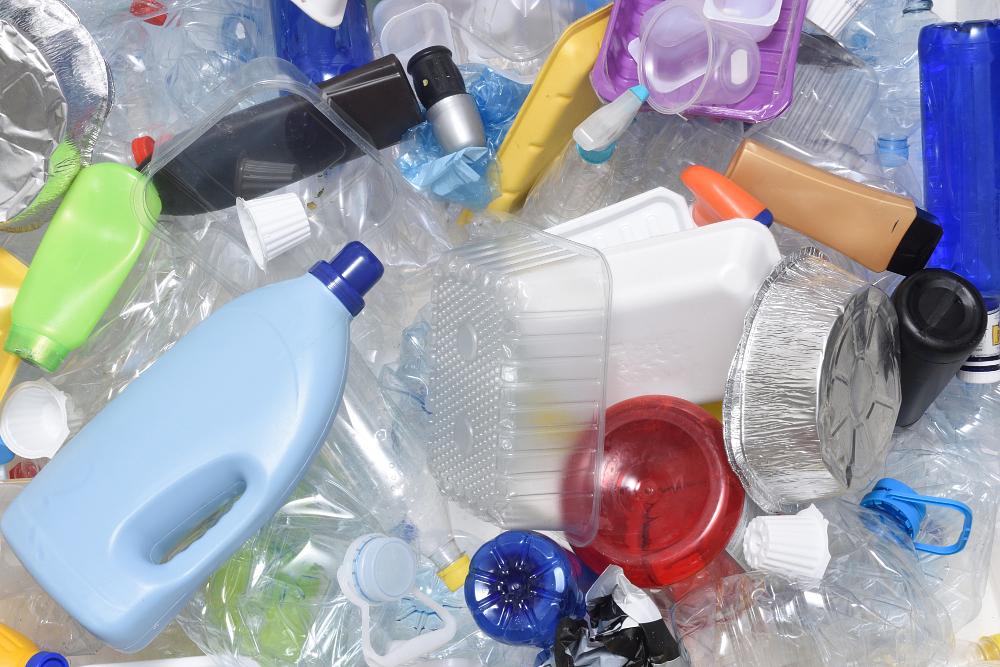
Every facility manager handling municipal or commercial waste eventually runs into the same wall: rising volumes, tighter regulations, and equipment that cannot keep pace with either. The solid waste management challenges facing today's operations are not new in concept, but they are intensifying as landfill space shrinks, labor costs climb, and commodity markets swing unpredictably.
Understanding where these pressures come from, and which practical steps actually relieve them, gives facility leaders a clearer path forward than simply reacting to the next crisis.
Why Solid Waste Management Has Gotten Harder
A decade ago, many facilities could absorb inefficiencies with extra labor or aging equipment and still turn a reasonable margin. That is no longer the case. Landfill tipping fees have risen steadily in most regions, pushing operators to divert more material toward recycling rather than disposal.
At the same time, contamination in single-stream loads has increased as more communities adopt broad, simplified collection programs, meaning sorting lines must work harder to recover clean, sellable commodities.
Layer in a tight labor market for skilled equipment operators and maintenance technicians, and it becomes clear why so many facilities feel stretched thin.
The Most Common Solid Waste Issues Facilities Report
Ask ten facility managers what keeps them up at night, and most will mention some combination of the same recurring solid waste issues. Contamination remains near the top of nearly every list, since even a modest increase in non-recyclable material moving through a sorting line slows throughput and lowers commodity value.
Equipment downtime is another persistent concern, particularly for facilities running older balers or shredders past their expected service life without a structured maintenance plan. Regulatory compliance adds further pressure, as reporting requirements around diversion rates, emissions, and worker safety continue to expand at the state and local level.
Finally, many operations simply lack visibility into their own data, making it difficult to know which parts of the process are actually costing the most.
Waste Management Techniques That Actually Move the Needle
Solving these problems rarely comes down to one fix. Instead, the facilities making real progress tend to combine several waste management techniques rather than relying on a single silver bullet.
- Upgrading sorting technology: Modern optical sorters, screens, and eddy current separators can dramatically improve recovery rates on mixed material, reducing the volume that ends up landfilled simply because it was not separated properly.
- Right-sizing baling and compaction equipment: A machine that was adequate five years ago may now be a bottleneck if incoming volume has grown. Matching baler and compactor capacity to current throughput, rather than historical throughput, prevents backups on the tipping floor.
- Building a preventive maintenance schedule: Reactive repairs are almost always more expensive than planned service. Facilities that schedule hydraulic, wear part, and electrical inspections on a fixed calendar see fewer emergency shutdowns.
- Improving data tracking: Simple changes, like logging tonnage by material stream or tracking downtime causes, reveal patterns that are invisible when everything is judged anecdotally.
- Training staff on contamination reduction: Even the best sorting equipment cannot fully compensate for a collection stream that arrives heavily contaminated, so front-end education for haulers and residents pays dividends downstream.
Should You Buy, Lease, or Rent New Equipment?
One of the biggest decisions facilities face when addressing these challenges is how to acquire the equipment needed to fix them. The choice to buy, lease, or rent depends heavily on cash flow, how confident a facility is in its long-term volume projections, and whether the need is permanent or seasonal.
Purchasing outright makes sense for core equipment that will run daily for years, since ownership avoids ongoing payments once the machine is paid off. Leasing spreads cost over a fixed term and can make sense for facilities preserving capital for other priorities or expecting to upgrade again within a few years.
Renting is often the right call for short-term spikes, pilot programs testing a new material stream, or bridging a gap while primary equipment is repaired or replaced.
Why Outside Expertise Often Pays for Itself
Many of the toughest challenges in this industry are not purely mechanical. They involve layout, workflow, staffing, and long-term planning questions that benefit from an outside perspective. Facilities working through a major upgrade or a persistent efficiency problem often turn to recycling consulting services rather than trying to solve everything internally.
An experienced consulting team can evaluate an entire operation, from infeed to bale storage, and identify where bottlenecks are actually occurring rather than where they are assumed to be.
This kind of plant-level assessment, informed by real operational experience rather than theory alone, frequently uncovers fixes that pay for themselves within a single budget cycle.
Filling Gaps With the Right Support Equipment
It is easy to focus entirely on the headline machines, balers, shredders, and compactors, while overlooking the smaller equipment that keeps a facility running smoothly day to day. Conveyors, screeners, magnets, and other miscellaneous recycling equipment often make the difference between a line that flows and one that constantly backs up.
When evaluating a facility upgrade, it is worth reviewing every stage of the material path, not just the largest capital purchase, since a single undersized conveyor or missing screener can bottleneck an otherwise well-equipped operation.
Building a Realistic Improvement Plan
Facilities that make lasting progress on these challenges tend to follow a similar sequence. They start by identifying where material and time are actually being lost, using data rather than assumptions. From there, they prioritize fixes based on cost and impact, tackling the highest-value changes first rather than trying to overhaul everything simultaneously. Equipment decisions are made deliberately, weighing purchase against lease or rental based on how long the need will last.
And critically, they build in ongoing maintenance and staff training so that improvements do not erode over time. This measured approach tends to outperform reactive, piecemeal fixes applied only after something breaks down.
Looking Ahead: What the Next Few Years Will Demand
The pressures described above are unlikely to ease on their own. Regulatory reporting requirements around diversion and emissions are expanding, not contracting, in most states.
Commodity markets for recovered material will likely keep swinging based on global demand, meaning facilities that rely on a single revenue stream remain financially exposed. Labor shortages for skilled operators and maintenance technicians show no clear sign of reversing either.
Facilities that begin addressing these realities now, through better equipment, stronger data practices, and outside expertise where it is needed, will be far better positioned than those waiting for the next crisis to force their hand. Waiting rarely makes any of these problems cheaper or simpler to solve.
Take the Next Step
If contamination, downtime, or aging equipment are holding your facility back, US Recycling Equipment can help you build a realistic improvement plan. Reach out to our team to discuss where your operation stands today.
FAQs
What is the single biggest solid waste management challenge facilities face today?
Contamination in incoming material streams consistently ranks as one of the most disruptive issues, since it slows sorting lines and reduces the value of recovered commodities.
How do rising landfill fees affect equipment decisions?
As tipping fees increase, more facilities invest in better sorting and baling equipment to divert additional material toward recycling markets rather than paying to landfill it.
Is it better to buy or rent recycling equipment during a facility upgrade?
It depends on the timeline. Permanent, high-use equipment is usually best purchased or leased, while short-term needs or pilot programs are often better served by renting.
How can recycling consulting help with ongoing operational problems?
A consulting review can identify inefficiencies across an entire facility, from infeed to output, that internal teams may not notice because they are too close to daily operations.