

Quick Summary
A 2 ram baler compresses mixed recyclables such as cardboard, plastics, and cans through a dual-ram process that builds higher bale density and faster throughput than single ram machines. Facilities processing varied material streams often choose this configuration to cut hauling costs and reduce the number of machines needed on the floor. Buying, leasing, and renting are all viable paths, and matching the right unit to material volume, floor space, and budget depends on working with an experienced equipment partner rather than picking a machine off a spec sheet.
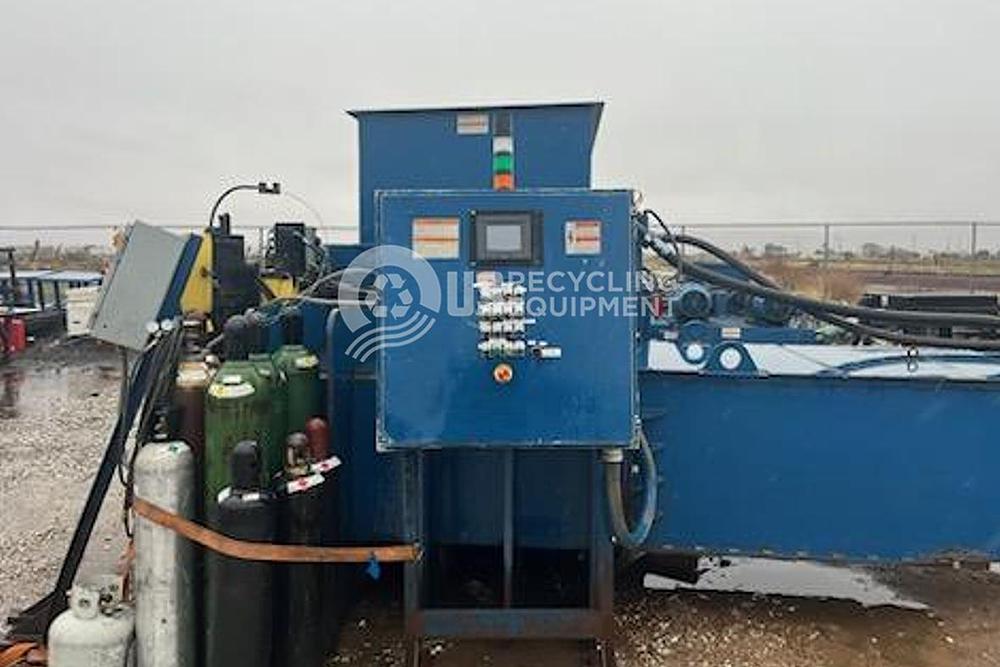
Recycling facilities that handle several material streams at once need equipment built for variety, not just volume. A 2 ram baler is designed exactly for that job. Unlike single-ram machines that push material in one direction only, a 2 ram baler uses a horizontal ram to compress material and a second, perpendicular ram to eject finished bales, allowing it to handle mixed paper, cardboard, plastics, and non-ferrous metals within the same footprint.
For facility managers juggling multiple commodity streams, understanding how this machine works and where it fits into a broader operation is the first step toward smarter capital planning.
How a 2 Ram Baler Works
A two ram system operates in two coordinated stages. The first ram pushes loose or shredded material horizontally into a compression chamber, building density with each stroke. Once a bale reaches target size, a second ram, positioned at ninety degrees to the first, drives the compacted block out through a side or end door and ties it automatically.
This dual action lets the machine bale a wider range of materials than a conventional vertical or single ram horizontal unit, since the second ram can accommodate irregular loads that would otherwise jam a simpler system.
Many facilities running mixed recyclables, from OCC to PET bottles to aluminum cans, rely on this configuration because it reduces the need for multiple dedicated machines.
Why Facilities Choose This Configuration
Throughput is the biggest driver. Because the two ram design bales continuously rather than in a strict start-stop cycle, output per hour is typically higher than what a single ram baler can achieve on the same material. Bale density also tends to be more consistent, which matters when hauling costs are calculated by weight and truckload efficiency.
Facilities that process construction debris, scrap metal, or high volume single-stream recyclables often find that the extra throughput pays for itself within a few operating seasons, particularly when freight and disposal fees are climbing.
Matching the Machine to Your Material Stream
Not every operation needs this level of capacity. Smaller generators moving modest volumes of cardboard may do just as well with a downstroke unit, while high-volume MRFs and transfer stations tend to gain the most from a two ram configuration.
Because every facility's material mix, floor space, and infeed method differ, it helps to work with a team that offers custom recycling solutions rather than a one-size-fits-all recommendation.
A properly engineered layout accounts for infeed conveyors, bale storage, and truck loading dock clearance before a machine is ever installed.
Buying Versus Renting
Capital equipment decisions are rarely simple, especially for facilities testing a new material stream or managing seasonal volume swings.
For operations that are not ready to commit to a full purchase, recycling equipment rental offers a practical middle ground, giving teams access to production-grade balers without the upfront investment of ownership.
This approach is especially useful for facilities piloting a new commodity line, covering downtime while a primary machine is serviced, or handling a short-term contract that does not justify a permanent purchase.
Maintenance and Long-Term Performance
Like any hydraulic equipment, a two ram baler performs best with a consistent maintenance schedule. Hydraulic fluid checks, wear plate inspections, and tie wire system reviews all extend service life and reduce unplanned downtime.
Facilities that pair their equipment purchase with a structured service plan tend to see fewer emergency repair calls and more predictable bale output over the life of the machine.
Choosing a supplier that stands behind the equipment after installation, not just at the point of sale, is often the difference between years of dependable production and repeated costly breakdowns.
Making the Right Investment
Choosing among the many balers on the market comes down to matching machine capability to your actual material stream, throughput goals, and floor plan. A two ram configuration is not the right fit for every operation, but for facilities processing varied, high-volume recyclables, it often delivers the density, speed, and flexibility that single ram or vertical units cannot match.
Ready to Explore Your Options?
If your facility is weighing a new baler purchase, lease, or rental, US Recycling Equipment can help you evaluate throughput needs, floor space, and budget. Contact us today to talk through the right configuration for your operation.
FAQs
How is a 2 ram baler different from a vertical baler?
A vertical, or downstroke baler compresses material in a single vertical chamber and is typically better suited to lower volume operations, while a two ram horizontal machine bales continuously and handles far higher throughput.
Is renting a 2 ram baler a realistic option?
Yes. Many facilities rent to cover seasonal spikes, pilot a new material stream, or bridge a gap while a primary machine is repaired, avoiding a full capital purchase until the need is proven.
What financing options exist for this equipment?
Facilities can typically choose to buy outright, lease over a fixed term, or rent short term, depending on cash flow, projected volume, and how long the equipment will be needed.