Quick Summary
Organic material moves through a clear sequence, starting with measurement and ending with the right processing route. A waste audit reveals where volume actually sits, since organics tend to hide inside general waste rather than announcing themselves. Prevention delivers the strongest return, as recovery downstream offsets only a fraction of what food production originally consumed. Clean separation at the point of generation protects the value of whatever remains, while composting and anaerobic digestion now rank at comparable levels under current federal guidance. Dewatering, sealed containers, and correctly sized equipment then control the weight and moisture that drive hauling costs.
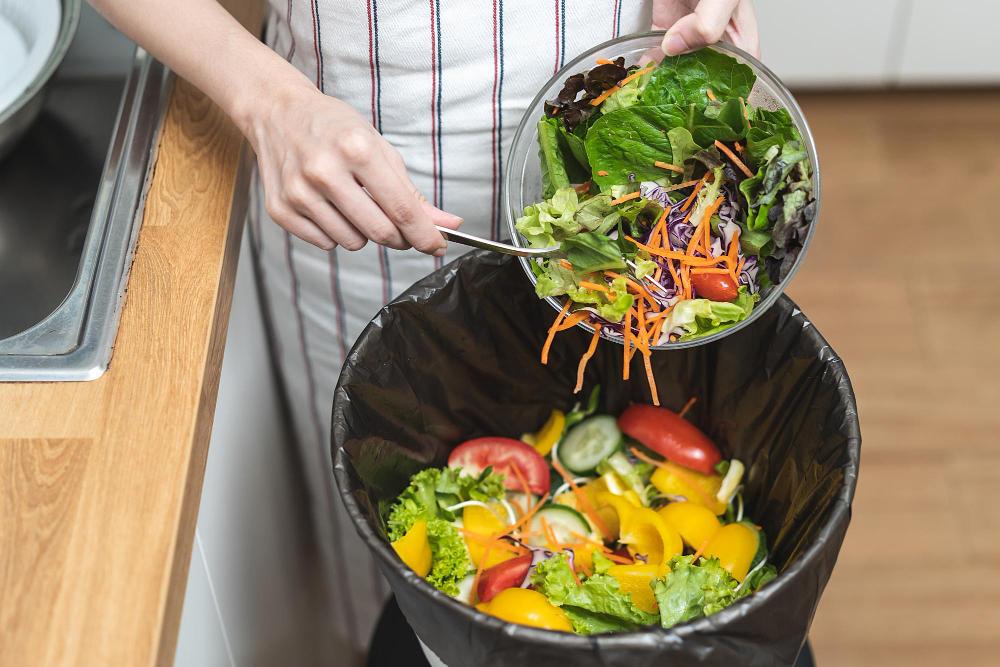
Food scraps and yard trimmings rarely receive the attention that cardboard or aluminum does, though they occupy more room in the national waste stream than either one. Federal figures place food waste above sixty million tons generated annually, which represents more than a fifth of everything thrown away across the country. Only a small fraction of that reaches a composting facility. The rest travels to landfills, where it breaks down without oxygen and releases methane for years afterward. Learning how to recycle organic waste starts with understanding where the material comes from inside your own operation. Let's walk through it.
What Counts as Organic Waste
Definitions here run broader than most operators expect when they first take a close look at what the category actually covers. Kitchen scraps form the obvious core, covering preparation trimmings, spoiled produce, plate waste, coffee grounds, eggshells, and all the bones left behind after portioning work. Yard material belongs to the same family, gathering grass clippings, leaves, branches, brush, and the landscaping debris that builds up across a season. Food-soiled paper often qualifies as well, since a greasy pizza box or a used napkin carries residue that already rules out conventional paper recycling.
Manufacturing and distribution sites add streams of their own through processing byproducts, off-spec product, damaged cases, and expired inventory sitting in cold storage. Federal data ranks food waste as the fourth largest material category in the national waste stream, and yard trimmings follow directly behind it in total annual volume each year.
Auditing What Your Operation Actually Throws Away
Guesswork produces weak programs, so careful measurement comes first in any serious effort. A basic audit involves sampling your containers across several days, separating the contents by category, and weighing each pile before recording the result. The exercise costs a few hours of staff time and delivers the only reliable picture of what your operation truly generates. Results frequently surprise the people who commissioned them, since organic material tends to hide inside general waste rather than announcing itself.
Patterns emerge quickly once real numbers exist on paper. A restaurant might discover that preparation trimmings outweigh plate scrapings by a wide margin, which points toward kitchen technique rather than portion size. A grocery operation often finds that a handful of departments generate the bulk of the volume. Timing deserves attention too, since weekly and seasonal peaks shape how much capacity a program truly needs. That information turns a vague ambition into a plan with defined targets.
Cutting Volume Before It Reaches the Bin
Prevention outranks every downstream option in current federal guidance, and the reasoning behind that particular ranking turns out to be straightforward. Producing food consumes enormous resources, so anything recovered afterward offsets only a fraction of that original investment. Research supporting the current federal scale found that anaerobic digestion recovers roughly twenty percent of the energy required to produce the food it processes. Nothing captured downstream can match the actual value of a case of produce that gets sold instead of discarded.
Practical steps then follow directly from that math once you accept it. Tighter inventory rotation, smaller batch preparation, and better demand forecasting all reduce spoilage well before it starts. Donation moves edible surplus toward people rather than processing equipment, and federal guidance ranks that pathway near the very top of the scale. Upcycling occupies the same tier, turning byproducts into new products intended for human consumption. Each of these keeps material in the role it was originally intended for.
Separating Organics at the Point of Generation
Contamination decides whether a program succeeds or quietly fails, and the deciding moment happens when someone drops material into a container. Clean organics command steady demand from composters and digestion facilities right across the country. Loads carrying plastic film, utensils, or packaging get rejected or downgraded at the gate, which erases the savings the program was built to deliver. Quality sets the price in this market, and buyers move on from unreliable suppliers fairly quickly.
Design carries most of the burden here rather than staff training alone, which surprises plenty of managers. Color-coded containers placed directly beside preparation stations remove the decision from staff hands, since the nearest bin becomes the correct bin. Signage built around photographs works better than written lists, particularly across shifts and languages. Wheeled carts let teams move full loads outside without lifting, and a cart tipper empties them into larger equipment without any manual handling. Regular feedback on contamination keeps standards from slipping once a new program loses its novelty.
Choosing a Processing Route
Federal guidance replaced its decades-old food recovery hierarchy with a newer scale back in 2023, and that update rested on a formal assessment of eleven common pathways. The update reflected newer science along with real shifts in how these facilities operate today. Composting and anaerobic digestion now sit at comparable levels, provided the digestion process puts its residual material to beneficial use. Both routes turn organic material into something genuinely valuable rather than something buried and quietly forgotten.
Composting suits operations with steady yard and food volume, and it produces a soil amendment that improves water retention and structure. Anaerobic digestion works inside a sealed vessel without oxygen, generating biogas alongside a nutrient-rich digestate that can return to farmland. Energy output favors digestion, which explains its rapid growth among large commercial generators. Local infrastructure often settles the question anyway, since a nearby facility with spare capacity beats a superior process located hours away. Landfilling ranks lowest of all, where roughly half the carbon degrades into gas within four years and most of it escapes capture.
Handling And Hauling the Material Efficiently
Weight and moisture together define the logistics of this particular stream from the moment collection begins. Organic material runs heavy and wet, so containers reach legal weight limits long before they ever look full. Hauling costs climb when trucks collect water alongside solids. A container hitting its ceiling at half capacity wastes both the available space and the trip itself.
Equipment addresses that problem directly, and the options scale to fit almost any operation. Screw presses and dewatering systems remove liquid before material leaves the site, cutting both weight and odor in a single step. Sealed containers control drainage and pests, which answers the complaints that sink most organics programs during their first year. Depackaging equipment separates food from its wrapper when expired inventory arrives still boxed and palletized. Grinders reduce bulky yard debris to a consistent size that processing facilities accept without argument. Right-sized containers matched to real generation rates prevent overflow and half-empty pickups alike, so collection frequency follows volume rather than habit.
Making Organics Work for Your Operation
Success with this material follows a consistent order from the first measurement through to the final pickup. Measurement reveals where the volume sits, prevention removes what never needed to exist, separation protects the quality of what remains, and the right processing route captures the value at the end. Skipping the early steps makes every later one harder and more expensive to run. Programs that hold up over the years get built in that sequence rather than assembled from whichever piece happened to feel easiest to start with.
We have spent decades helping commercial operations and municipalities build systems around difficult material. Our screw presses, dewatering equipment, conveyors, and sealed containers handle wet organic streams without the leakage and odor that undermine most programs. We supply new, used, and refurbished equipment along with leasing and rental options, and our technicians cover installation, preventive maintenance, and repairs afterward. Larger facilities can also work directly with our consulting team on a custom system design built around their own material mix.
Reach out to us today and let's design an organics program that holds up under real daily volume.
FAQs
What is the difference between composting and anaerobic digestion?
Both convert organic material into something useful, though by different means. Composting uses oxygen and microbial activity to produce a soil amendment. Anaerobic digestion runs inside a sealed vessel without oxygen, generating biogas alongside a nutrient-rich digestate. Federal guidance now ranks them at similar levels, provided the digestate gets put to beneficial use.
How do I keep contamination out of an organics program?
Container placement does more than training does. Put clearly labelled bins directly beside preparation stations so the nearest container is always the correct one, and use photographs on signage rather than written lists. Check contamination regularly and share the results with staff. Loads carrying film, utensils, or packaging get rejected or downgraded at the gate.
Is separating organics worth it for a smaller operation?
Volume decides that more than headcount does. Run a short audit first, since operations often find organics make up a far larger share of their waste than expected. Diverting that material lowers landfill tonnage and can cut collection frequency. Wet organics also drive up hauling weight, so removing them lightens every remaining pickup.