


Quick Summary
Compression removes the air that makes loose cardboard so bulky, cutting volume by as much as ninety-five percent and returning floor and dock space that carries a real cost in every commercial lease. Denser loads fill containers properly, which stretches the interval between pickups and removes the need for a separate cardboard container rental. Baled old corrugated containers also sell at a better price than loose material, since mills pay for clean, uniform loads. Safety and housekeeping improve alongside the savings, and standard machines run on common power configurations with a single operator loading from the front.
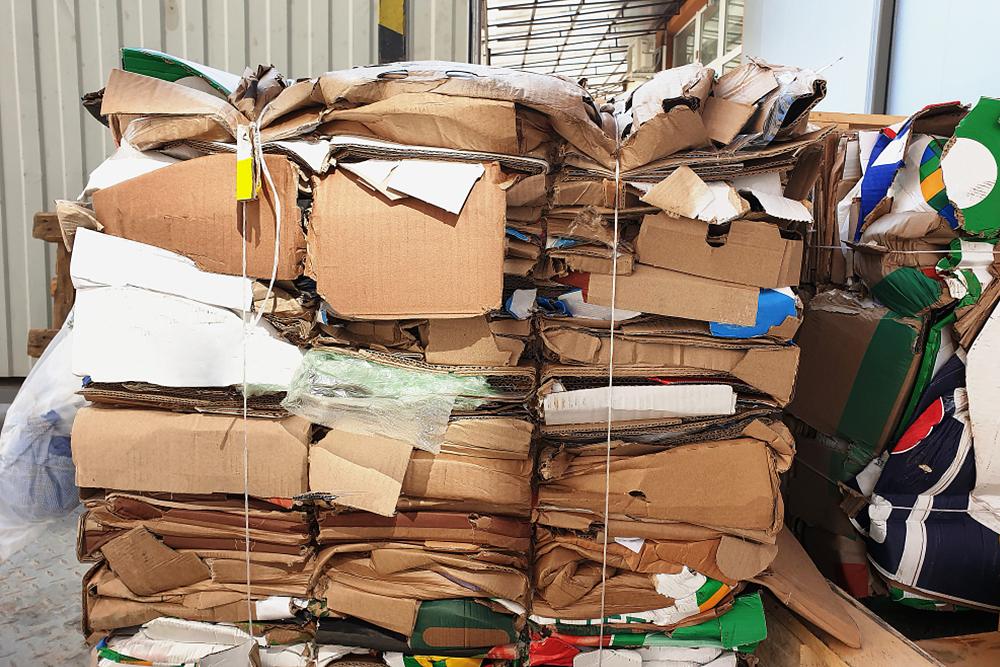
Cardboard arrives at almost every business before anyone decides what to do with it. Deliveries land, boxes get broken down, and the flattened stacks pile up against a back wall until the next pickup. That routine looks harmless, though it quietly consumes floor space, staff time, and hauling budget every week. A vertical cardboard baler changes what happens at that stage of the process. The machine sits where the boxes already accumulate and handles them before they spread.
Here is what the equipment delivers once it lands on your dock.
Reclaiming Floor and Dock Space
Loose boxes take up far more room than their weight suggests, since most of what you store is simply air. Compression removes that air entirely, cutting cardboard volume by as much as ninety-five percent in the process. A stack that once filled a corner of the loading dock becomes a single dense bale sitting neatly on a pallet. Square footage carries a cost in every commercial lease, so the space returned to you holds a real value. Aisles stay clear, dock doors stay usable, and staff stop working around a pile that grows all week long. Operations working with limited back room space tend to feel this particular benefit first.
Cutting Hauling Frequency and Cost
Waste collection charges tend to follow the number of pickups far more closely than the actual weight collected each month. Compressed material fills a container properly, which stretches the interval between visits and lowers the monthly invoice in a direct way. Separate cardboard containers stop being necessary once baling handles the stream on site, which removes a rental line from the budget. Fewer truck trips also mean fewer disruptions at the dock during your busiest hours of the day. Fuel use and emissions drop alongside the cost, which supports sustainability reporting without any additional effort from your team. Operations that once scheduled several weekly pickups often move to a fraction of that frequency after installation.
Turning Cardboard into a Revenue Stream
Old corrugated containers hold genuine market value, and mills across the country buy them consistently throughout the year. Corrugated boxes rank as the single most recycled product nationally at over thirty-two million tons each year, which reflects steady demand rather than a passing trend. Baled material sells at a better price than loose cardboard, since buyers pay for clean, dense, uniform loads that ship efficiently. A sixty-inch machine commonly produces finished bales weighing between eight hundred and one thousand pounds. Keeping the stream separate from general waste protects that quality from the start. What sat on the books as a pure disposal expense begins returning money to the operation instead.
A Safer, More Orderly Back of House
Stacked boxes create hazards that inspectors tend to notice immediately, starting with blocked aisles and partially obstructed exits. Loose cardboard also adds a significant amount of fuel load to any space where it accumulates over time. Baled material stacks predictably against a wall and stays exactly where you put it. Staff also spend far less time flattening, carrying, and restacking the same boxes throughout a shift. Housekeeping standards improve across the whole back room as a result of that single change. Insurance carriers and fire marshals alike tend to look favorably on operations that keep this material under proper control.
Fitting The Space and Staff You Already Have
Installation rarely demands the kind of changes people expect before they look closely into the requirements. Standard models run on common configurations including single-phase and three-phase power, with motors often around ten horsepower. Front loading keeps daily operation simple, and a single person can run the machine without any specialized training. Bale widths range from twenty-four to seventy-two inches, so the footprint can match the room you have. Capital cost also sits well below what larger automated systems require upfront. Operations producing three or four bales on a typical day fit this category very comfortably.
Putting Your Cardboard to Work
Every advantage described here traces back to the same simple act of removing air from a bulky material. Space returns, collection frequency drops, material quality improves, and the stream starts paying for itself instead of costing money. We supply new, used, and refurbished vertical balers sized to match your volume, along with baling wire made right here in the United States to keep those machines going. Our team handles installation, preventive maintenance, parts, and repairs, and we offer leasing and rental options for the times when buying outright does not suit the budget. Larger operations can also work directly with our consulting team on a complete system design built around their volume.
Contact us today and let's size the right baler for the cardboard your operation already produces every week.
FAQs
Is a vertical baler worth it for a smaller business?
Volume drives the decision more than company size does. Operations filling a container with loose boxes more than once or twice a week usually see the fastest return through reduced pickups. Retail stores, warehouses, restaurants, and distribution sites all fit the profile well. A short waste audit will confirm whether the volume justifies it.
What size vertical baler do I need for cardboard?
Size follows your daily output rather than your floor plan. Machines producing three or four bales a day suit most small to medium operations, which generally means monthly volumes up to around fifty tons. Bale widths run from twenty-four to seventy-two inches, so the footprint can be matched to available space.
Can I actually sell the cardboard bales I produce?
Yes, in most markets. Old corrugated containers trade as a commodity, and mills buy them consistently throughout the year. Baled material earns more than loose cardboard since buyers pay for clean, dense, uniform loads. Pricing moves with the market, so revenue varies, though the reduction in hauling cost stays constant.