
Quick Summary
Eleven eco-friendly methods span source reduction, composting, anaerobic digestion, advanced recycling technology, and energy recovery. Each suits a different waste stream, so the right mix depends on what a facility actually generates. Equipment choice follows from that, and the methods that measurably cut landfill volume are rarely the ones a business adopts first.
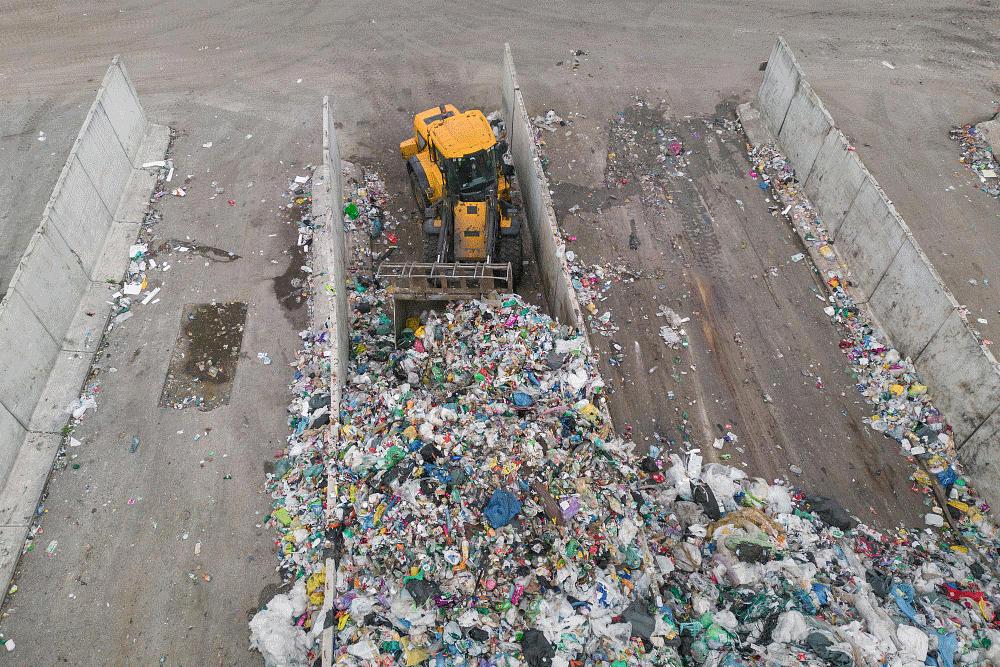
Businesses today face growing pressure, from regulators, customers, and their own bottom line, to manage waste more responsibly. Fortunately, there are numerous eco-friendly methods of solid waste management available to facilities of every size, and most businesses benefit from combining several approaches rather than relying on a single method.
We help facility managers, recycling companies, and waste management firms identify which combination of methods and equipment actually fits their operation. Below, we walk through 11 of the most effective and widely used approaches.
1. Source Reduction
Source reduction is the practice of minimizing the amount of waste generated in the first place, whether through redesigned packaging, bulk purchasing, or process changes that reduce material use. This is consistently ranked as the most effective strategy in the waste management hierarchy because it addresses the problem before waste is ever created, rather than managing it after the fact.
2. Recycling
Recycling remains one of the most widely adopted methods of managing solid waste, collecting materials like cardboard, metal, glass, and certain plastics and reprocessing them into new products.
According to the EPA's most recent national data, the country recycles and composts roughly a third of its municipal solid waste, a figure that underscores both the progress made and the significant opportunity that remains for businesses to improve their own diversion rates.
You can view the full EPA facts and figures report on recycling for additional context.
3. Composting
Composting diverts organic material, such as food waste and yard trimmings, from the landfill by allowing it to decompose naturally into a nutrient-rich soil amendment. For businesses in food service, grocery, or agriculture, composting programs can significantly reduce landfill-bound tonnage while producing a usable byproduct rather than simply disposing of organic waste.
4. Material Recovery Facility Processing
A material recovery facility, or MRF, sorts mixed recyclable material into individual streams using a combination of manual labor and automated equipment like conveyors, screeners, and magnets. This processing step is essential for maintaining the value and purity of recyclable materials, since contaminated or mixed streams are often rejected by buyers or sold at a significant discount.
5. Baling and Compaction
Compacting and baling materials before transport dramatically reduces the volume of waste that needs to be hauled, cutting down on transportation frequency and cost while also making certain materials, like cardboard and metal, more valuable to buyers. This method works hand in hand with recycling, since properly baled material is easier to sell and transport efficiently.
6. Waste to Energy Conversion
Waste to energy facilities burn non-recyclable solid waste under controlled conditions to generate electricity or heat, reducing the volume of material that ultimately reaches a landfill. While this method does not eliminate emissions entirely, modern facilities are equipped with pollution control systems that significantly reduce their environmental impact compared to open burning or unmanaged decomposition.
7. Anaerobic Digestion
Anaerobic digestion breaks down organic waste in an oxygen-free environment, producing biogas that can be captured and used as an energy source, along with a nutrient-rich digestate byproduct. This method is particularly effective for facilities managing large volumes of food or agricultural waste and offers an alternative to traditional composting for certain organic streams.
8. Landfill Gas Capture
For waste that does end up in a landfill, capturing the methane gas produced as organic material decomposes prevents a potent greenhouse gas from escaping into the atmosphere and allows it to be used as an energy source instead. While this method does not reduce the amount of waste sent to landfills, it significantly mitigates the environmental impact of material that cannot currently be diverted elsewhere.
9. Reuse and Donation Programs
Reuse programs extend the life of materials and products before they ever become waste, whether through donation, resale, or repurposing within an operation. Businesses that establish formal reuse channels, such as donating usable equipment or materials rather than discarding them, can meaningfully reduce their total waste footprint without requiring specialized recycling equipment.
10. Hazardous Waste Segregation and Specialized Processing
Properly identifying and segregating hazardous materials, such as batteries, electronics, and certain chemicals, from the general waste stream prevents contamination of recyclable material and ensures hazardous items are processed through appropriate, regulated channels. This method requires specialized handling but is essential for facilities that generate any volume of electronic or chemical waste.
11. Advanced Sorting Technology
Modern miscellaneous recycling equipment, including optical sorters, eddy current separators, and automated screening systems, has dramatically improved the accuracy and efficiency of sorting mixed waste streams. These technologies allow facilities to recover a higher percentage of valuable recyclable material from a mixed stream than manual sorting alone, improving both environmental outcomes and revenue from recovered material.
Choosing the Right Combination for Your Facility
No single method on this list works in isolation, and most successful waste management programs combine several of these approaches based on the specific materials a facility generates. A grocery store, for example, might combine source reduction, composting, and baling, while a manufacturing facility might rely more heavily on MRF processing, advanced sorting technology, and hazardous waste segregation.
Determining the right combination requires an honest evaluation of your facility's waste stream, available space, budget, and long-term goals. This is precisely where professional guidance makes a measurable difference.
Our recycling consulting services at US Recycling Equipment draw on decades of plant operation experience to help facility managers design a waste management strategy that is both environmentally effective and financially sound.
Measuring the Environmental Impact of Waste Management
Choosing eco-friendly methods of solid waste management is only the beginning. Businesses also need practical ways to measure how well each approach is working. Tracking total waste generation, recycling rates, landfill diversion, contamination levels, and material recovery can reveal which programs are producing meaningful results and where additional improvements are needed.
For example, a facility might discover that recycling volumes have increased while overall waste generation has remained unchanged. That result could indicate that recycling efforts are working, but source reduction opportunities have not yet been addressed. Another facility might achieve strong diversion rates but experience high contamination, reducing the value of recovered materials and increasing processing costs.
Regular measurement also helps facility managers make better equipment decisions. Changes in material volumes can indicate when additional baling capacity, sorting equipment, conveyors, or storage containers are needed. Tracking these trends over time creates a clearer picture of operational performance and helps justify future investments.
Professional recycling consulting can bring these measurements together into a practical improvement plan. By examining waste streams, processing methods, equipment performance, and disposal costs, businesses can identify opportunities to reduce waste while improving operational efficiency. The result is a waste management program built around measurable progress rather than assumptions.
The Equipment Question: Buy, Lease, or Rent
Once a facility has identified which methods fit its operation, the next question is almost always how to acquire the necessary equipment. Businesses do not need to purchase every piece of equipment outright, and in many cases it makes more financial sense to buy, lease, or rent depending on projected volume, budget constraints, and how long the equipment will be needed. Piloting a new composting or sorting program with rented equipment, for example, allows a facility to validate the approach before committing significant capital to a permanent installation.
At US Recycling Equipment, our engineering and custom fabrication capabilities mean we can also design and build systems tailored specifically to a facility's layout and material streams, rather than forcing an operation to adapt to off-the-shelf equipment that does not quite fit.
Ready to build a more eco-friendly waste management strategy? Contact our team to start planning your facility's next steps.
Frequently Asked Questions
What is the most effective method of solid waste management?
Source reduction is generally considered the most effective method, since it prevents waste from being generated in the first place rather than managing it after the fact. Recycling and composting follow closely behind as the next most impactful methods for material that cannot be eliminated upstream.
How do I know which waste management methods fit my business?
The right combination depends on the types of materials your facility generates, available space, budget, and regulatory requirements. A recycling consulting evaluation can identify which methods will have the greatest impact for your specific operation.
Is composting practical for a commercial facility?
Yes, particularly for businesses in food service, grocery, or agriculture that generate significant organic waste. Composting programs require some initial planning around collection and storage but can meaningfully reduce landfill-bound tonnage over time.
What is the difference between a material recovery facility and a landfill?
A material recovery facility sorts and processes recyclable material for resale into new products, while a landfill is a permanent disposal site for waste that cannot be recycled, composted, or otherwise recovered. Diverting more material to a MRF reduces the volume that ultimately reaches a landfill.
Should my business buy, lease, or rent waste management equipment?
It depends on your budget, how confident you are in your projected volume, and how long you plan to run the program. Renting or leasing is often a smart way to pilot a new initiative before committing to a full equipment purchase.