
Quick Summary
Recycling cost depends on material type and volume, the equipment used to process it, hauling frequency, and whether that equipment is owned, leased, or rented. Programs need upfront investment, though revenue from baled material and reduced landfill fees often offsets or fully recovers it. Generic estimates rarely match what a specific facility will pay or earn.
For businesses evaluating whether to expand or improve an existing recycling program, one of the first questions that comes up is simple: what does recycling cost, realistically, once equipment, hauling, and labor are all factored in? The answer varies significantly depending on the type of operation, but understanding the core cost drivers helps facility managers budget accurately and identify where they can improve their program's financial performance.
Equipment Costs
The largest upfront expense in most recycling programs is equipment, whether that means a baler, compactor, sorting system, or a combination of machines suited to a facility's specific material stream. The cost of recycling equipment varies widely based on capacity, automation level, and whether a business buys new, buys used or refurbished, leases, or rents.
Purchasing new equipment offers the longest useful life and often the lowest long-term cost per ton processed, but it requires the largest upfront capital outlay. Used or refurbished equipment can reduce that initial cost significantly while still providing reliable performance, particularly for businesses with moderate volume needs.
Hauling and Transportation Costs
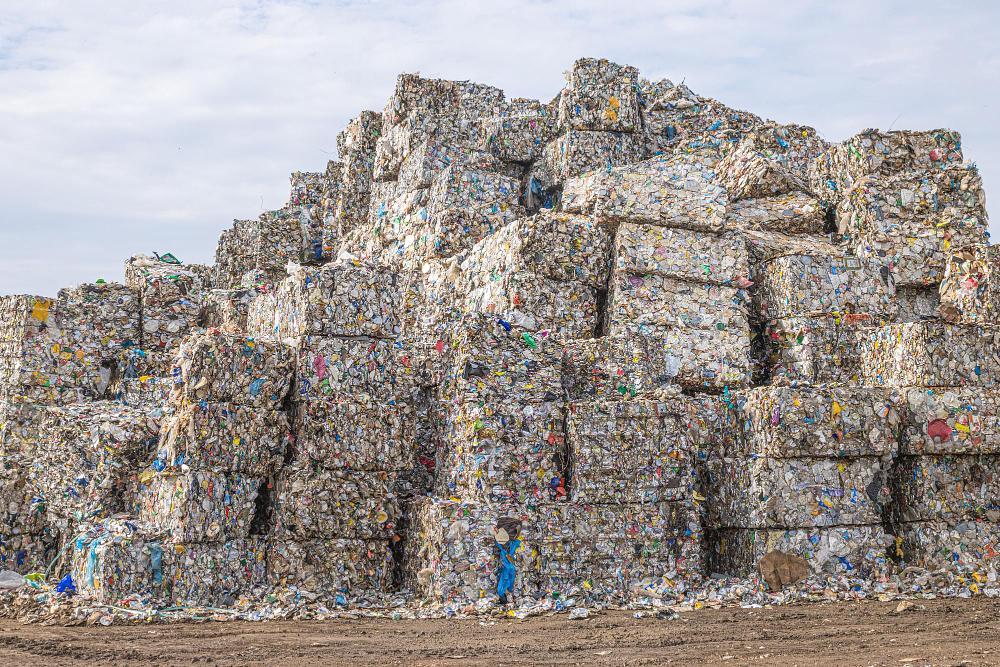
Beyond equipment, hauling represents an ongoing operational cost that directly affects overall recycling expenses. Businesses using loose material collection, without any baling or compaction, pay for more frequent pickups since loose material takes up far more space per ton than compacted material. This is one of the clearest ways equipment investment reduces long-term cost.
A business that bales its cardboard, for example, dramatically reduces the number of pickups required compared to hauling the same volume loose, directly lowering transportation expenses over time.
Revenue From Recyclable Material
While recycling does involve real costs, it also generates real revenue that helps offset those expenses, and in many cases can make a program cash flow positive over time. Baled cardboard, sorted metal, and certain plastics all have market value, and selling this material to mills, brokers, or processors provides a direct financial return that pure waste disposal never offers.
According to the EPA's national data on materials management, recycling and the broader recycling economy contribute meaningfully to job creation and material recovery across the country, underscoring the economic value embedded in properly processed recyclable material.
You can review the EPA's full facts and figures data for more detail on national recycling trends.
Landfill Diversion Savings
Every ton of material diverted from a landfill through recycling is a ton a business does not pay landfill tipping fees on. Depending on location and material type, landfill disposal costs can add up quickly for businesses generating significant waste volume, and a well-run recycling program directly reduces this expense by keeping recyclable material out of the general waste stream entirely.
How Consulting Can Improve Your Cost Structure
So many variables affect total recycling cost, from equipment selection to hauling frequency to market pricing for recovered material, that many businesses benefit significantly from professional guidance when building or refining their program.
Our recycling consulting services at US Recycling Equipment evaluate a facility's entire operation, identifying opportunities to reduce hauling frequency, improve material purity, and select equipment sized appropriately for actual volume, rather than guessing at what a facility needs.
We also offer a full range of miscellaneous recycling equipment and flexible rental arrangements, allowing businesses to test new processes or manage seasonal volume changes without committing to a full equipment purchase before they have validated their approach.
Getting an Accurate Cost Estimate for Your Facility
Recycling cost depends so heavily on facility-specific factors that generic estimates rarely reflect what a particular business will actually pay or earn. The most reliable way to understand your true cost structure is a direct evaluation of your material volume, current hauling arrangement, and available equipment options.
Our team at US Recycling Equipment brings years of plant operation experience to these evaluations, helping businesses see the full financial picture, not just equipment price tags, before making a decision.
Ready to get a clearer picture of your recycling costs? Contact our team for a personalized assessment of your facility's needs.
Frequently Asked Questions
What is the biggest factor in recycling cost for a business?
Equipment selection and hauling frequency are typically the largest cost drivers, since they determine both upfront investment and ongoing operational expenses. Businesses that invest in properly sized equipment, like a baler suited to their volume, often see lower long-term hauling costs as a result.
Can a recycling program actually save my business money?
Yes, in many cases. Revenue from selling recyclable material, combined with reduced landfill tipping fees and fewer hauling pickups, can offset or exceed the cost of equipment and labor over time, particularly for businesses generating consistent volumes of cardboard, metal, or other valuable materials.
Is it cheaper to buy or rent recycling equipment?
It depends on your timeline and volume certainty. Buying tends to offer a lower long-term cost per ton for established, high-volume operations, while renting or leasing can be more cost-effective for businesses testing a new program or managing uncertain or seasonal volume.