

Cardboard Recycling: What You Need to Know
Published:
Quick Summary
Corrugated boxes are the largest single product in the U.S. waste stream, and about 96.5 percent of them were recycled in 2018. Mills pulp recovered cardboard into new packaging, though fibers wear out after five to seven cycles. Clean, dry bales earn better value, vertical balers suit lower volumes while horizontal units serve busy sites, and federal law restricts baler use by workers under 18.
Walk behind almost any store, warehouse or restaurant, and you will likely find tall stacks of flattened boxes waiting for pickup. Steady online orders, grocery deliveries and retail restocking keep that stream flowing every day of the year. Corrugated packaging also ranks among the most valuable materials a business can set aside, since paper mills depend on recovered fiber to make new boxes. Handling cardboard recycling well affects storage space, hauling costs and even workplace safety. Let's look at what every business should know before the next delivery truck arrives.
Why Cardboard Has Such a Strong Recycling Market
Few materials move from trash pile to paid commodity as smoothly as old corrugated containers, known in the trade as OCC. Containerboard producers buy it year round, since recovered fiber gives them a dependable supply alongside fresh wood pulp. Prices rise and fall like any commodity, yet buyers for well-prepared material rarely disappear. Corrugated is also easy to identify, flattens neatly and rarely needs complex sorting, so haulers and recyclers have built reliable collection routes around it. Thanks to that steady demand, the old corrugated container recovery rate hit a record 96.4 percent in 2018, so nearly all corrugated boxes now return to mills instead of landfills, a recovery record few other packaging materials come close to matching.
From Loose Boxes to New Packaging
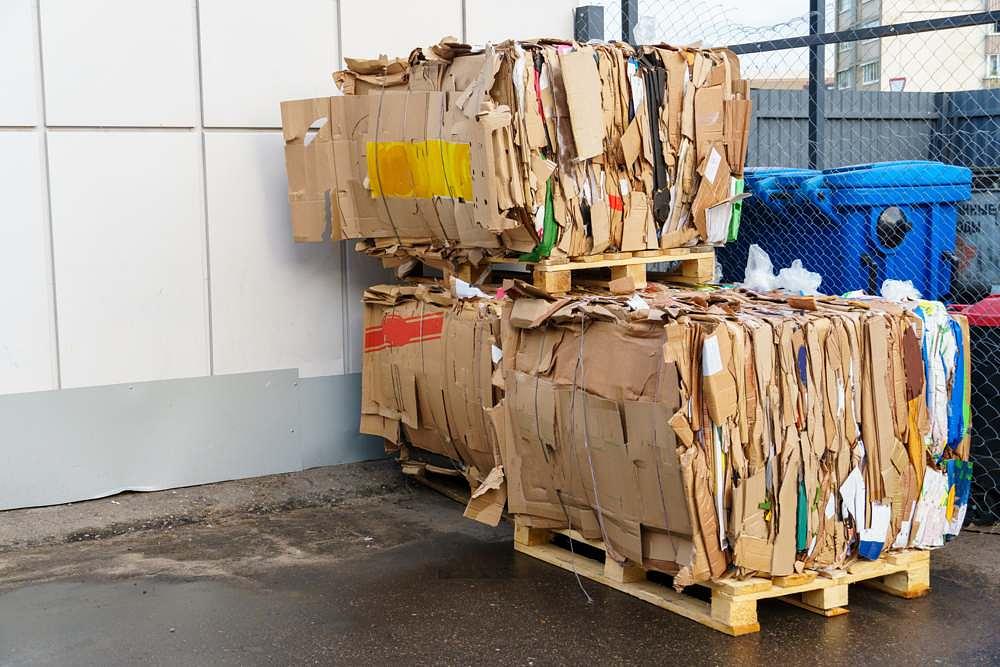
After leaving your loading dock, used boxes usually travel as dense bales to a paper mill. There, the bales go into a pulper, a large vat that mixes the cardboard with water and breaks it down into a fiber slurry. Screens and cleaners pull out staples, tape and other debris before the pulp is pressed, dried and rolled into new linerboard and corrugating medium. Each pass shortens the fibers, and after five to seven cycles they become too short to bond, so mills blend in fresh fiber to keep strength consistent. Tightly packed bales from horizontal balers ship efficiently and are easier for buyers to handle.
Keeping Contamination Out of Every Bale
Clean material earns better prices than dirty material, and a few simple habits make a real difference. Grease-soaked pizza boxes, wax-coated produce cartons, meat boxes and cardboard mixed with food scraps can ruin fiber quality and lower the value of an entire truckload. Stretch wrap, plastic film, foam peanuts, packing pillows and strapping should come off before boxes reach the baler. Packing tape, shipping labels and staples are generally fine, since mills easily screen them out during pulping. Training your staff to break down boxes, keep them dry and separate them from trash at the point of use protects every bale your business produces each week.
Vertical or Horizontal Balers for Your Volume
Matching equipment to output starts with an honest look at exactly how much cardboard your site generates each week. Vertical units, also called downstroke balers, press material from the top down and fit easily into back rooms at convenience stores, restaurants, hotels and hospitals. They suit lower volumes and occupy a small footprint, though staff must load them by hand and tie off each bale. Horizontal machines compress material sideways and often feed from a conveyor or hopper, which makes them a better fit for distribution centers, big-box stores and recycling facilities. Most high-volume models can also tie bales automatically, cutting labor on long, busy shifts.
Baler Safety Rules Every Business Should Follow
Powerful hydraulic rams demand respect, and federal labor law sets clear limits on who may use them. Workers under 18 may never operate or unload a baler or compactor under any circumstances. Sixteen and seventeen-year-olds may load certain machines only when the equipment meets the applicable ANSI safety standard, uses a key-lock switch controlled by an adult and carries a posted notice. Lockout procedures, guarded loading doors and regular checks of safety interlocks protect every operator on the floor, regardless of age or experience. Posting clear instructions beside the machine and retraining staff after each new hire keeps safe habits from fading as your team changes.
Turning Your Cardboard Into a Revenue Stream
Cardboard may look like routine packaging, yet handled with care it becomes a steady commodity that frees floor space and trims hauling bills. Success comes down to clean material, the right baler and staff who know the rules. At US Recycling Equipment, we help businesses build that system with new, used and refurbished vertical and horizontal balers available to buy or lease. Our team brings years of plant operation experience to equipment selection, matching each machine to your volume, space and workflow. We also stock American-made baling wire in 9 to 14 gauge and ship it nationwide, so your bales stay tight between deliveries. For short-term needs, ask about our equipment rental options, and browse our miscellaneous recycling equipment for add-ons that support your baler. If you are not sure where to start, our recycling consulting services can match a system to your volume.
Have a growing stack of boxes out back? Send a message through our contact form or give us a call for a fast, friendly baler quote.
FAQs
Can greasy pizza boxes be recycled with regular cardboard?
Heavily greased or food-soiled boxes usually should stay out of the cardboard stream. Oil and food residue weaken the fibers and can lower the value of an entire bale. Clean sections, such as an unstained lid, can often be torn off and recycled. Check with your hauler or buyer, since acceptance rules vary from program to program.
How much cardboard does a business need before buying a baler?
No single threshold applies, but a baler starts paying off once loose boxes take up valuable floor space or fill a container faster than your pickup schedule allows. Convenience stores, restaurants and hotels often justify a compact vertical baler. Distribution centers and big-box stores with steady, heavy volume usually benefit more from a horizontal model.
Do I need to remove tape and labels before recycling cardboard?
Packing tape, shipping labels and staples can generally stay on the box. Paper mills screen out these small contaminants during pulping. Plastic film, stretch wrap, foam peanuts and strapping should come off before baling, though, since they do not break down with the fiber. Flattening boxes and keeping them dry also helps preserve their value.