


Why It Is Important to Recycle E-Waste Responsibly
Published:
Quick Summary
Global e-waste reached a record 62 million tonnes in 2022, yet less than a quarter was documented as properly recycled. Discarded electronics release toxic substances when mishandled, contain billions of dollars in recoverable metals and can expose sensitive data. Loose lithium-ion batteries cause fires at waste facilities, and Colorado has banned most electronics from landfills since 2013, making responsible recycling a legal requirement.
Phones, laptops, televisions and printers move through homes and offices faster than ever before. Each upgrade leaves an older device behind, and those devices hold a mix of valuable metals, plastics and hazardous substances. Electronic waste has become one of the fastest-growing waste streams in the world, yet a large share of it still ends up in trash bins, storage closets or informal scrap channels. What happens to that material shapes public health, resource supply and even data security for years. So why is it important to recycle e-waste responsibly?
E-Waste Is Piling Up Faster Than It Gets Recycled
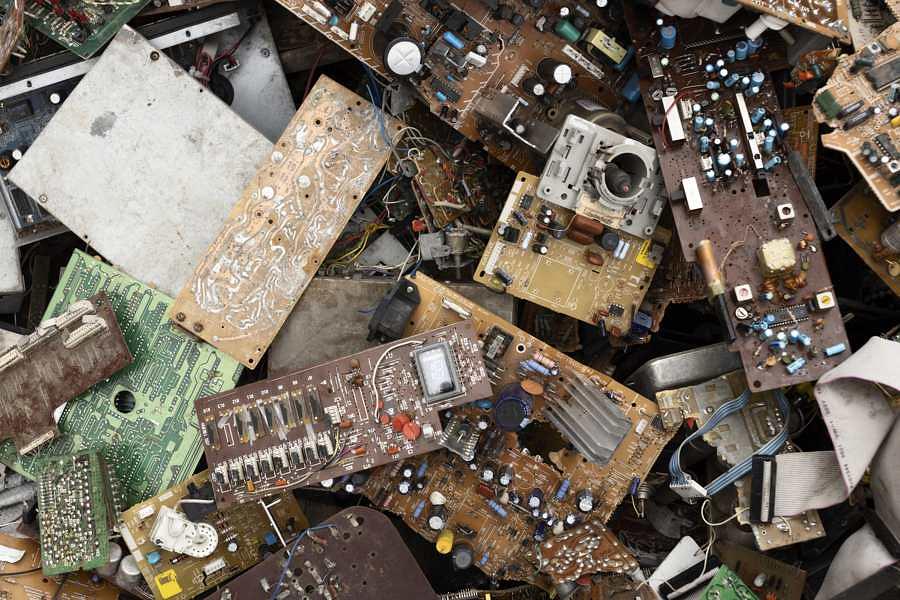
Worldwide, a record 62 million tonnes of electronic waste were produced in 2022, an 82 percent jump from 2010. Projections point toward 82 million tonnes by 2030 if current trends hold, which would add another 20 million tonnes to the annual total. Recycling has not kept pace, with only 22.3 percent of the 2022 total documented as properly collected and recycled. Generation is rising almost five times faster than formal recycling, so the gap widens every single year.
Shorter product lifecycles, cheaper devices, limited repair options and the spread of circuit boards into toys, tools and appliances keep feeding the pile. For processors and municipalities, this trend means steady growth in incoming material, and facilities that plan for higher volumes now will avoid a scramble later.
Old Electronics Carry Hidden Toxic Materials
Circuit boards, screens and batteries contain substances that become dangerous once a device is crushed, burned or left to break down. Lead, mercury, cadmium and brominated flame retardants are among the most common concerns, and each one poses different risks to people and ecosystems. Every year, improper e-waste handling around the world releases an estimated 58,000 kilograms of mercury and 45 million kilograms of plastics containing brominated flame retardants into the environment. These materials can leach into soil and groundwater or reach the air through open burning.
Workers in informal scrap operations often face the highest exposure, since they dismantle devices by hand with little protection. Sending old electronics through a controlled, certified recycling process keeps these hazards contained and away from nearby neighborhoods and waterways.
Discarded Devices Hold Billions in Recoverable Metals
Inside the devices people throw away sits a surprisingly large amount of gold, silver, copper, palladium and rare earth elements. In 2022, discarded electronics contained an estimated 31 million tonnes of metals, along with 17 million tonnes of plastics and 14 million tonnes of glass, minerals and other materials. Poor collection practices left about US$62 billion worth of recoverable resources unaccounted for that year. Recycling those materials reduces the need to mine new ore, which saves energy and cuts the emissions tied to extraction and refining.
Recovery starts with mechanical processing, where shredders break devices down and magnets and eddy current separators pull ferrous and nonferrous metals from the mix. Each recovered pound of copper or aluminum becomes valuable feedstock for new wiring, packaging and electronics.
Your Data Can Outlive Your Device
Hard drives, phones, tablets and office copiers often store far more information than their owners realize. Tax records, customer files, medical forms, passwords and financial statements can all survive on a device long after it leaves the desk. Deleting files or performing a quick reset rarely removes that information completely, and recovery tools can pull it back with surprisingly little effort. For businesses, a single discarded drive can lead to identity theft, regulatory penalties and lasting damage to customer trust. Physical destruction is the most reliable safeguard, since shredding a drive into small fragments makes recovery practically impossible. Responsible e-waste programs treat data security as part of the process from the start, wiping or destroying storage media before any material moves on to dismantling or recovery.
Loose Batteries Start Fires at Recycling Facilities
Small rechargeable cells now power phones, laptops, earbuds, power tools and vapes, and most of them are lithium-ion. When one of them gets crushed or punctured in a collection truck or on a sorting line, it can short-circuit and ignite within seconds. Fires involving these batteries have been documented at waste and recycling facilities across the country, including material recovery facilities, transfer stations, landfills and electronics recyclers.
Damage can range from a smoking conveyor belt to the total loss of a building and its equipment. Keeping batteries out of household trash and curbside recycling bins is the first and simplest line of defense. Inside the facility, trained sorters, battery removal stations and fire detection near shredders and balers help catch the problem early before it spreads.
Colorado Law Bans Electronics From Landfills
Since July 1, 2013, Colorado has prohibited the disposal of electronic devices in landfills under the Electronic Recycling Jobs Act. The ban covers televisions, computers, monitors, printers, fax machines, laptops, DVD players, radios, stereo equipment and video game consoles. Waste haulers may not knowingly collect these items with regular trash, so residents must use collection events, drop-off sites or certified recyclers instead.
Businesses, government agencies and schools already faced stricter rules for electronic waste under state hazardous waste regulations before the ban took effect. For Front Range municipalities and processors, the law created a steady, predictable supply of electronics that needs proper sorting, processing and secure handling. It also means that recycling e-waste responsibly is a legal requirement in Colorado, not merely a good habit.
Building a Safer Path for Your Electronic Scrap
Every discarded device carries both risk and value, and the way it gets handled decides which one wins out. Doing it well depends on having the right machinery in the right layout, run by people who understand the material. As volumes climb, processors that plan their equipment carefully will turn a growing burden into a steady stream of recovered value.
At US Recycling Equipment, we supply industrial shredders, granulators, magnets and separation equipment for e-scrap processors, along with records destruction and shredding systems that turn hard drives into unrecoverable fragments. Our team draws on years of plant operation experience to match each machine to your material, volume and space. When a standard line won't fit, our custom design and system builds service creates a tailored processing setup. Our recycling consulting services can review your material and volume first, and our equipment rental options suit short-term or trial needs. You can also browse our miscellaneous recycling equipment for supporting machines.
Give our Denver team a call, send a contact form or request a quote when you're ready to add electronics recycling or secure destruction capabilities to your facility.
FAQs
What counts as e-waste?
E-waste covers any discarded device with a plug, battery or circuit board. Common examples include phones, laptops, televisions, monitors, printers, tablets, gaming consoles, stereo equipment and small household electronics. Larger appliances and solar panels also fall into the category in many definitions. Batteries inside these devices often need separate handling, since damaged lithium-ion cells can start fires during collection or processing.
Can I throw electronics in the trash in Colorado?
No. Since July 1, 2013, Colorado's Electronic Recycling Jobs Act has banned the landfill disposal of most electronic devices, including televisions, computers, monitors, printers, laptops and video game consoles. Waste haulers may not knowingly collect these items with regular trash. Residents should use community collection events, drop-off sites or certified recyclers, while businesses follow stricter hazardous waste rules.
Does recycling electronics protect my data?
Recycling alone does not guarantee data security. Deleting files or running a factory reset often leaves recoverable information behind on drives and memory chips. The safest approach combines certified data wiping with physical destruction, such as shredding hard drives into small fragments. Businesses should keep records of destruction for compliance purposes and choose recyclers that document every step of the process.