
Selecting the best trash compactor for your operation directly impacts efficiency, cost control, and daily workflow. Businesses that handle high waste volumes cannot afford to rely on outdated systems or poorly matched equipment.
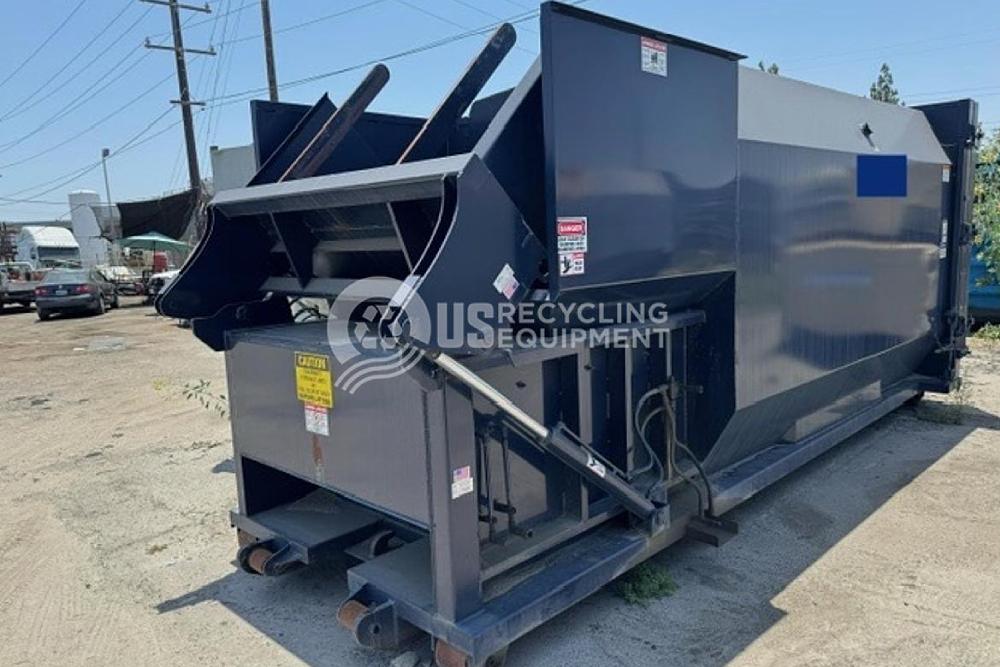
Diligent organizations begin by evaluating available trash compactors to determine which models are in keeping with their waste output and facility requirements. Some compare different types of compactors to identify the right fit for specific materials and operational demands.
Budget-conscious companies may also consider a refurbished compactor as a practical alternative without sacrificing performance. Long-term reliability depends heavily on proper preventative maintenance, which protects equipment and supports consistent operation.
Why Choosing the Right Compactor Matters
A trash compactor is more than a convenience. It plays a key role in controlling waste volume, reducing hauling frequency, and keeping workspaces organized. Choosing the wrong unit can lead to frequent breakdowns, inefficient processing, and unnecessary expenses.
Facilities that generate large amounts of waste need equipment that can keep pace with daily demands. Undersized machines become overloaded, leading to overflow issues and increased labor. Oversized systems can result in unnecessary upfront costs and underused capacity.
Selecting the best trash compactor helps keep waste handling efficient without creating bottlenecks. This balance keeps operations steady while limiting disruptions.
The Different Types of Compactors
Not all compactors operate the same way. Each design serves a specific purpose based on the type of waste being processed and the environment in which it operates.
Self-contained compactors work well for wet waste applications, such as food service operations or facilities handling organic materials. These units help prevent leaks and maintain sanitation standards.
Stationary compactors are better suited for dry waste, including cardboard and general refuse. They are often paired with separate containers that can be hauled away when full.
Vertical compactors are commonly used in locations with limited space. These units deliver a strong compaction force within a smaller footprint, making them a good fit for retail environments or smaller facilities.
Understanding how each type functions helps narrow the options and confirm that the equipment aligns with operational needs.
Matching Equipment to Waste Volume
Waste volume is one of the most important factors when selecting a compactor. Businesses must evaluate how much material they generate on a daily or weekly basis.
High-volume operations require machines with greater capacity and stronger compaction force. These systems reduce pickup frequency and lower transportation costs. Smaller operations may benefit from compact units that handle moderate waste levels without taking up too much space.
Accurate volume assessment prevents costly mistakes. Equipment that cannot keep up with demand creates inefficiencies, while oversized systems tie up capital unnecessarily. A well-matched compactor supports smooth operations and consistent performance.
Considering Space and Layout
Facility layout plays a big part in equipment selection. The available space determines what type of compactor can be installed and how it will be used within the workflow.
Indoor installations require careful planning to ensure proper ventilation, access, and safety. Outdoor setups must account for weather exposure and accessibility for waste haulers. Placement should allow for easy loading while minimizing disruption to daily operations.
A poorly positioned compactor creates unnecessary challenges for employees. Thoughtful placement improves efficiency and reduces handling time, making the entire waste management process more effective.
Evaluating Cost Beyond the Initial Investment
The cost of a compactor extends beyond the purchase price. Businesses must consider long-term expenses, including maintenance, repairs, and operational efficiency.
Lower-priced equipment may seem appealing at first, but frequent breakdowns and reduced performance can lead to higher costs over time. Investing in a reliable system often delivers better value in the long run.
Some companies explore refurbished options to balance cost and performance. A well-maintained unit can deliver strong results while reducing upfront expenses. This approach allows businesses to access quality equipment without exceeding budget constraints.
The Importance of Equipment Durability
Durability is also an important topic when selecting a compactor. Equipment must handle consistent use without compromising performance. Heavy-duty construction, high-quality components, and proven engineering all contribute to long-term reliability.
Machines that fail under pressure create operational disruptions and increase repair costs. Reliable equipment supports consistent waste processing and reduces the risk of downtime.
Durability also impacts safety. Well-built systems operate more predictably, reducing hazards for employees and creating a more secure work environment.
Maintenance and Long-Term Performance
Ongoing care matters greatly in how well a compactor performs over time. Regular servicing keeps components in good condition and reduces the likelihood of unexpected failures.
A structured preventative maintenance program helps identify potential issues before they escalate. Routine inspections, timely repairs, and proper servicing extend the lifespan of the equipment and protect the investment.
Maintenance planning also improves efficiency. Equipment that operates smoothly processes waste more effectively, reducing delays and keeping operations on track.
Customization for Specific Business Needs
Every business operates differently, which means equipment selection must reflect specific requirements. Waste type, facility layout, and operational goals all influence the final decision.
Customization may involve selecting specific features, adjusting compaction force, or choosing configurations that fit a unique workflow. Businesses that take a customized approach
frequently achieve better results than those relying on generic solutions.
Professional guidance can simplify this process. Instead of going through countless options alone, companies gain insight into what will work best for their operations. This leads to more confident decisions and stronger performance.
Avoiding Common Selection Mistakes
Choosing a compactor without proper evaluation often leads to costly mistakes. One common issue is selecting equipment based simply on price. This approach ignores long-term performance and reliability.
Another mistake involves underestimating waste volume. Businesses that choose smaller systems may face constant overflow issues, while oversized units create unnecessary expenses. Poor planning in terms of placement and accessibility also creates problems that impact efficiency.
Careful evaluation and expert input help prevent these issues. A well-educated decision helps make certain that the equipment meets both current and future needs.
Why Businesses Trust US Recycling Equipment
We work with businesses that need dependable solutions for managing waste efficiently. Our team brings extensive experience in equipment selection, system design, and operational planning. We focus on helping companies find the right compactor for their specific needs while maintaining cost control.
Our inventory includes a wide range of compactors designed for different applications and industries. We guide clients through the selection process by evaluating waste volume, facility layout, and operational goals. This approach means that every recommendation will meet real-world requirements.
We also support long-term performance through service planning and expert insight. Our team knows how equipment functions in active environments, allowing us to recommend solutions that deliver consistent results.
Every system we offer is backed by practical knowledge and a commitment to quality.
If you have any questions about US Recycling Equipment or need help choosing the right compactor for your business, please reach out to us today.