
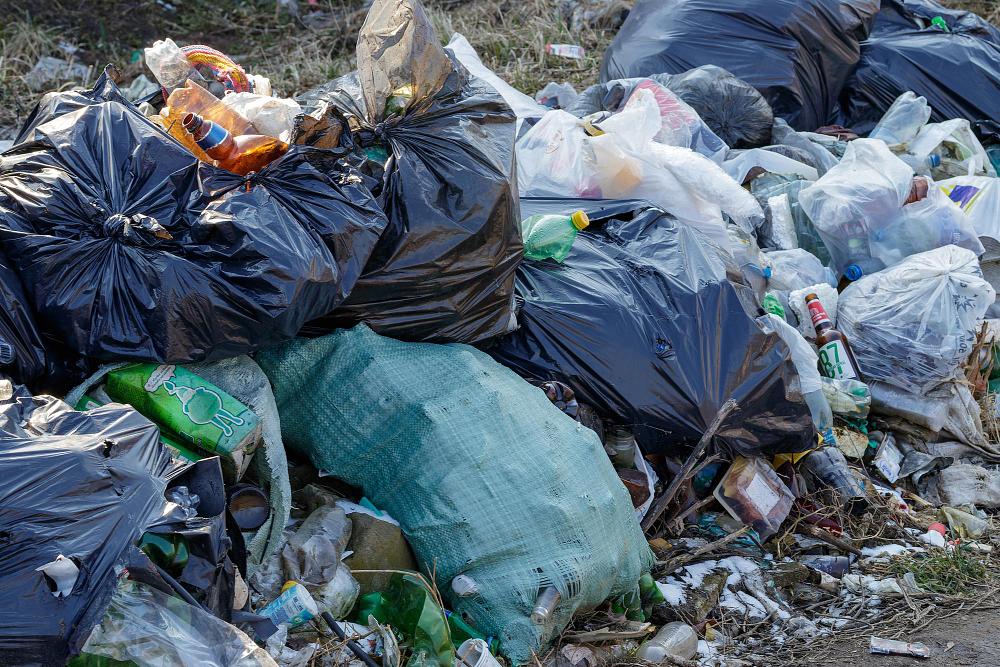
A business may ask, “What is illegal dumping?” and look for clarity on how it impacts daily operations, expenses, and compliance requirements. Illegal dumping refers to the unauthorized disposal of waste in locations that are not approved or permitted for proper handling.
Companies that rely on rental solutions for waste handling must stay aware of how materials are stored and removed from their sites. Organizations using large containers also need structured processes to prevent misuse or overflow that could lead to violations.
Some operations turn to MRF consulting to enhance sorting, material flow, and disposal practices that reduce risk exposure.
Defining Illegal Dumping in Commercial Settings
Illegal dumping occurs when waste is discarded outside approved systems. This includes leaving materials in vacant lots, placing items near dumpsters without authorization, or disposing of restricted materials in standard waste streams.
Commercial environments face increased scrutiny due to the volume and type of waste generated. Improper disposal may involve hazardous materials, bulk items, or recyclable commodities that require separate processing. Each violation creates potential legal consequences and operational setbacks.
Understanding “What is illegal dumping?” helps businesses avoid actions that may trigger penalties or harm their reputation.
Why Illegal Dumping Happens
Any number of things can contribute to illegal dumping in business environments. Limited access to proper disposal systems often leads to poor decisions. When facilities lack adequate equipment or capacity, overflow becomes more likely.
Cost concerns also influence behavior. Some organizations attempt to avoid hauling fees by disposing of materials improperly. This short-term thinking often results in higher expenses later due to fines, cleanup costs, and operational disruption.
Lack of oversight is another thing. Without clear accountability or monitoring, waste handling practices can become inconsistent, increasing the chance of violations.
The Consequences for Businesses
Illegal dumping carries serious consequences that extend beyond immediate fines. Regulatory penalties can be considerable, especially for repeat violations or improper disposal of restricted materials.
Cleanup responsibilities fall on the business involved, which can lead to unexpected expenses and operational delays. In some cases, companies may also face legal action depending on the severity of the violation.
Reputation damage is another concern. Businesses associated with improper waste practices risk losing trust with customers, partners, and local communities. This impact can be difficult to reverse and may affect long-term growth.
How Equipment and Planning Reduce Risk
A structured waste system is one of the most effective ways to prevent illegal dumping. Proper equipment allows businesses to manage material flow efficiently and maintain organized disposal practices.
Adequate container capacity prevents overflow situations that often lead to improper placement of waste. Well-designed systems also separate materials correctly, reducing confusion among employees and improving overall handling.
Professional planning helps businesses match their equipment with actual waste output. This approach minimizes gaps that could lead to improper disposal and keeps operations running smoothly.
The Importance of Operational Oversight
Consistent oversight helps make certain that waste handling practices remain compliant and efficient. Employees must follow clear procedures when disposing of materials, and management must reinforce these standards.
Regular monitoring helps identify issues before they escalate. Observing how waste is handled on a daily basis allows businesses to correct problems quickly and maintain control over their operations.
Training also plays a part in preventing illegal dumping. When employees know expectations and consequences, they are more likely to follow proper procedures.
Strengthening Waste Management Strategies
Businesses that take a proactive approach to waste management lower the risk of violations. This includes reviewing current systems, identifying inefficiencies, and making adjustments that enhance performance.
Working with experienced professionals helps companies refine their approach. Guidance on equipment selection, layout, and material handling builds a stronger foundation for compliant operations.
Improved strategies not only reduce risk but also strengthen cost control and operational efficiency. A well-structured system supports every aspect of waste handling.
A Smarter Approach Starts with the Right Partner
We work with businesses that need dependable solutions to manage waste effectively while avoiding unnecessary risk. Our team brings real-world experience in equipment selection, system planning, and operational improvement.
We help clients line up their waste handling systems with their actual needs, reducing the chance of overflow, improper disposal, and compliance issues. Our approach focuses on building efficient systems that support consistent performance across daily operations.
Our experience allows us to recommend practical solutions that improve material handling and keep waste processes organized. Every recommendation is based on real operational demands, not assumptions.
If you have any questions about US Recycling Equipment or want to improve how your business handles waste, please contact us today.