
Managing waste on a construction site is a key part of keeping the job safe and on schedule. Choosing the right construction dumpster for your project helps you avoid extra fees and wasted time. If you are tearing off a roof, clearing land, or remodeling an office, having the right container makes all the difference.
Different projects create different kinds of debris, and the three main types you will encounter are roll-off dumpsters, front-load containers, and rear-load containers. Each one serves a specific purpose. For short-term needs or temporary projects, exploring a dumpster rental option can be a flexible and cost-effective choice.
Roll-Off Construction Dumpsters
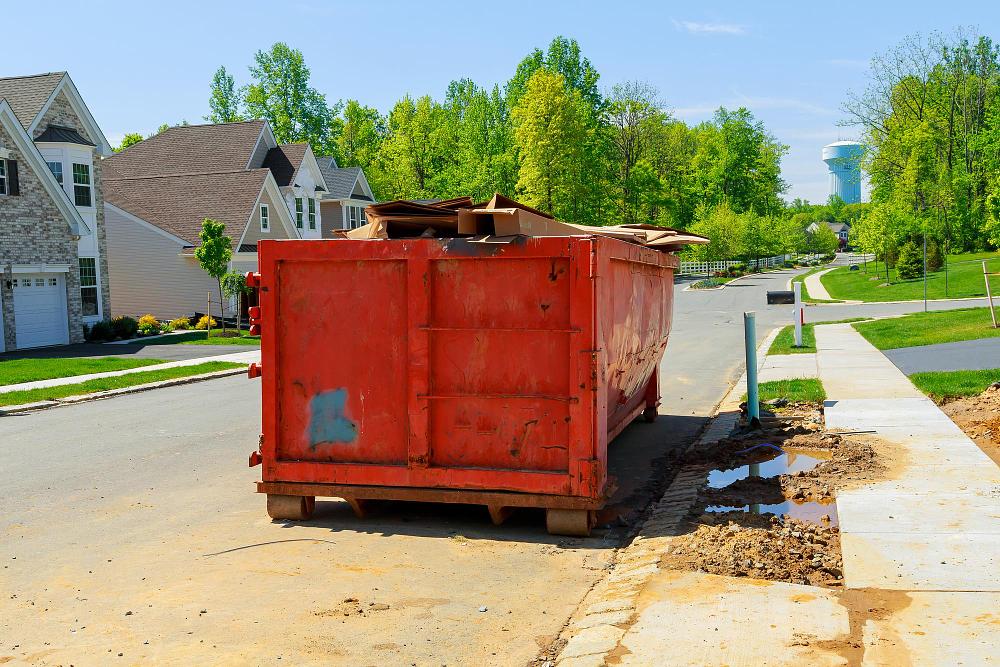
The most common container you will see on active job sites is the roll-off dumpster. These large, open-topped bins have wheels built into the bottom, which allows a special truck to roll them off the bed and onto your site. They are built for temporary use. A company delivers an empty bin, you fill it up over days or weeks, and then the truck comes back to haul it away. At US Recycling Equipment, we make sure our roll-off bins are maintained for peak site safety.
Roll-off dumpsters are ideal for handling bulky materials like drywall, lumber, siding, and old fixtures. They come in a range of sizes, typically from 10 to 40 cubic yards. A 10-yard bin works well for small bathroom remodels or concrete removal. A 20-yard container is a popular choice for kitchen renovations or roofing jobs.
For major demolition or new construction, a 30 or 40-yard bin holds the most material. Some roll-offs are designed for specific loads, such as "dirt dumpsters" for yard debris or clean concrete bins for recycling purposes. We offer a wide range of dumpster containers to fit projects of any scale.
Front-Load Dumpsters for Daily Waste
Front-load dumpsters are the ones you typically see behind restaurants, retail stores, and apartment buildings. They are smaller than roll-offs, usually holding between 2 and 8 cubic yards. These containers have a slanted lid and special slots on the sides. A truck with forks on the front lifts the dumpster overhead and empties the contents into its hopper.
For construction projects, front-load dumpsters are not usually the best choice for heavy debris. But they work well for the daily trash generated by the crew. Things like lunch waste, empty water bottles, and paper packaging can go in a front-load bin. These dumpsters are often rented on a long-term basis with scheduled pickups once or twice a week. They help keep the site clean without taking up too much space.
Rear-Load Dumpsters for Tight Spaces
Rear-load dumpsters look different from front-load containers. They have a slanted back and a hinged door. A truck hooks onto the back of the dumpster and uses a winch to pull it up and dump the waste in. These bins can hold a bit more than front-load models, and their taller design fits into narrow alleys or tight loading docks.
On a construction site, a rear-load dumpster might be used for general site trash or lighter debris. Loading them can be a little harder because of the high back wall. But they are a solid option when space is limited and you need a container that does not stick out too far. Like front-load bins, these are often kept on site for longer periods with regular service.
Choosing the Right Size and Type
Selecting the right container comes down to understanding your waste stream. For heavy materials like concrete or dirt, choose a smaller roll-off to stay within weight limits and avoid overage fees. For bulky, lightweight waste like drywall or old furniture, a larger bin gives you the volume you need without the weight risk.
How to Avoid "Free Dumpster" Scams
When searching for containers online, you might come across ads promising a free dumpster. It is important to understand that dumpster rental is a service, and companies cannot stay in business by giving away equipment for free. These ads are often misleading. What they usually mean is that the rental cost is bundled into a flat fee, or that there are no hidden charges at pickup.
Sometimes, the word "free" refers to a promotion where delivery is free with a minimum rental period. Always read the fine print and ask questions. A legitimate company will be upfront about all costs, including delivery, rental period, weight limits, and any potential overage fees. In case an offer sounds too good to be true, it probably is. There are no truly free dumpsters, but you can find fair, transparent pricing from reliable providers.
Moving Forward with Your Project
Choosing the right dumpster keeps your job site safe and your project moving. We offer a full range of containers and flexible rental terms. In case you need a small bin for a weekend cleanup or a large roll-off for a major construction job, we can help. Our team can answer your questions about sizing, placement, and prohibited items.
We also offer expert advice for larger operations. Our MRF consulting services can help large-scale facilities design the best layout for their bins and waste streams.
Contact US Recycling Equipment today to schedule your delivery and keep your next project on track. We are here to help you get the job done right.