


Quick Summary
Modern building projects generate massive volumes of heavy debris that require structured, multi-tier management to maintain safe jobsites and control disposal fees. Successful site logistics sort materials before bulk hauling trucks transport the remaining mixed waste to specialized processing plants. High-capacity mechanical separation systems extract valuable commodities from raw debris. Implementing organized protocols lowers total landfill overhead while keeping dynamic building zones clear of dangerous material accumulation.
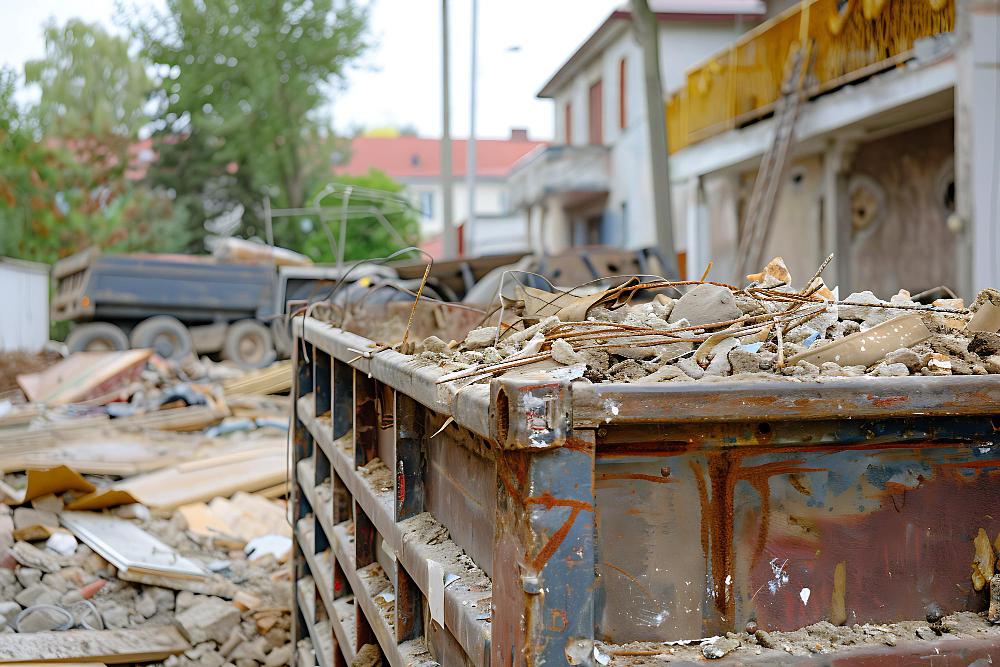
Managing a busy construction site means dealing with a massive amount of waste every single day. As walls go up and old structures come down, piles of drywall, wood offcuts, scrap metal, and concrete chunks build up fast.
If you let this trash sit around, it quickly turns into a safety hazard, blocks your crew from moving around easily, and slows down the entire project schedule. Getting rid of it efficiently takes more than just throwing everything into a random pile and hoping for the best. A smart approach to construction trash removal keeps your jobsite clean, protects your budget from high landfill fees, and ensures you salvage valuable materials that can be recycled.
How Construction Debris Moves From Jobsite to Recovery
Clearing out building waste involves a clear chain of events that starts right on the ground and ends at specialized processing centers. When each step is handled correctly, the materials move smoothly without creating bottlenecks for the construction crew.
Sorting Materials Directly on the Ground
The most effective way to handle waste is to sort it the moment it is thrown away. Instead of mixing concrete blocks, copper pipes, and wood scraps into one messy pile, workers separate them into designated areas right away.
Keeping metal away from wet concrete or loose dirt makes it much easier to recycle later on. This initial sorting saves hours of extra labor down the line and keeps valuable scrap materials from getting ruined by mixing with general garbage.
Setting Up the Right Bins for the Job
To handle the constant stream of debris, a site needs the right containment setup in strategic locations. Booking the correct rental sizes for your specific project prevents bins from overflowing and keeps the site orderly.
Heavy materials like brick and concrete require smaller, thicker steel boxes so the truck can legally lift them, while lighter trash like cardboard can go into larger, high-volume bins. Placing these bins close to the work areas means your crew spends less time walking back and forth across the site just to throw things away.
Hauling the Material off the Site
Once a bin is full, the logistics team schedules a quick swap to keep operations moving. Large roll-off trucks come on-site, secure the loaded containers, cover them with heavy tarps to prevent debris from flying out on the highway, and haul them away.
This phase requires good timing so that trucks are not trying to navigate tight site gates during peak worker shifts or heavy traffic hours. Quick, dependable swaps mean empty bins are always ready when the crew needs them.
Separating the Debris with Heavy Equipment
After leaving your site, the mixed waste arrives at a processing plant where mechanical systems take over. Heavy equipment dumps the material onto large conveyor systems that pass through various mechanical sorters, magnets, and air blowers.
Magnets pull out steel rods and beams, while air currents separate light plastics and paper from heavy rock and concrete. This automated separation ensures that the facility extracts every single piece of recyclable material before throwing away the actual trash.
Turning Old Scrap into New Raw Materials
The final step in the chain is transforming the recovered items into useful products. Clean wood scraps go into commercial shredders to become mulch or material for manufactured particleboard.
Concrete and brick get crushed down into aggregate stone that crews use for road bases and new foundations. Scrap metals like copper wires and aluminum frames are melted down to create brand-new plumbing and structural parts, keeping these heavy materials out of the local landfill.
Smart Facility Planning for Better Waste Recovery
Getting the best results out of your waste system takes a bit of planning before the heavy building work even begins. Knowing what materials you will generate helps you stay on top of the logistics and control your overall disposal costs.
Guessing Waste Volumes Ahead of Time
Before a crew starts demolition or framing, it helps to review the project blueprints to estimate what kind of waste will pop up. Figuring out the rough volume of drywall, timber, and masonry allows you to order the right number of bins ahead of time. Anticipating unique materials, like old insulation or treated wood, ensures you do not accidentally mix them with standard recycling streams and ruin a whole batch.
Layout Strategies for Processing Plants
Designing an efficient layout for processing centers is a complex task that requires an understanding of how raw commodities move through a facility. US Recycling Equipment offers practical machinery engineering, custom fabrication, and hands-on MRF consulting to optimize high-volume material separation systems.
We design straightforward sorting layouts that use conveyors, magnets, and separation screens to speed up daily production. Our engineering team works directly with operators to cut down on manual sorting labor and increase the purity of your recovered materials.
Keeping Track of Your Recycling Receipts
Many local governments and green building programs require projects to prove how much waste they actually recycled. Keeping all your receipts and weight tickets from the recovery center provides clear proof that your debris bypassed the landfill.
Tracking these records protects your project from municipal fines and helps you hit your company’s environmental goals. This historical data also gives your team highly accurate numbers to use when bidding on future construction contracts.
Practical Reminders for Jobsite Waste
- Always place heavy concrete bins on thick wooden boards to protect the underlying asphalt from cracking under extreme weight.
- Put covers over open bins during heavy rainstorms so porous wood and drywall do not soak up water and inflate your hauling fees.
- Keep pressure-treated wood completely separate from clean lumber since the chemical preservatives mean it cannot be shredded into standard garden mulch.
- Keep a clear, safe perimeter around all loading areas during truck swaps so ground workers stay well away from lifting machinery.
Reliable Systems for Your Next Project
Keeping a major construction project on schedule while handling tons of daily waste requires a dependable setup that does not break down. Utilizing the right separation tools and heavy-duty bins prevents debris from becoming an expensive logistical headache on your jobsite. Investing in durable processing hardware and smart site planning keeps your daily operations clean, safe, and highly profitable.
Our team is ready to design and deliver practical recycling machinery built for your specific volume needs and spatial limits. Get in touch with our technical team today to talk about custom fabrication options and sorting systems that simplify your waste management.
FAQs
What is the difference between clean debris and mixed construction waste?
Clean debris refers to single materials that have not been mixed with trash, such as bare wood, unpainted concrete blocks, or clean metal pipes that can go straight into recycling machines. Mixed waste contains a combination of trash, food scraps, chemicals, or treated lumber that requires extra handling and cannot be easily recycled.
How do concrete and brick scraps get turned into new building supplies?
Masonry debris goes to a processing plant where heavy machines crush the blocks into small, uniform gravel. After screening out tiny dirt particles, companies use this recycled aggregate as a stable base layer for new roads, driveways, and concrete foundations.
Why do jobsites need to separate drywall from other trash?
Drywall contains gypsum, which can release a foul-smelling, dangerous gas if it gets wet and breaks down mixed with regular garbage in a landfill. Separating it allows specialized plants to strip away the paper backing and grind the gypsum into a powder for new wallboards or agricultural soil treatments.