
Quick Summary
Municipal recycling programs rely on a coordinated system of curbside collection, mechanical and optical sorting, and baling equipment to recover clean commodities from residential waste streams. Contamination, fluctuating commodity markets, and aging equipment remain the most persistent challenges, particularly as many facilities also process commercial waste through the same lines. Cities evaluating upgrades often benefit from independent consulting review, which can identify practical improvements to sorting technology and supporting equipment like conveyors and screeners without requiring a full facility rebuild.
Nearly every resident interacts with municipal recycling without ever seeing what happens after the truck pulls away from the curb. Behind that simple weekly pickup sits a complex system of collection routes, sorting facilities, and equipment working together to recover as much recyclable material as possible while keeping costs manageable for the city or county running the program.
Understanding how this system actually functions helps facility operators, city officials, and even engaged residents appreciate both its value and its limitations.
How Municipal Recycling Programs Are Structured
Most cities operate one of two basic collection models. Single-stream programs allow residents to place all recyclables in one bin, which are then separated later at a processing facility. Dual-stream programs ask residents to separate paper from containers before pickup, reducing contamination but requiring more effort from households.
Single-stream has become the dominant model in recent decades because it increases participation rates, even though it places more burden on downstream sorting technology to separate mixed material accurately.
What Happens After Collection
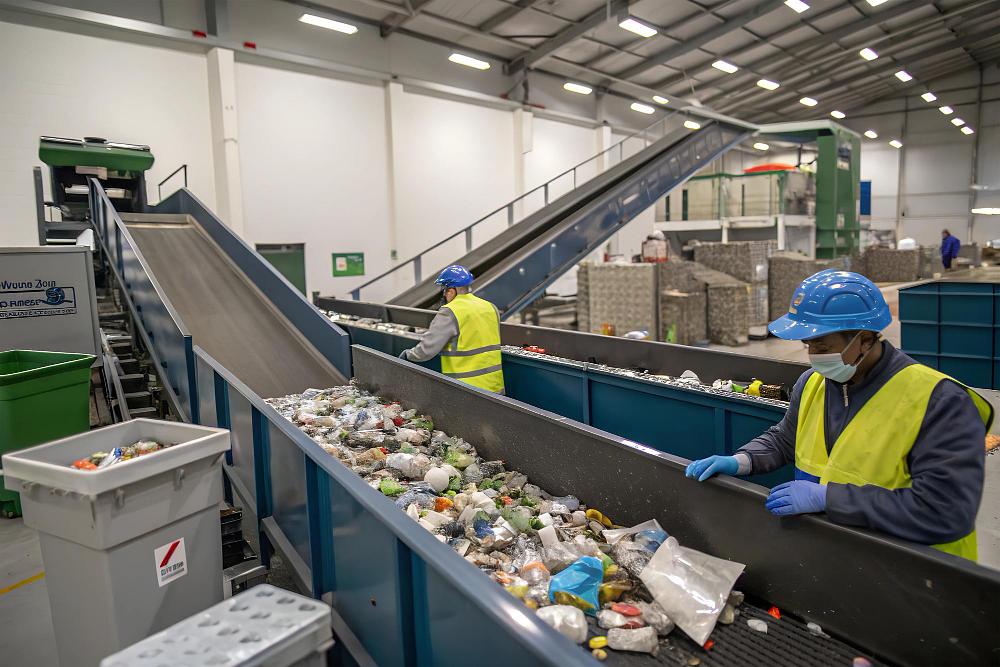
Once collection trucks deliver material to a materials recovery facility, municipal waste recycling moves through a sequence of mechanical and, increasingly, optical sorting steps. Screens separate material by size and shape, magnets pull ferrous metal, eddy current separators remove aluminum, and optical sorters use infrared technology to identify and separate different plastic resins.
What remains after sorting is baled by material type and sold to manufacturers who use it as feedstock for new products. The efficiency of this entire chain determines how much of what residents put in their bins actually gets recycled rather than landfilled.
Common Challenges Municipal Programs Face
Contamination is the most persistent problem facing municipal recycling programs nationwide. Items placed in recycling bins that do not belong there, from plastic bags to food waste to non-recyclable packaging, slow sorting lines and can damage equipment.
Shifting global commodity markets also create financial pressure, since the price paid for sorted material fluctuates and can make programs harder to fund in leaner years.
Aging equipment compounds both problems, since outdated sorting lines struggle to keep pace with modern contamination rates and evolving packaging materials.
Where Municipal and Commercial Systems Intersect
Municipal programs rarely operate in isolation from commercial waste streams. Many facilities process both residential material and commercial waste from local businesses through the same equipment, meaning decisions about capacity and sorting technology affect both sides of the operation.
Working with providers experienced in municipal and commercial installations ensures equipment is sized correctly for combined volume rather than residential collection alone, which is a common oversight when facilities are designed around outdated projections.
Getting Expert Support for Program Improvements
Cities and counties evaluating upgrades to their recycling infrastructure often benefit from outside expertise rather than relying solely on internal public works staff.
Recycling consulting services can assess an existing facility's throughput, contamination rates, and equipment condition, then recommend a realistic upgrade plan that fits the available budget.
This kind of independent review frequently identifies smaller, less expensive fixes, like an added screen or better conveyor layout, that improve performance without requiring an entirely new facility.
The Equipment Behind Every Successful Program
Large sorting lines and balers tend to dominate planning discussions, but a program's real-world performance often comes down to the smaller miscellaneous recycling equipment connecting each stage.
Conveyors, screeners, and magnets keep material moving efficiently between sorting steps, and a poorly placed or undersized piece of supporting equipment can quietly undermine an otherwise well-designed system.
Improve Your Program's Performance
Whether you manage a municipal facility or a combined municipal and commercial operation, our team at US Recycling Equipment can help evaluate your equipment and sorting process. Reach out today to learn more.
FAQs
What is the difference between single-stream and dual-stream recycling?
Single-stream allows all recyclables in one bin and sorts them later at a facility, while dual-stream requires residents to separate paper from containers before pickup.
Why does contamination cause so many problems in municipal programs?
Non-recyclable items mixed into recycling bins slow sorting equipment, lower the value of recovered material, and can damage machinery designed for clean input streams.
How do commodity market swings affect municipal recycling budgets?
When prices for sorted material drop, municipalities earn less from their recovered commodities, which can strain program budgets that were built around higher revenue projections.
Can a municipal facility also process commercial waste?
Yes, many facilities handle both streams through shared equipment, though this requires sizing, sorting and baling capacity for combined volume rather than residential collection alone.
How often should a municipal recycling facility upgrade its equipment?
There is no fixed timeline, but facilities experiencing rising contamination, frequent downtime, or declining recovery rates typically benefit from an equipment and process review sooner rather than later.