


Understanding Dumpster Sizes for Business Use
Published:
Quick Summary
Commercial containers are rated in cubic yards, and both volume and weight limits shape the right choice. Front-load bins from 2 to 8 yards cover everyday trash for offices, shops and restaurants, while 10 to 40-yard roll-offs handle high-volume sites. Compactors pack more waste into each haul, and dividing weekly volume by pickup frequency gives a reliable starting size.
Behind every restaurant, retail store and apartment complex sits a steel container that quietly shapes daily operations. Choose one too small, and overflowing lids invite pests, fines and extra pickups. Choose one too large, and you end up paying to haul empty air to the landfill every single week. Commercial waste equipment follows a predictable range of dumpster sizes, yet the right fit still depends on your waste volume, available space, collection schedule and the material you discard. So how do you know which container truly belongs behind your building?
How Container Capacity Is Measured in Cubic Yards
Every commercial container carries a volume rating, and that rating is expressed in cubic yards. One cubic yard simply equals a cube measuring 3 feet on each side, which works out to 27 cubic feet of space. A 4-yard bin therefore holds roughly 108 cubic feet of material, while a large 40-yard unit holds a full 1,080 cubic feet. Weight deserves equal attention, since dense loads like wet food, concrete or roofing debris can exceed a truck's legal limit long before a container even looks half full. Knowing both numbers keeps monthly hauling costs predictable, avoids overweight fees and protects your equipment from unnecessary mechanical wear.
Front-Load Bins for Everyday Commercial Trash
Most businesses rely on steel front-load containers that a collection truck lifts over its cab with two forks. Standard capacities run 2, 3, 4, 6 and 8 cubic yards, and most share a footprint about 6 feet long. Height and width grow with capacity, so an 8-yard bin stands roughly 6 feet tall while a 2-yard unit sits closer to 3.5 feet. Small offices and boutiques often get by with 2 to 4 yards, while restaurants and grocery stores usually need 6 or 8 yards with several pickups each week. Rear-load containers come in similar sizes and suit narrow alleys where a front-load truck cannot maneuver.
Roll-Off Containers Built for High Volume
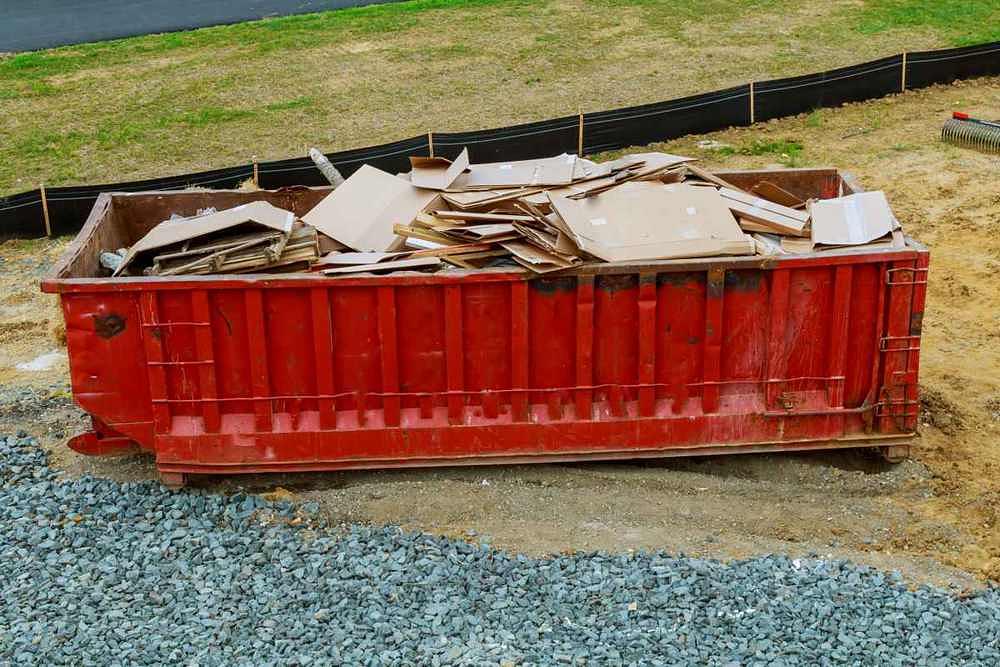
When daily output outgrows a standard bin, an open-top roll-off usually takes over. These long rectangular containers slide onto a hoist truck and typically come in 10, 15, 20, 30 and 40-yard capacities. Nearly all share an 8-foot width and a length near 22 feet for the larger sizes, while height rises from about 4 feet on a 20-yard unit to about 8 feet on a 40-yard. Warehouses, manufacturers and distribution centers often keep a 30 or 40-yard roll-off for bulky packaging, old fixtures and scrap. Paired with a stationary compactor, a receiver box in the same size range holds far more compacted waste between hauls.
When a Compactor Outperforms an Open Container
Hauling charges often depend on how frequently a truck visits, so packing more waste into each load can lower your monthly costs. That simple logic drives busy commercial sites toward compaction. Stationary units push dry waste such as cardboard and packaging into a separate receiver, which makes them a strong fit for retail centers and distribution hubs. Self-contained models combine the ram and container in one sealed body, and they handle wet waste from restaurants, grocery stores and hospitals without leaks. Vertical trash compactors serve apartment buildings and smaller businesses with limited floor space, and every model keeps loose trash away from pests, rain and wind.
Matching Bin Size to Your Pickup Schedule
Picking the right container usually comes down to one simple calculation. Estimate how many cubic yards of waste your site produces each week, then divide that number by the weekly pickups your hauler can schedule. A café generating 12 yards weekly could use a 6-yard bin emptied twice, or a 4-yard bin emptied three times. Seasonal peaks, inventory resets, delivery days and holiday rushes deserve extra room, so careful facility managers often size up one step to avoid overflow. Local codes may also add rules on lid closure, container placement, enclosure screening and clearance from buildings, so check with your city before pouring a new concrete pad.
Choosing the Right Container Setup for Your Site
Right-sizing a container rarely makes headlines at any company, yet it shapes hauling costs, site cleanliness and staff efficiency week after week. A thoughtful choice today prevents years of overflow, wasted pickups and avoidable fines. At US Recycling Equipment, we help businesses and property managers find that fit with new, used and refurbished containers, receiver boxes and compactors available to buy or lease, with rental options for short-term needs. Our team draws on decades of plant operation experience to recommend the right capacity for your waste stream and layout, and our MRF consulting helps larger sites plan containers alongside their sorting and processing equipment. When the equipment arrives, our installation and removal crew sets it in place, connects it and hauls away outdated units so your daily operation keeps moving.
Wondering which size fits your site? Call our Denver team or request a quote, and we'll walk you through the options.
FAQs
What is the most common dumpster size for a small business?
Most small offices, shops and cafés start with a 2, 3 or 4-yard front-load container. These bins fit behind most buildings, hold several days of everyday trash and pair well with one to three pickups per week. Restaurants and grocery stores usually need 6 or 8 yards since food waste and packaging pile up quickly.
How big is a 40-yard roll-off container?
A 40-yard roll-off typically measures about 22 feet long, 8 feet wide and 8 feet tall, giving it roughly 1,080 cubic feet of space. Warehouses, distribution centers and manufacturers use it for bulky packaging, pallets and scrap. When paired with a stationary compactor, a 40-yard receiver can hold far more material between hauls.
Is a compactor better than a regular dumpster?
A compactor usually makes sense when your site fills an open container quickly. Packing waste tighter means fewer pickups, which can lower hauling costs over time. Self-contained models also seal in liquids from food waste, while vertical units save floor space. Smaller sites with light, steady volume often do fine with a standard front-load bin instead.