
Commercial waste disposal plays a central role in how businesses control material flow, manage expenses, and stay aligned with environmental expectations. Companies across industries face growing pressure to handle waste responsibly while maintaining operational efficiency.
A good number of organizations begin evaluating how to buy, lease, or rent the right systems to match their waste output and facility layout. Early decisions often influence long-term costs and productivity.
Some also turn to recycling consulting services to gain clarity on equipment selection, workflow design, and compliance requirements. Others explore general options within miscellaneous recycling equipment to support unique material streams that standard machines cannot handle.
Long-term performance also depends on consistent preventative maintenance, which protects uptime and reduces unexpected disruptions.
What Commercial Waste Disposal Really Involves
Commercial waste disposal goes far beyond removing trash from a facility. It includes the full lifecycle of handling materials from the moment they are discarded to their final destination. Businesses generate a wide range of waste types, including cardboard, plastics, metals, paper, and confidential records.
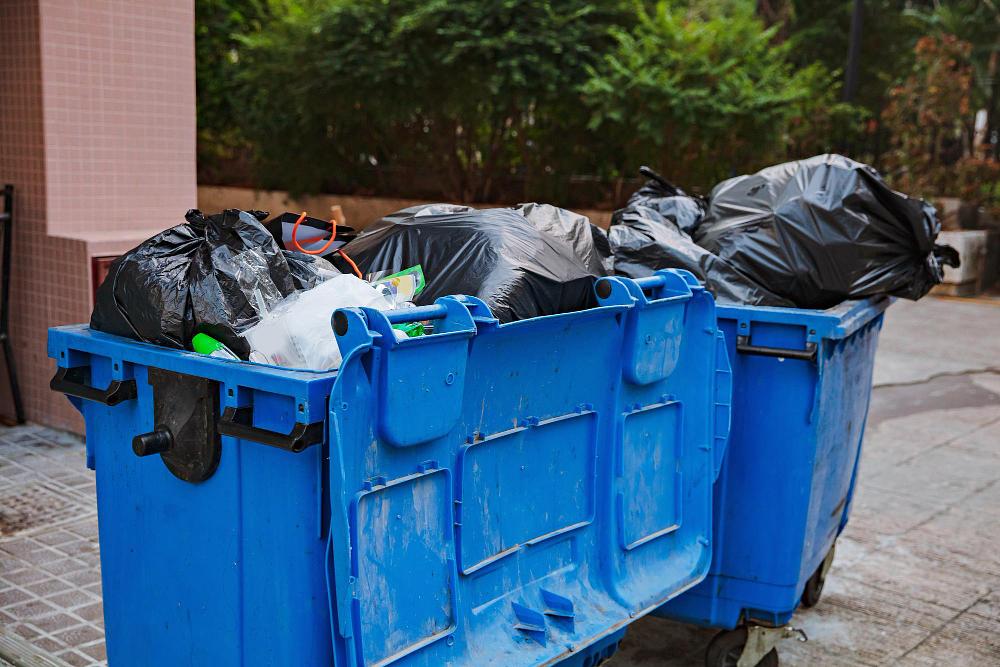
Each material requires proper handling, storage, and processing. Without a structured system, waste quickly becomes disorganized, leading to inefficiencies and higher hauling costs. Overflowing dumpsters, poor sorting practices, and inconsistent pickup schedules create unnecessary expenses and operational friction.
A well-planned disposal strategy improves material separation and allows recyclable items to be recovered instead of being sent to landfills. This shift not only reduces waste volume but also opens opportunities for cost savings and revenue recovery.
The Business Impact of Poor Waste Management
Inefficient waste handling affects more than cleanliness. It directly impacts profitability, safety, and workflow. Facilities that rely on outdated or undersized equipment often deal with bottlenecks that slow down daily operations.
Unmanaged waste piles create safety risks for employees. Cluttered work areas increase the likelihood of accidents, while improperly stored materials can lead to compliance concerns. In industries that handle sensitive information, improper disposal introduces legal risks as well.
Costs also rise quickly when waste is not compacted or processed correctly. Hauling fees increase with volume, meaning businesses pay more to move material that could have been reduced on-site. Over time, these inefficiencies compound into financial strain.
Equipment Solutions That Drive Efficiency
Modern waste systems focus on volume reduction, organization, and easy handling. Balers, compactors, and shredders are instrumental in achieving these goals. Each type of equipment serves a specific function within a commercial waste disposal program.
Balers compress recyclable materials such as cardboard and plastics into dense, manageable bales. This reduces storage space and lowers transportation costs. Compactors minimize general waste volume, allowing facilities to reduce pickup frequency.
Shredders are used for both material size reduction and secure destruction of sensitive documents.
Facilities with specialized waste streams often require additional tools. Equipment that falls outside standard categories can still play an important part in supporting efficiency. Investing in the right combination of machines helps make sure that each material type is handled properly.
Customization Matters in Waste System Design
No two operations generate waste in the same way. A retail distribution center produces vastly different materials compared to a manufacturing plant or office complex. This is why a one-size-fits-all approach rarely delivers strong results.
Custom system design takes into account things like facility layout, material volume, labor availability, and processing goals. Equipment placement, workflow design, and material flow must all line up to create a smooth operation.
Professional guidance helps eliminate guesswork during this process. Instead of selecting equipment based on assumptions, businesses gain insight into what will actually perform well in their environment. This reduces costly mistakes and leads to faster return on investment.
The Value of Equipment Flexibility
Financial flexibility plays a major role in how companies approach equipment acquisition. Some organizations invest upfront, while others look for options that preserve capital.
Choosing to buy, lease, or rent equipment helps businesses match their financial strategy with operational needs. Leasing creates predictable payments and access to newer technology. Purchasing may deliver long-term value for stable operations.
Rental options address short-term demands or seasonal fluctuations.
This flexibility allows businesses to scale their systems without overcommitting resources. It also helps them adapt as operations grow or change over time.
Supporting Long-Term Performance
Equipment performance continues well after installation. Consistent upkeep determines how well machines operate over time. Neglected systems lose efficiency, break down more often, and create costly downtime.
A strong preventative maintenance program keeps equipment operating at peak levels. Regular inspections, part replacements, and system checks reduce the risk of unexpected failures. This proactive approach extends equipment lifespan and protects the initial investment.
Maintenance planning also improves workplace safety. Properly functioning machines operate more reliably and reduce the chance of accidents or malfunctions.
Handling Specialized Waste Streams
Some industries require more advanced solutions due to the nature of their materials. Facilities dealing with electronics, textiles, or mixed recyclables often need equipment that goes beyond standard balers and compactors.
This is where additional tools come into play. Businesses can explore miscellaneous recycling equipment to manage unconventional materials and improve recovery rates. These solutions help close gaps in waste handling processes and create a more complete system.
Specialized equipment also supports sustainability goals by allowing more materials to be diverted from landfills. This meets with growing expectations from customers, partners, and regulatory bodies.
The Importance of Expert Guidance
Designing and maintaining a successful waste disposal program requires experience and industry knowledge. Businesses benefit from working with professionals who recognize the complexities of waste handling systems.
Recycling consulting services bring valuable insight into equipment selection, facility layout, and process optimization. Instead of trial and error, companies gain a clear roadmap to increase efficiency and reduce costs.
Consultants also identify opportunities for stronger material recovery and more effective workflows. This results in more consistent performance across the entire operation without unnecessary guesswork.
Building a Smarter Waste Strategy
Commercial waste disposal is not just about removing unwanted materials. It is about creating a system to support efficiency, safety, and long-term cost control. Businesses that invest in the right equipment and strategy gain a measurable advantage in their operations.
From reducing hauling expenses to improving workflow, a structured approach delivers real results. The combination of proper equipment, thoughtful design, and ongoing support transforms waste from a liability into a manageable process.
Why Businesses Choose US Recycling Equipment
We work directly with companies that need dependable solutions for commercial waste challenges. Our team brings years of hands-on experience in equipment selection, system design, and operational planning.
We focus on helping businesses improve efficiency while controlling long-term costs.
Our offerings include a full range of recycling equipment, from balers and compactors to shredders and specialized systems. We guide clients through every stage of the process, from identifying the right equipment to planning layout and long-term use.
Our experience allows us to recommend solutions that are in keeping with real operational demands, not guesswork.
We also support ongoing performance through service planning and expert insight. Our approach focuses on keeping equipment running smoothly while helping businesses adapt as their needs evolve. Every solution we deliver is built around reliability, efficiency, and measurable results.
If you have any questions about US Recycling Equipment or want to explore the right solution for your operation, please reach out to us today.